

Quick Read
- Alan Carr’s Edinburgh-area comedy shows sold out in under two minutes.
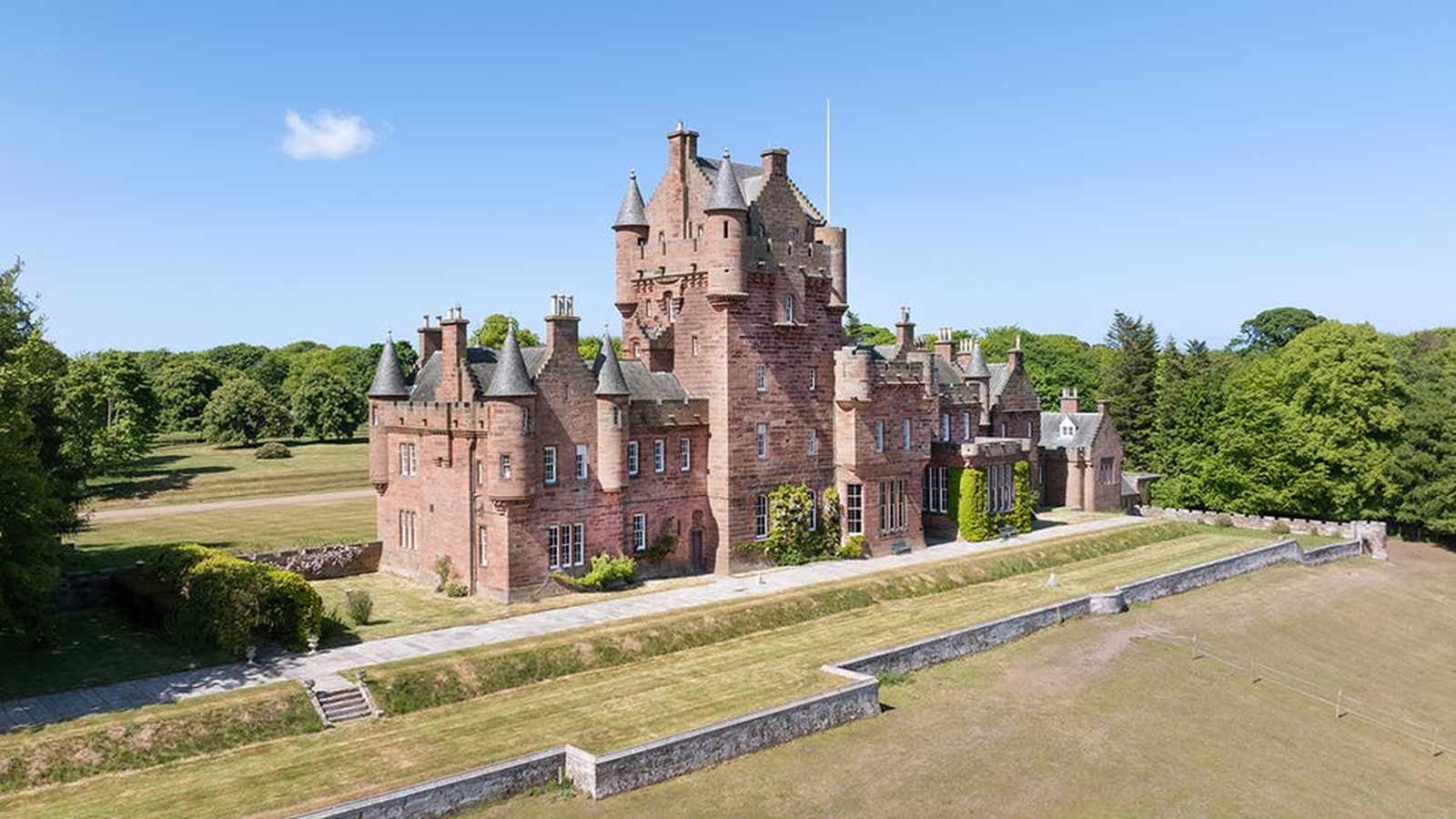
- The comedian purchased the 17-bedroom Ayton Castle for his primary residence.
- The production of the Disney+ series ‘Castle Man’ will employ a 20-person crew locally.
The Economic and Cultural Impact of Celebrity Relocation
The recent purchase of the 17-bedroom Ayton Castle in Berwickshire by comedian and Celebrity Traitors winner Alan Carr has moved beyond simple real estate news, evolving into a significant driver of local economic and cultural activity in the Scottish Borders. The comedian’s decision to establish the historic site as his primary residence has already yielded tangible results, marked by the rapid sell-out of intimate “work-in-progress” comedy shows in Galashiels and Glenrothes.
Tickets for the June 18 performance at the 150-seat MacArts venue in Galashiels were exhausted within two minutes of the 10 a.m. release. With over 800 prospective buyers reported in the digital queue, the intensity of demand highlights the significant “celebrity effect” that rural venues can experience when high-profile figures integrate into local circuits. Venue management at MacArts, which previously hosted high-profile acts, noted that the sudden influx of interest could signify a long-term partnership with the artist, potentially stabilizing regional live entertainment revenues.
Production Infrastructure and Local Investment
Beyond the stage, the logistical footprint of Carr’s projects is substantial. Administrative records from the Ayton Community Council confirm that the production of his upcoming Disney+ series, Castle Man, involves an eight-episode run supported by a 20-person production crew. This influx of personnel is expected to provide a localized stimulus, with the production team actively seeking to utilize local suppliers. Trevor Smith, Secretary of the Ayton Community Council, emphasized that the community views the acquisition positively, specifically citing hopes that the increased visibility will help revitalize local infrastructure, including the village pub which has remained closed for over a year.
The Intersection of Celebrity and Authenticity
The broader context of Carr’s recent activity aligns with a wider trend of comedians leveraging personal narratives to engage with their audience. This shift toward authenticity is shared by contemporaries such as Suzi Ruffell, whose own career trajectory—marked by professional milestones alongside Carr—emphasizes the importance of personal vulnerability in modern comedy. While Ruffell’s career has focused on navigating anxiety and identity, Carr’s current pivot toward a “castle life” narrative offers a different form of engagement, inviting the public into his domestic space for private functions and events. This transparency appears to be a deliberate strategy to foster a deeper, more direct relationship with his audience, transcending the traditional barrier between performer and spectator.
The strategic move of a high-profile media personality into a remote region like the Scottish Borders acts as a catalyst for both commercial and social revitalization. By integrating his professional production needs with the local economy, Carr is effectively creating a micro-ecosystem that benefits regional service providers. As digital ticket queues and community council minutes demonstrate, the intersection of celebrity lifestyle and rural development requires careful management to ensure that the influx of interest translates into sustainable, long-term economic growth rather than fleeting cultural tourism.