


Trump’s Gold Card Visa: A New Gateway for the Wealthy
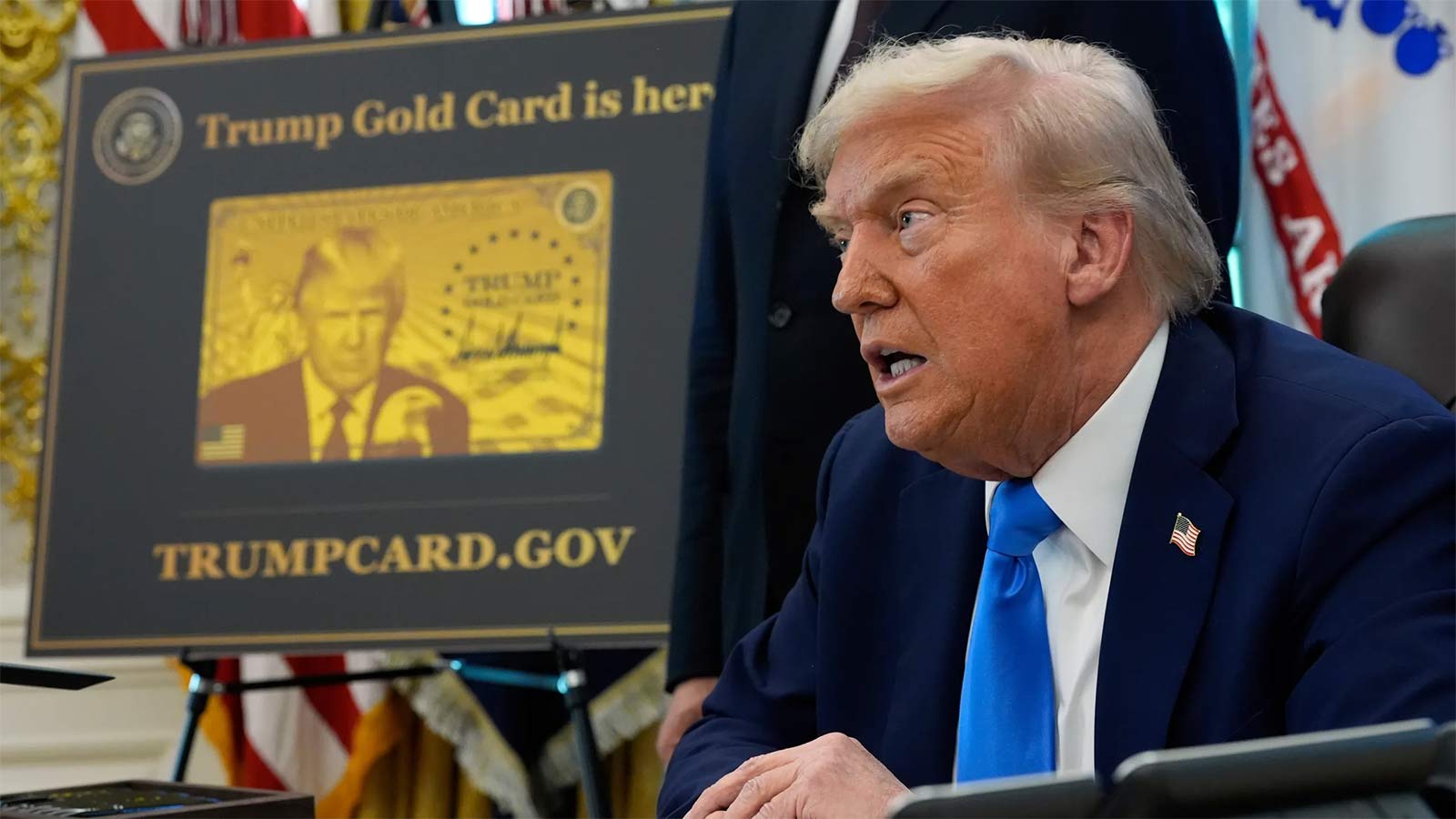
On December 10, 2025, President Donald Trump unveiled a new immigration initiative: the Trump Gold Card visa. This program, announced on Truth Social and further detailed in a White House roundtable, offers a direct route to U.S. citizenship for “qualified and vetted” applicants—provided they’re willing to pay a hefty price tag. The move marks a dramatic shift in American immigration policy, placing financial investment at the heart of eligibility.
How the Gold Card Visa Works
According to official statements and documentation reviewed by Newsweek, The Guardian, and CBSAustin, the Trump Gold Card is designed to attract substantial foreign investment and retain highly skilled workers. Individual applicants must donate $1 million to the U.S. Treasury, plus a non-refundable $15,000 processing fee. Corporations wishing to sponsor an employee face an even steeper requirement: a $2 million contribution, along with a 1% annual maintenance fee ($20,000) and a 5% transfer fee ($100,000) if switching the visa to a new employee. All applicants undergo rigorous vetting by the Department of Homeland Security, including background checks, with promises of “the best vetting that’s ever been done.”
Those who qualify receive a fast-tracked EB-1 or EB-2 visa—traditionally reserved for those with extraordinary abilities, such as renowned scientists, artists, or business leaders. The Gold Card grants permanent residency and, after five years, a pathway to citizenship. But, as the official website notes, simply paying the fee doesn’t guarantee entry; applicants must meet all legal requirements and be eligible for permanent status. Holders are subject to U.S. taxes, visa revocation for rule violations, and all standard immigration laws.
The Platinum Card: Even More Exclusive
Trump’s announcement also teased a future “Platinum Card” tier. For $5 million, individuals would be allowed to spend up to 270 days a year in the U.S. without being taxed on foreign income. This option, not yet available, is aimed at ultra-wealthy global citizens seeking flexibility without tax burdens. Applicants can join a waitlist as details are finalized.
Rationale and Reactions: Investment vs. Merit
President Trump and Commerce Secretary Howard Lutnick have repeatedly framed the Gold Card as a win-win: America receives significant financial contributions and companies retain top talent, especially foreign graduates from U.S. universities. “It’s a gift of getting somebody great coming into our country,” Trump said. “Companies are going to be happy.” Lutnick echoed this, emphasizing the rigorous vetting and the opportunity for corporations to sponsor their most valuable employees.
Yet the program has ignited controversy. Critics argue that it undermines the traditional image of the U.S. as a haven for the hardworking and ambitious—not just the rich. The Guardian reports that the initiative appears to contradict the administration’s simultaneous crackdown on undocumented immigrants and tighter student visa policies. By prioritizing wealth over other factors, skeptics fear America’s immigration system will shift toward a “pay-to-play” model, favoring those with deep pockets over genuine merit.
Global Competition and Economic Impact
The Gold Card is not unique in the world of immigration; similar “golden visa” schemes exist in countries like New Zealand, which charges nearly $3 million for residency. Trump’s program, initially rumored to cost $5 million, has been discounted to $1 million for individuals, potentially making it more attractive compared to international competitors. The administration claims the program will generate “many billions of dollars” for the U.S., with proceeds earmarked for positive national projects.
Business leaders, including tech giants like Apple, have expressed support for the policy, seeing it as a solution to retaining foreign talent educated in American universities. The program aims to resolve the longstanding issue where skilled graduates are forced to return to their home countries due to visa restrictions, causing a “brain drain” that disadvantages U.S. companies.
Application Process and Next Steps
The government has launched an official website for the Gold and Platinum cards. Interested parties can now register for the Gold Card, while the Platinum Card remains in development. Applicants must submit their financial contributions and undergo comprehensive vetting before gaining residency rights. The timeline for approval is described as “record time,” though specifics remain to be seen as the program scales up.
Under current immigration law, Gold Card recipients become EB-1 or EB-2 visa holders, with all associated rights and responsibilities. Any violation of Department of Homeland Security rules—such as posing a national security risk—can result in immediate revocation.
Debate Over America’s Immigration Future
The Trump Gold Card visa program arrives at a pivotal moment in U.S. immigration history. With the administration simultaneously pushing aggressive deportation policies and restricting lower-income immigration avenues, the Gold Card stands out as an exception for the wealthy. Supporters hail it as an innovative way to boost the economy and retain talent, while detractors warn it risks transforming the nation’s values and reputation.
The conversation now shifts to Congress and the courts. Legal experts question whether such a sweeping change should bypass legislative approval, and whether the financial requirements are fair or sustainable. As applications open, the Gold Card will test not only America’s appetite for investment-driven immigration, but also its commitment to balancing economic interests with the ideals of opportunity and fairness.
The Trump Gold Card program represents a bold—and controversial—reimagining of U.S. immigration, trading open doors for open wallets. As the nation weighs the benefits of economic influx against the principles of merit and inclusivity, the coming months will reveal whether this new path will reshape the American dream or simply redraw its boundaries.