


Intelligence Assessment and Official Response
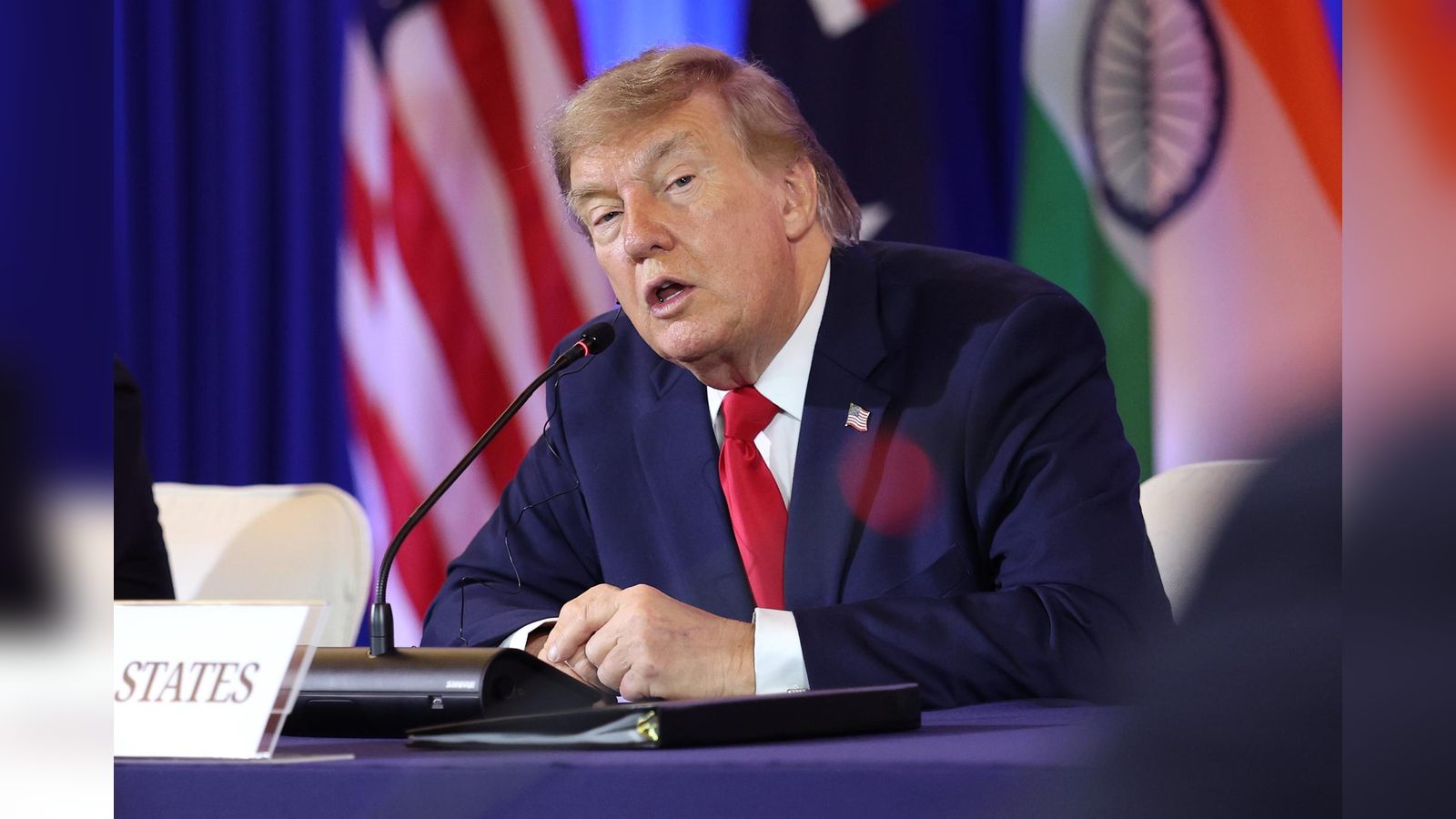
President Donald Trump confirmed on November 17, 2026, that the United States is treating reports of a potential Iranian plot to detonate a “dirty bomb” in Washington, D.C., with extreme gravity. Speaking while in the Philippines for the ASEAN summit, the president addressed concerns that Tehran may be developing contingencies to target U.S. officials, stating that if the intelligence proves accurate, Iran “will pay a price the likes of which no country has ever paid before.” This assertion underscores the administration’s hardline stance, which has characterized the ongoing geopolitical friction between Washington and Tehran throughout the year.
The White House has simultaneously sought to maintain public calm amidst a flurry of media speculation. Spokesperson Lauren Bis emphasized to The Independent that while the administration is “vigilant monitoring any and all potential threats,” there are currently “no credible threats to the homeland.” This dual approach—acknowledging the seriousness of specific intelligence while downplaying the risk of an imminent attack—reflects a high-stakes balancing act within the national security apparatus. The administration is tasked with addressing public anxiety while preventing a broader panic, even as it engages in what officials describe as “prudent” contingency planning.
The Nature of the Intelligence
The reports, which first emerged via intelligence officials speaking to CNN, suggest that Iran has explored options for deploying a radiological dispersal device, or “dirty bomb.” These devices, which package radioactive material with conventional explosives, are designed as weapons of terror rather than precision tools, capable of rendering localized areas uninhabitable. While some officials cited in the reporting expressed skepticism regarding the regime’s current capability to execute such a plan, all agreed that Tehran’s incentive to act has increased following the military conflict designated as “Operation Epic Fury.”
The intelligence indicates that Iran may have already smuggled bomb-making materials onto U.S. soil, potentially intending to recruit individuals already within the country to assemble the device, rather than relying on external operatives. Tehran has categorically denied these allegations. A spokesperson for the Iranian Mission to the United Nations labeled the reports as “false and fabricated,” claiming the allegations are an attempt to manufacture a veneer of legitimacy for further aggression. Iranian Foreign Ministry spokesman Esmaeil Baqaei similarly dismissed the claims on social media, describing them as a “fabricated media narrative.”
Legislative and Security Challenges
The current security environment is complicated by a legislative impasse in Congress regarding the reauthorization of Section 702 of the Foreign Intelligence Surveillance Act (FISA). This law provides critical authority for U.S. officials to monitor foreign communications. Attorney General Todd Blanche, Director of National Intelligence Jay Clayton, and CIA Director John Ratcliffe have formally urged lawmakers to renew the provision, warning that any delay risks the lives of Americans and troops abroad. The debate over this surveillance tool has become a focal point for critics who argue that internal political disputes are hindering the government’s ability to intercept sophisticated terrorist plotting.
The intelligence community remains divided on the operational feasibility of the reported plot. While some sources suggest the intelligence is highly specific regarding targets and locations, others remain doubtful that the regime possesses the necessary personnel on the ground to execute an attack. Nevertheless, the consensus remains that the threat, while currently non-imminent, represents a significant escalation in the asymmetric risks posed by the ongoing conflict.
Geopolitical Context and Strategic Stakes
The threat assessment must be viewed through the lens of the broader U.S.-Iran conflict. President Trump has maintained that the war, initiated on February 28, is “effectively over,” yet the administration continues to enforce an economically ruinous blockade of Iranian ports. This policy is intended to pressure Tehran into abandoning its nuclear program. The “dirty bomb” reports have surfaced during a sensitive period of diplomatic engagement, with the president meeting leaders from Australia, India, and Japan at the ASEAN summit to discuss regional security architecture.
For the American public, the news has caused palpable disquiet. Social media platforms were flooded with expressions of concern, with some residents debating whether to leave the capital, while others questioned the credibility of the intelligence sources. The White House’s insistence that there is no imminent threat is designed to counter this atmosphere of instability. A U.S. official, speaking on the condition of anonymity, sought to frame the situation within the context of recent military successes, stating that Iran is a “failed country, weaker than ever before” following the destruction of its navy and defense industrial base during the recent military campaign.
Moving forward, the administration’s strategy hinges on two fronts: the internal legislative battle to secure surveillance authorities and the external diplomatic and military pressure applied to Tehran. The “dirty bomb” plot serves as a stark reminder of the evolving nature of modern warfare, where the potential for radiological terrorism is increasingly prioritized alongside traditional military concerns. As the Office of the Director of National Intelligence continues to review the incoming data, the administration remains under immense pressure to validate the threat without inadvertently destabilizing the domestic security environment it is tasked with protecting.
Reporting source: independent.co.uk.