


A Fragile Truce Under Pressure
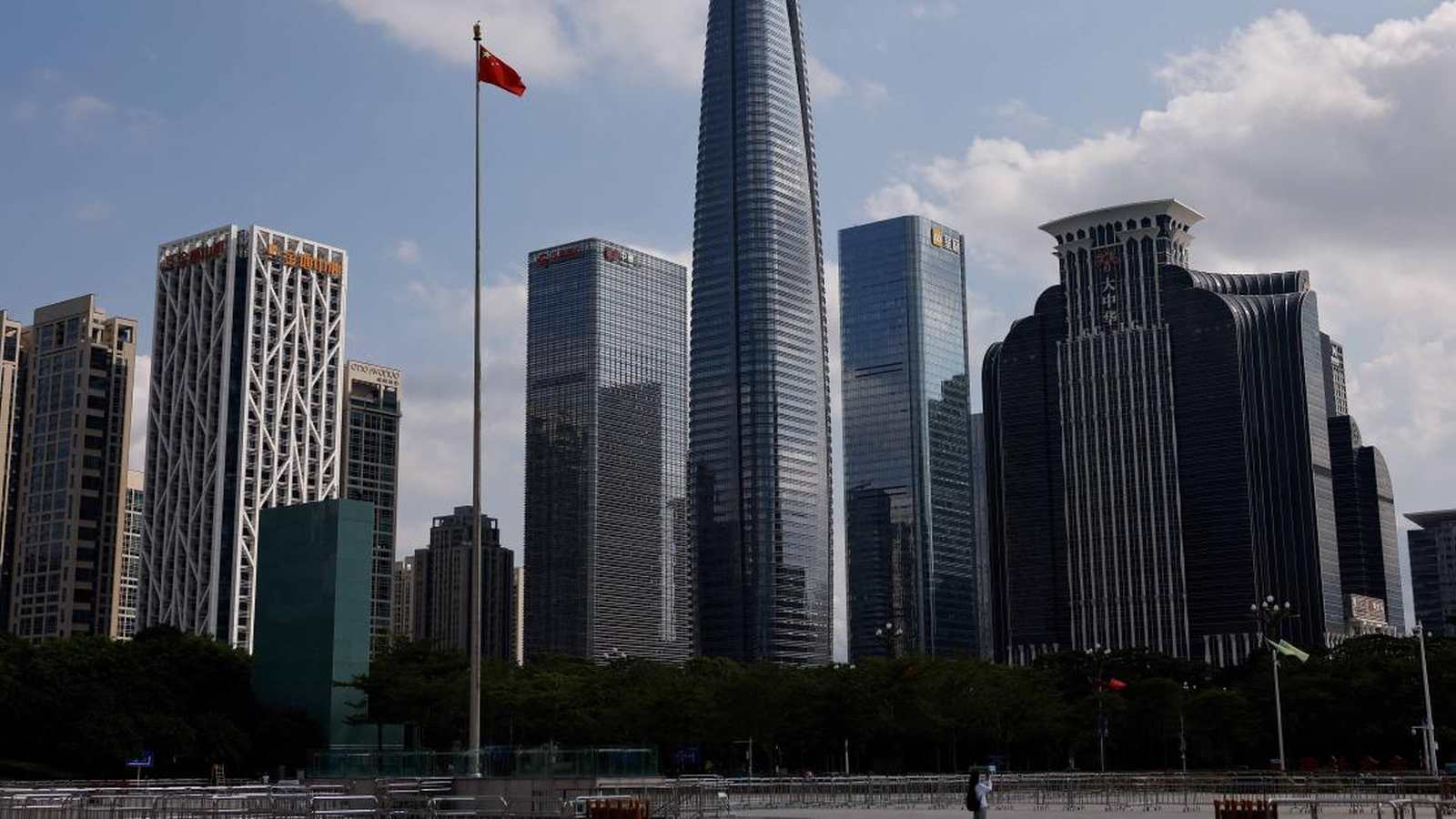
As U.S. President Donald Trump prepares for the upcoming Asia-Pacific Economic Cooperation (APEC) summit in Shenzhen, the “constructive strategic stability” between Washington and Beijing is showing clear signs of fracture. The bilateral relationship, currently anchored by a truce established in Busan, South Korea, in 2025, faces critical tests as the agreement approaches its January 2027 expiration date. According to reporting by Foreign Affairs, the current détente, characterized by U.S. restraint and Chinese strategic maneuvering, is increasingly viewed by both capitals as a tactical intermission rather than a durable peace.
Following the 2025 trade war, during which the U.S. raised tariffs to 140 percent and China responded with rare-earth export restrictions, the Busan deal provided a temporary respite. Under the agreement, the U.S. capped tariffs at 12.5 percent and suspended the “Affiliates Rule” export controls. In exchange, Beijing halted new mineral export curbs. However, as the January deadline nears, the lack of follow-up summits for next year and rising domestic pressure in the U.S. suggest that the window for extending this framework is closing rapidly. President Trump and Chinese leader Xi Jinping are scheduled to meet in Shenzhen, followed by a subsequent session in Miami in December, representing the final high-level opportunities to solidify the expiring truce.
Strategic Divergence and Miscalculation
The Trump administration’s recent approach has been notably accommodating, marked by a pause in adding Chinese firms to the Entity List and a reduction in naval transits through the Taiwan Strait. While Washington’s posture has aimed to lower the temperature, Beijing has interpreted this restraint as a sign of U.S. weakness. Chinese analysts and scholars, including those from the Shanghai Institutes for International Studies, have characterized the current state as a “tactical truce.” As noted by Foreign Affairs, Beijing’s leadership believes this period has been won through “arduous striving and struggle” rather than U.S. goodwill, and is using the time to solidify industrial and technological gains. Beijing has notably throttled the supply of rare-earth minerals and magnets to the United States, providing only roughly two-thirds of the promised volume, which has forced some American suppliers to suspend production.
The stakes are amplified by shifting political currents within the United States. An incoming Democratic Congress is expected to challenge President Trump’s conciliatory policy, potentially forcing a more confrontational stance. Furthermore, recent revelations regarding export control influence—specifically involving Nvidia co-founder Jensen Huang—have triggered calls for stricter oversight, which could provoke immediate retaliation from Beijing. The reliance on China’s supply of rare-earth minerals and magnets remains a persistent leverage point that Beijing continues to manipulate to ensure its industrial objectives remain shielded from U.S. influence. Beijing has implemented measures such as State Council Orders 834 and 835 to prevent the flight of capital and technological know-how, and it continues to enforce exit bans on talent in sensitive sectors.
The Path Toward Potential Confrontation
The upcoming meetings in Shenzhen and a follow-up session in Miami in December represent the final opportunities for the two leaders to solidify the truce. However, the prevailing sentiment among Chinese foreign policy experts suggests that Beijing is preparing for a “final showdown.” Whether this concerns Taiwan or a renewed trade conflict, the current stability is increasingly viewed as unsustainable. If the Busan agreement is allowed to expire without a replacement, the structural pressures that defined the 2025 crisis are expected to resurface, likely with heightened intensity. As the U.S. shifts its focus toward other global security challenges, the lack of a robust, long-term framework with China leaves both powers increasingly prone to miscalculation in the coming year.
Beijing’s recent assertiveness in the South China Sea, including incidents involving the Philippines, and its continued coercion campaigns against Japan, indicate a calculated shift in strategy. By leveraging the current “breathing room,” China has advanced its territorial and industrial objectives while betting that a distracted Washington will prioritize the maintenance of the détente over responding to individual provocations. However, this strategy carries significant risk. As American officials become increasingly frustrated with China’s non-compliance regarding rare-earth licenses and the potential for new export control rules, the political consensus in Washington is tilting back toward confrontation. The expiration of the Busan agreement on January 10, 2027, looms as a critical inflection point where the existing “constructive strategic stability” may give way to a renewed cycle of economic and geopolitical friction.
Ultimately, the current state of U.S.-China relations is defined by a fundamental gap in perception. While Washington sought a sustainable de-escalation, Beijing views the pause as a temporary tactical necessity to build long-term leverage. With no summits planned for 2027 and the looming shift in the U.S. legislative landscape, both nations are approaching a period of high volatility. The failure to address core grievances—specifically regarding industrial supply chains and military transparency—suggests that the current détente is increasingly fragile and prone to sudden collapse.