


Diplomatic Pivot Amidst Domestic Turmoil
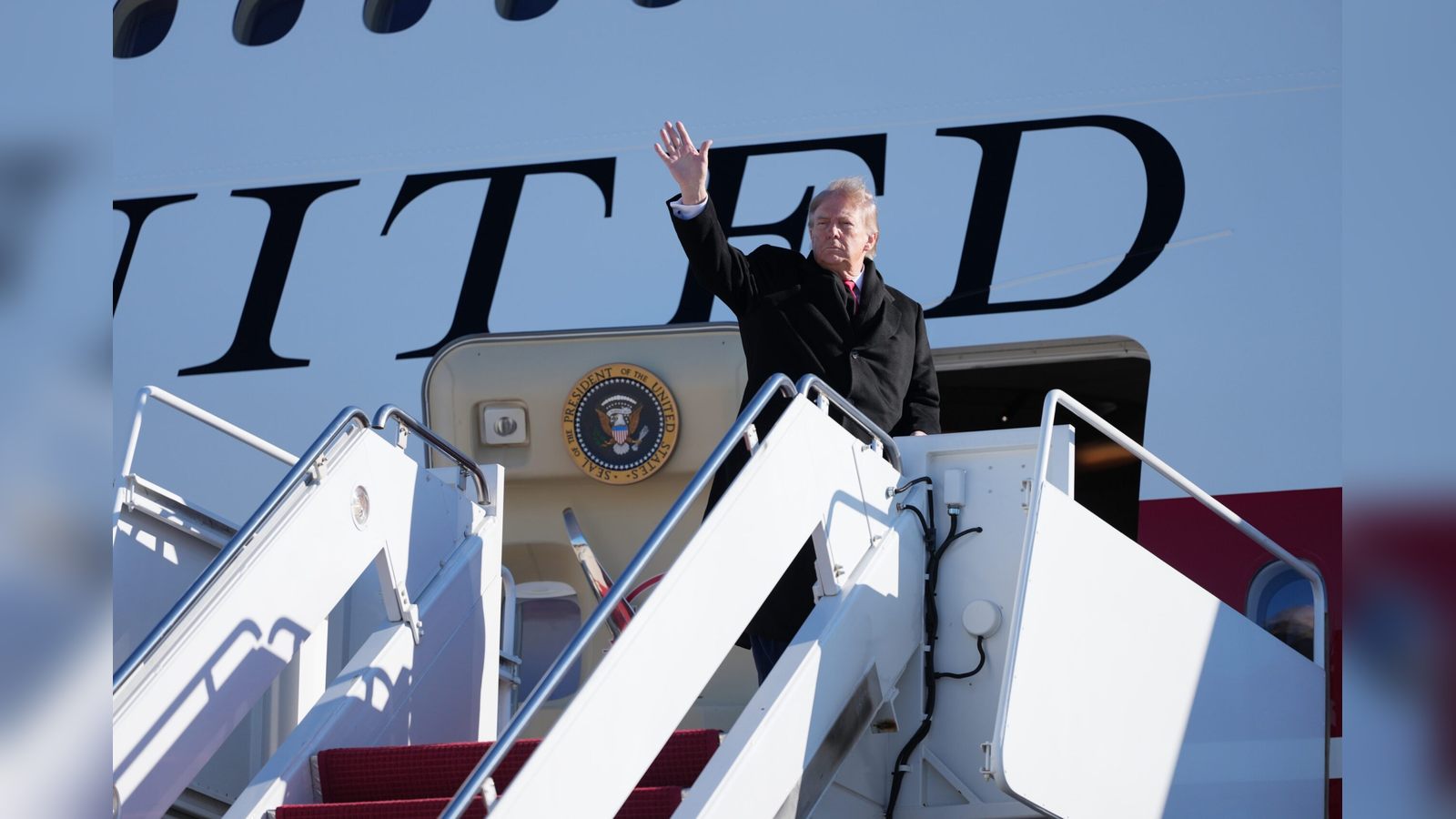
President Donald Trump arrived in Manila, Philippines, on November 17, 2026, marking the commencement of a high-stakes three-day diplomatic tour across Asia. This visit serves as a strategic attempt to solidify regional alliances and secure economic concessions while the administration faces significant political and industrial headwinds back in Washington. The trip represents Trump’s first international travel since his party sustained major losses in the recent midterm elections, a development that has effectively constrained his domestic policy agenda and prompted a pivot toward international stagecraft.
The President’s arrival comes as his administration grapples with a cascade of controversies. Domestically, the U.S. aviation sector and major financial institutions have faced widespread service disruptions, while a separate scandal involving the departure of Nvidia’s Jensen Huang—following his admission of an affair with an alleged Chinese government agent—has shaken the global artificial intelligence industry. Despite these challenges, Trump has sought to project stability, dismissing concerns regarding infrastructure outages at the Federal Aviation Administration and banking platforms like JPMorgan Chase as inevitable occurrences for a nation of significant power, as reported by WTOP. The President remains under pressure to address reports of potential security threats, including an alleged Iranian plan to target Washington, a scenario he described with characteristic intensity: “If there is, they will pay a price the likes of which no country has ever paid before.”
Quad Cooperation and Strategic Realignment
Following his arrival, Trump met with leaders of the Quad—comprising the United States, Australia, India, and Japan. This gathering marks the first meeting of the group in two years, and represents a key effort by the administration to reaffirm its commitment to counteracting China’s influence in the Asia-Pacific region. Trump, who was greeted on the tarmac by local performers, emphasized the personal nature of these diplomatic ties, describing leaders like Narendra Modi and Sanae Takaichi as “phenomenal people” and “friends.” The President announced that the Quad would initiate a new maritime patrol aircraft exercise and launch an accelerator program designed to expedite the development of artificial intelligence, underscoring a pivot toward technology-driven security cooperation.
Trade remains a central pillar of the tour. The President is scheduled to finalize a trade agreement with Thailand, aiming to build upon the administration’s aggressive tariff-based economic strategy. This follows a volatile period in U.S.-Thai trade relations, characterized by shifting tariff policies—including a 19% levy overturned by the Supreme Court in February and a subsequent 12.5% tax implemented in July due to concerns over forced labor practices. The current deal aims to address agricultural and automotive market access, with Thailand expected to commit to significant purchases of U.S. aircraft and liquefied natural gas, as the U.S. looks to maintain its position as a primary export market for the Southeast Asian nation.
Regional Security and the ASEAN Summit
Trump’s visit to Manila includes participation in the annual Association of Southeast Asian Nations (ASEAN) summit. The summit is a focal point for regional discussions regarding the South China Sea, where Beijing asserts near-total territorial claims. Washington continues to reject these expansive claims, maintaining a formal obligation to defend the Philippines against armed attacks. These discussions are set to take place against a backdrop of significant local dissent; approximately 1,500 protesters gathered in downtown Manila to demonstrate against U.S. influence, highlighting the complex political landscape the administration must navigate. Protesters, waving red flags and calling for an independent foreign policy, underscored the friction inherent in the Philippines’ role as a U.S. treaty ally.
Looking ahead, Trump is scheduled to receive full military honors from Philippine President Ferdinand Marcos Jr. on Wednesday at the Malacanang presidential palace. The visit may also include a reunion with Imelda Marcos, reflecting the President’s emphasis on personal diplomacy and historical ties. The Philippine ambassador to Washington, Jose Manuel Romualdez, has noted that such personal connections remain a high priority for the President. Beyond the bilateral agenda in Manila, the diplomatic stakes rise significantly as the tour progresses. Following his time in the Philippines, Trump is expected to travel to Shenzhen, China, where he will engage in historic trilateral nuclear discussions with President Xi Jinping and President Vladimir Putin. There remains speculation regarding the potential inclusion of North Korean leader Kim Jong Un in these talks. This sequence of meetings is critical for the administration’s effort to restore international standing and manage regional tensions that have escalated significantly over the past year, serving as a buffer against the domestic crises currently defining the U.S. political landscape.
Navigating Global Instability
As the administration navigates this tour, the contrast between domestic struggle and international projection is stark. While the stock market and White House have been rattled by industrial shifts and AI-related scandals, the President’s focus on the “Quad” and the ASEAN summit aims to demonstrate that the United States remains the primary architect of security in the Indo-Pacific. The meeting with Xi and Putin in China represents the culmination of this strategy, intended to signal that, despite midterm setbacks, the U.S. retains the ability to shape global outcomes. The success of these meetings will likely determine whether the administration can effectively pivot away from its current domestic malaise and redefine its foreign policy legacy in the final years of the term.