


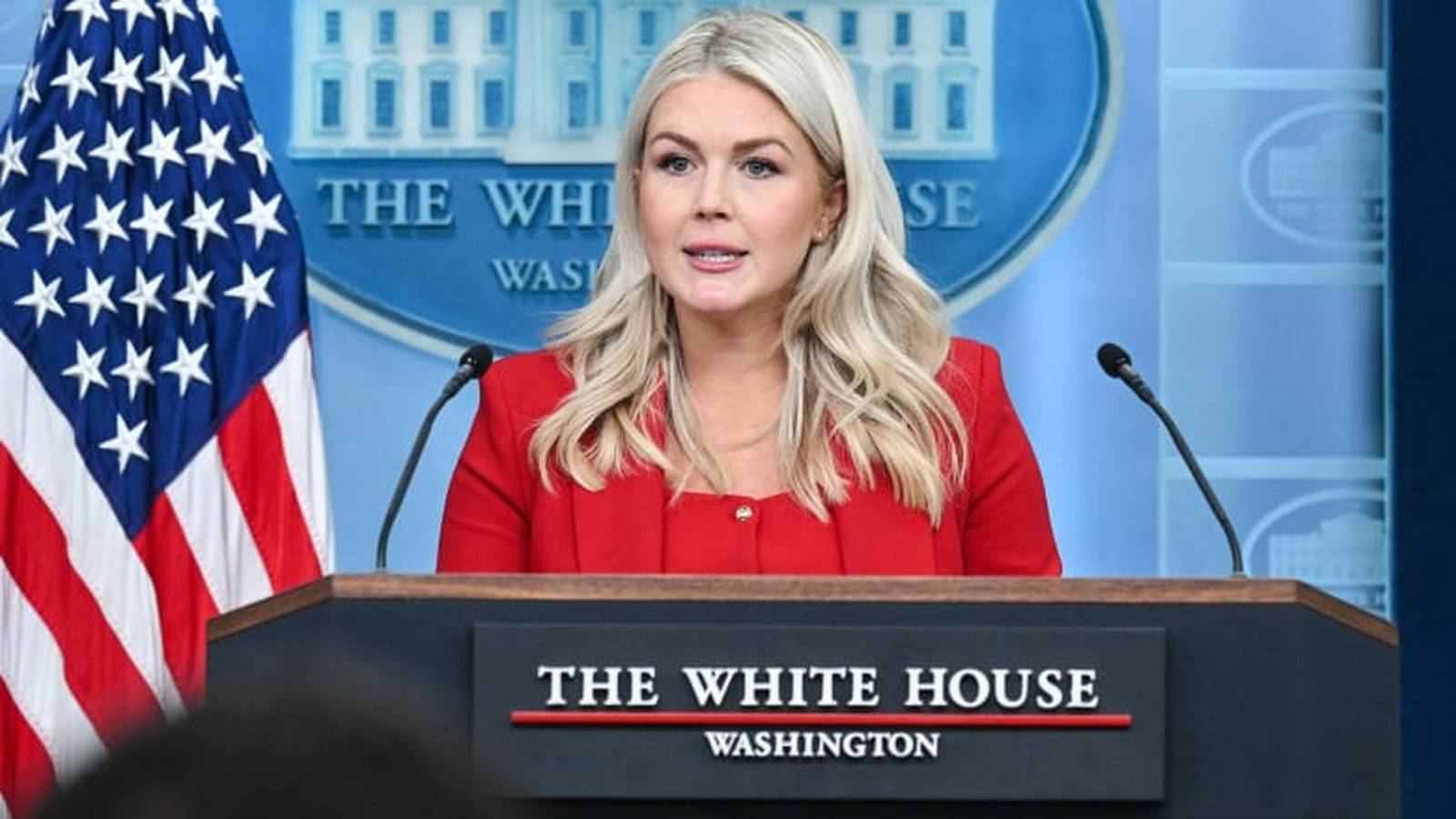
Transition at the Podium
White House press secretary Karoline Leavitt, the youngest individual to hold the position in U.S. history, is set to depart her role at the end of August. Her exit marks the latest in a series of high-profile departures from the Trump administration, occurring as the President reshapes his inner circle amidst a complex legislative and geopolitical landscape.
A senior administration official confirmed that while President Donald Trump intends to appoint a permanent replacement, there is no immediate urgency to do so. The administration is reportedly weighing the potential impact of the upcoming November midterm elections on the future contours of the role, suggesting that a formal announcement may be delayed until the political climate stabilizes post-midterms.
Interim Strategy
In the interim, the White House is expected to continue utilizing a rotation of high-ranking administration officials to handle press briefings. This “guest star” approach has previously seen figures such as Vice President JD Vance and Secretary of State Marco Rubio stepping behind the podium. This strategy allows the administration to maintain messaging control while bypassing the need for a permanent, dedicated spokesperson during a period of strategic transition.
Leavitt’s departure is the fifth exit of a prominent woman from the administration this year, following the departures of figures like former Attorney General Pam Bondi and former intelligence director Tulsi Gabbard. These vacancies have largely been filled by male appointees, a trend that has drawn attention to the evolving composition of the executive branch’s senior leadership.
Political and Operational Context
The timing of Leavitt’s exit coincides with a broader period of institutional reassessment within the Trump White House. The administration is currently navigating significant challenges, including the ongoing war with Iran—which has strained military resources and morale—and a legislative push to make daylight saving time permanent. The lack of a permanent press secretary reflects a broader preference for flexibility within the West Wing as the administration approaches the midterm cycle.
Furthermore, the administration’s approach to transparency and communication remains a subject of intense scrutiny. Recent debates regarding the “duty to warn” staff and press following the use of decoy flights have underscored tensions between security protocols and public information standards. As the White House navigates these pressures, the role of the press secretary remains a critical, albeit temporarily vacant, component of the administration’s public-facing operation.