


Escalation in the Middle East
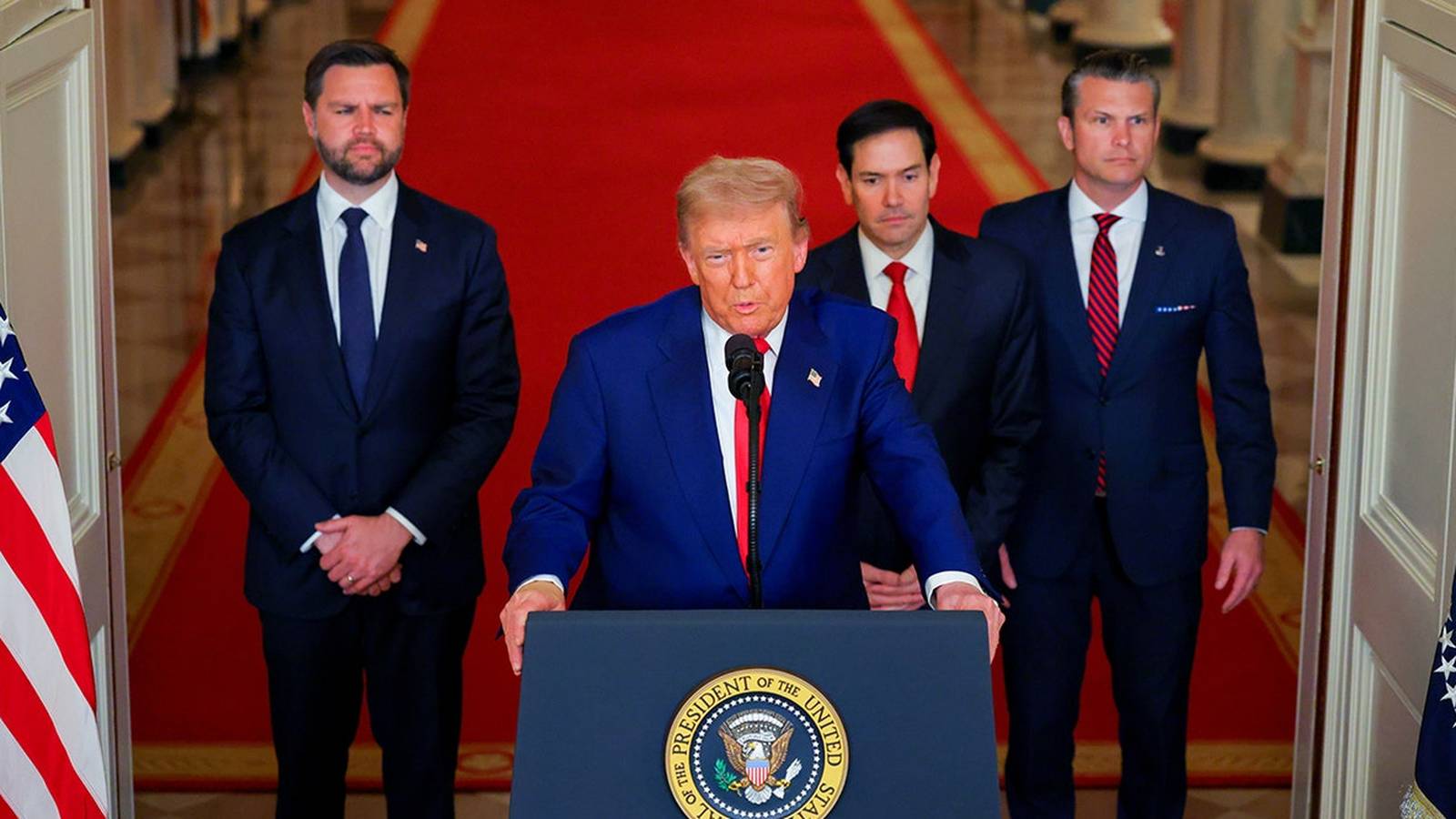
United States President Donald Trump has pledged a significant escalation against Iran following renewed attacks on US military sites in the Middle East. The president’s comments, delivered in an interview with Fox News on Wednesday, came just one day after Iran’s Islamic Revolutionary Guard Corps (IRGC) targeted US forces stationed at an airbase and a Central Command (CENTCOM) facility in Jordan.
During the interview, Trump used forceful language to describe the forthcoming US response. “They know it’s coming,” the president stated, confirming that the administration plans to retaliate for the overnight strikes. “It’s our turn, and we’ll see if we get there with an agreement at some point. But we’re going to hit them very hard.”
The Conflict Context
The latest strikes mark a volatile turn in a five-month-long conflict that has seen repeated cycles of violence and brief, fragile pauses. A memorandum of understanding (MoU) that established a ceasefire last month collapsed in early July, ending a brief period of relative stability. CENTCOM officials reported that while the recent attack involved ballistic missiles, all projectiles were successfully intercepted, and US forces remain in a high state of readiness.
The situation remains precarious. Since the conflict began in February, at least 18 American soldiers have been killed, including three who died in a July 17 attack at an airbase in Jordan. Experts warn that despite the US’s clear military superiority, Iran continues to demonstrate a capability for grinding, asymmetrical warfare that challenges American logistical and defensive resources, specifically citing concerns over the diminishing supply of air defense interceptors.
Diplomatic and Political Stakes
The escalation follows a high-level meeting between President Trump and Israeli Prime Minister Benjamin Netanyahu at the White House on Tuesday. While the White House described the encounter as “productive,” reports suggest a divergence in strategy between the two allies. Israel has pushed for a more aggressive stance with the stated aim of regime change in Tehran, whereas the Trump administration has frequently alternated between threats of massive force and attempts to frame limited military actions as strategic victories.
Domestically, the conflict faces increasing scrutiny. A Quinnipiac University poll released Wednesday indicated that only 34 percent of US voters support military action against Iran—the lowest level of support since the war began. Concerns are mounting among the public and political factions over the economic fallout of the conflict, particularly regarding rising fuel prices linked to the closure of the Strait of Hormuz and the overall costs of a protracted regional engagement.