


The Escalation of Race Discipline
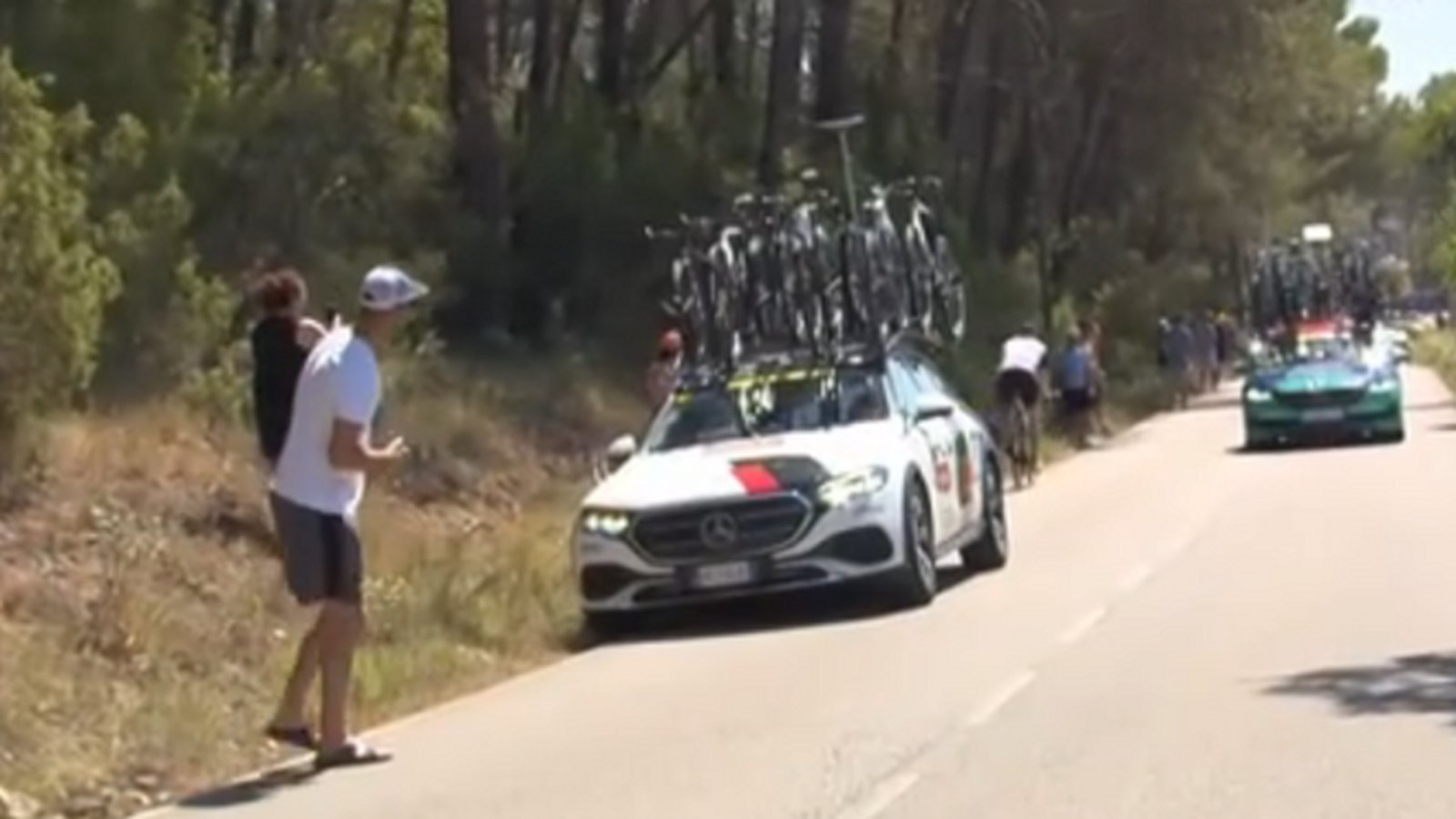
The 2026 Tour de France has seen a significant tightening of race-day discipline, underscored by the issuance of the race’s first yellow card to UAE Team Emirates-XRG mechanic Bostian Kavcnik. During Stage 2, the race jury penalized Kavcnik with a 500CHF fine and a formal yellow card for ‘irregular assistance’ following a mechanical incident involving rider Isaac del Toro.
The incident occurred 63km from the finish line, as Del Toro faced a mechanical failure. Reports indicate that confusion among team support cars led to the intervention, which the race jury deemed a breach of UCI regulation #2.3.029. While time penalties were avoided, the disciplinary action marks a pivotal moment in how the Union Cycliste Internationale (UCI) manages team personnel during high-stakes racing.
The Mechanics of the Yellow Card System
Introduced to curb dangerous behavior and improve race safety, the yellow card system functions as a cumulative deterrent. Under current UCI protocols, three yellow cards within a 30-day period result in an automatic 14-day suspension for the individual. If an individual accumulates six cards within a single year, they face a 30-day ban. While these penalties are primarily aimed at rider safety, the application to support staff—specifically mechanics and sports directors—signals an institutional shift toward total team accountability.
Financial penalties, such as the 500CHF fine levied against Kavcnik, are traditionally deducted directly from the team’s prize money at the conclusion of the race. This creates a secondary layer of pressure, where individual errors in the heat of the race directly impact the collective earnings of the entire squad.
Analysis: Consistency and the ‘Sticky Bottle’ Dilemma
The penalty against Kavcnik arrives alongside other disciplinary actions in the early stages of the Tour, including fines for ‘sticky bottle’ incidents—where riders receive prolonged physical support from team cars—involving Movistar staff. The disparity between these common tactical infringements and the formal yellow card process raises questions about the consistency of race jury enforcement.
For teams like UAE Team Emirates, the stakes are elevated. In a sport where split-second decisions are made under immense pressure, the fear of a 14-day suspension for a mechanic could lead to overly cautious behavior in critical race moments. The challenge for the UCI remains balancing the ‘letter of the law’ with the reality of professional road cycling, where mechanical incidents are often chaotic and unpredictable. As the 2026 Tour progresses, the race jury’s ability to maintain a clear, equitable standard for these penalties will be essential to ensuring that the disciplinary system acts as a safety measure rather than a source of arbitrary disruption to the competition.