


Diplomatic Signaling Amidst Escalation
Tehran has formally communicated a series of conditions to the United States through mediators, seeking to end the months-long conflict that has destabilized global energy markets and triggered a security crisis across the Middle East. According to Iranian parliament speaker Mohammad Bagher Ghalibaf, the conditions for reopening the strategic Strait of Hormuz—which Iran has blockaded since the outbreak of hostilities—are now explicitly on the table. Mohsen Rezaei, head of Iran’s Supreme National Security Council, confirmed to Al Jazeera that these demands include an immediate end to the war on all fronts, the release of frozen Iranian assets, and the cessation of the U.S. naval blockade on Iranian ports.
This diplomatic overture arrives as U.S. embassies across the Middle East issued urgent security alerts for American citizens, citing the potential for “unforeseen escalation.” The warning follows a significant expansion of the conflict on Saturday, when the Iran-backed Houthi militia launched ballistic missiles and drone strikes deep into Saudi territory, targeting Riyadh’s King Khalid International Airport and Aramco facilities in Yanbu. The Saudi-led coalition confirmed the interception of a missile aimed at the capital, an event that has heightened regional fears of an uncontrollable spillover.
Stakes for Global Energy and Security
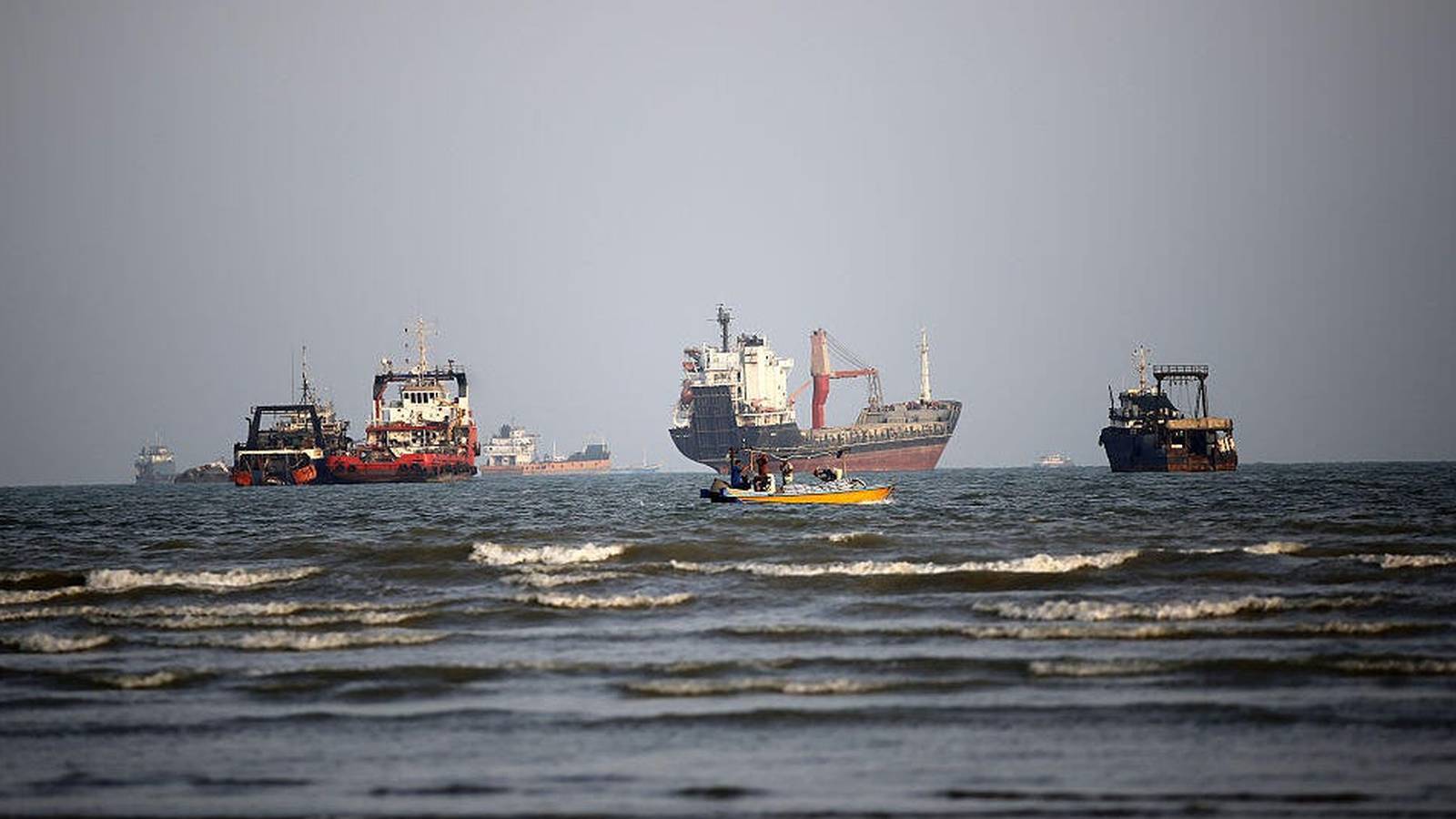
The conflict has entered a volatile phase as the global oil supply remains under severe pressure. Adm. Brad Cooper, commander of U.S. Central Command, reported that the U.S. military has been forced to escort over one billion barrels of oil and 2,000 commercial vessels through the Persian Gulf in recent months to maintain maritime security. The Houthis’ recent seizure of Yemeni coastline territory and islands in the Bab al-Mandab Strait has further complicated these logistics, threatening one of the world’s most critical maritime chokepoints.
President Trump, currently in what he describes as “deciding mode,” faces pressure to determine the next phase of the U.S. strategy. During recent remarks, the President indicated he is weighing options ranging from a major military assault to “annihilating” the regime to pursuing a negotiated settlement. While Trump has expressed potential openness to meeting Iranian President Masoud Pezeshkian at the upcoming United Nations General Assembly in New York, previous attempts at such diplomatic breakthroughs have consistently faltered.
The Diplomatic Landscape
The regional response to the escalation remains fractured. Turkey’s Foreign Minister Hakan Fidan has publicly urged that Saudi Arabia be kept out of the U.S.-Iran conflict, citing the kingdom’s vulnerability and the recent expansion of strikes into its interior. Meanwhile, CIA Director John Ratcliffe visited Cairo on Sunday to meet with Egyptian President Abdel Fattah al-Sisi. The discussions focused on regional crisis management and maritime security, with Egypt attempting to position itself as a stabilizing intermediary between the warring parties. Despite these efforts, the rhetoric from Tehran remains defiant, with officials accusing the United States of hypocrisy following a recent U.N. report alleging potential U.S. war crimes in Iran—a claim the White House has vehemently rejected.