


Super Typhoon Ragasa Strikes: Asia Braces for a Fierce Test
In the early hours of September 23, 2025, Super Typhoon Ragasa bore down on Asia’s densely populated coasts, bringing with it the kind of raw power that makes headlines—and forces entire cities to rethink what it means to be prepared. Described by China’s meteorological agency as the “King of Storms,” Ragasa’s arrival has triggered a domino effect of evacuations, closures, and a palpable anxiety that ripples far beyond the eye of the storm.
Philippines: First to Face the Fury
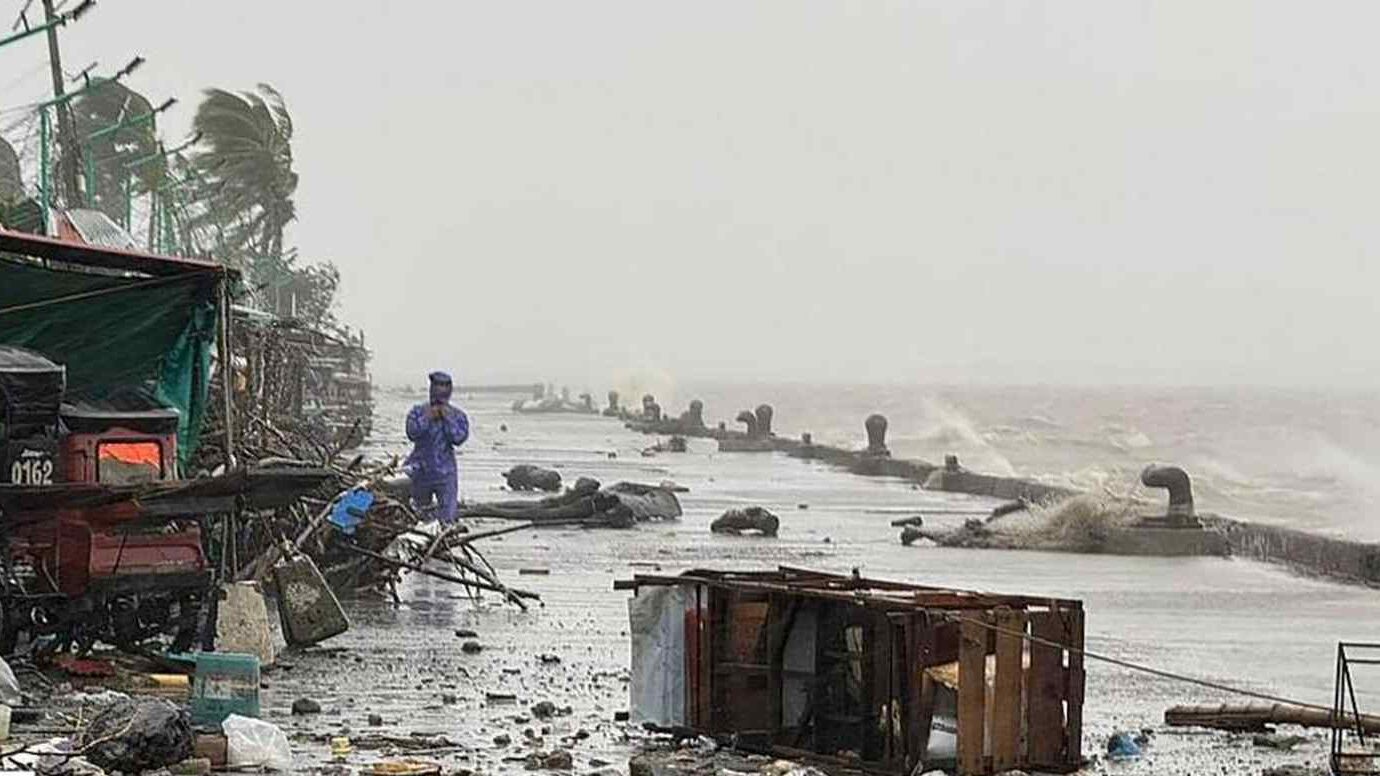
The Philippines, often the frontline for Pacific cyclones, was the first major landmass in Ragasa’s destructive path. On Monday afternoon, the typhoon slammed into Panuitan Island off Cagayan province, with sustained winds reaching 215 km/h (134 mph) and gusts peaking at a staggering 295 km/h (183 mph), according to the Philippine weather service. The storm ripped the roof off a school in Calayan Island, sending debris crashing into an evacuation center just 30 meters away—a stark reminder of how vulnerable even designated shelters can be.
Rescue operations unfolded across flooded towns and landslide-prone slopes. Coastguard teams rappelled into submerged municipalities, while emergency crews ferried families to safety on makeshift rafts and military trucks. At least three lives were lost, thousands evacuated, and entire provinces ground to a halt as schools and government offices closed their doors. The Philippines, which endures an average of 20 such storms annually, found itself once again grappling with the reality of climate-driven disasters. Al Jazeera reported that more than 10,000 Filipinos sought refuge as floodwaters rose and rice fields vanished beneath swirling torrents.
Hong Kong and Southern China: Bracing for Impact
As Ragasa moved northwest, its wrath threatened Hong Kong and the southern coast of China. Hong Kong’s government responded by raising its typhoon warning to No. 8—just two levels shy of the city’s highest alert. The bustling metropolis transformed overnight: supermarket shelves were stripped bare of essentials like bread, vegetables, and instant noodles, while residents taped up windows and fortified their homes with sandbags. The looming sense of deja vu was strong; officials recalled the devastation of Super Typhoon Mangkhut in 2018 and Hato in 2017, which caused billions in damage and left hundreds injured.
With landfall expected in Guangdong province, authorities evacuated more than 370,000 people, closed schools, and shuttered businesses across at least 10 cities. The warnings were unequivocal—this was not a routine storm. “Ragasa would pose a serious threat to Hong Kong,” said Eric Chan, Chief Secretary for Administration, in remarks cited by BBC News. The region’s infrastructure, from airports to public transit, braced for severe disruption: Hong Kong International Airport anticipated hundreds of flight cancellations, with Cathay Pacific and Hong Kong Airlines halting departures.
Shop owners, especially those in low-lying coastal districts, stacked sandbags and reinforced storefronts, hoping to stave off tidal surges. The memory of sunken ships and destroyed infrastructure lingered as residents prepared for whatever the storm might deliver.
The Human Cost: Stories Behind the Statistics
Behind the evacuation numbers and wind speeds are countless individual stories—families separated, homes lost, and a mounting sense of vulnerability. In the Philippines, a landslide in Benguet province injured multiple people when vehicles were struck by falling earth. In Apalit, Pampanga, motorists waded through knee-high floodwaters, their vehicles half-submerged in muddy torrents. Aerial footage showed fishing boats clustered together along the battered shores of Santa Ana, as if seeking safety in numbers.
In Hong Kong, the rush to stockpile food became a communal ritual, with neighbors sharing tips on securing windows and swapping stories about past typhoons. For many, the specter of climate change is no longer abstract—it’s a lived reality, measured in broken routines and the uncertainty of what tomorrow might bring. Scientists, cited by Reuters, warn that storms like Ragasa are growing more powerful as global temperatures rise, a trend that threatens to make such emergencies more frequent and severe.
Economic and Social Disruption: Counting the Cost
The economic fallout from Ragasa is already being felt. With flights cancelled, businesses shuttered, and supply chains disrupted, the cost of recovery will likely stretch into the billions. In 2018, Typhoon Mangkhut inflicted losses estimated at HK$4.6bn ($592m) in Hong Kong alone, a figure that underscores the stakes each time a super typhoon approaches.
Beyond the immediate physical damage, the psychological toll is significant. Communities across Asia find themselves in a state of perpetual readiness, cycling between periods of anxious waiting and frantic action. The storm’s impact on education, with schools closed and children displaced, is a sobering reminder of how vulnerable even the most fundamental aspects of daily life can be.
Looking Ahead: Preparing for an Uncertain Future
As Ragasa churns towards northern Vietnam, millions remain on edge, watching weather bulletins and hoping for the best. The storm’s path is a stark illustration of how interconnected Asia’s coastal communities have become—what happens in a remote Philippine island can reverberate through Hong Kong’s financial district and Guangdong’s manufacturing hubs.
Officials urge continued vigilance and preparedness. Yet, as the world warms, the challenge grows. The “King of Storms” is not merely a meteorological event—it’s a wake-up call about the shifting realities of climate resilience, urban planning, and the need for international cooperation in the face of increasingly unpredictable natural disasters.
Typhoon Ragasa’s journey through Asia has exposed the region’s vulnerabilities but also its capacity for rapid response and solidarity. The storm’s unprecedented force serves as a reminder that climate-driven extremes are becoming the new normal. For governments, communities, and individuals alike, the lesson is clear: preparedness must evolve as the threats do, and the true measure of resilience lies not in how well we withstand the storm, but in how swiftly we recover—and adapt—in its aftermath.