


A Swift Reversal Shakes Corporate Governance Norms
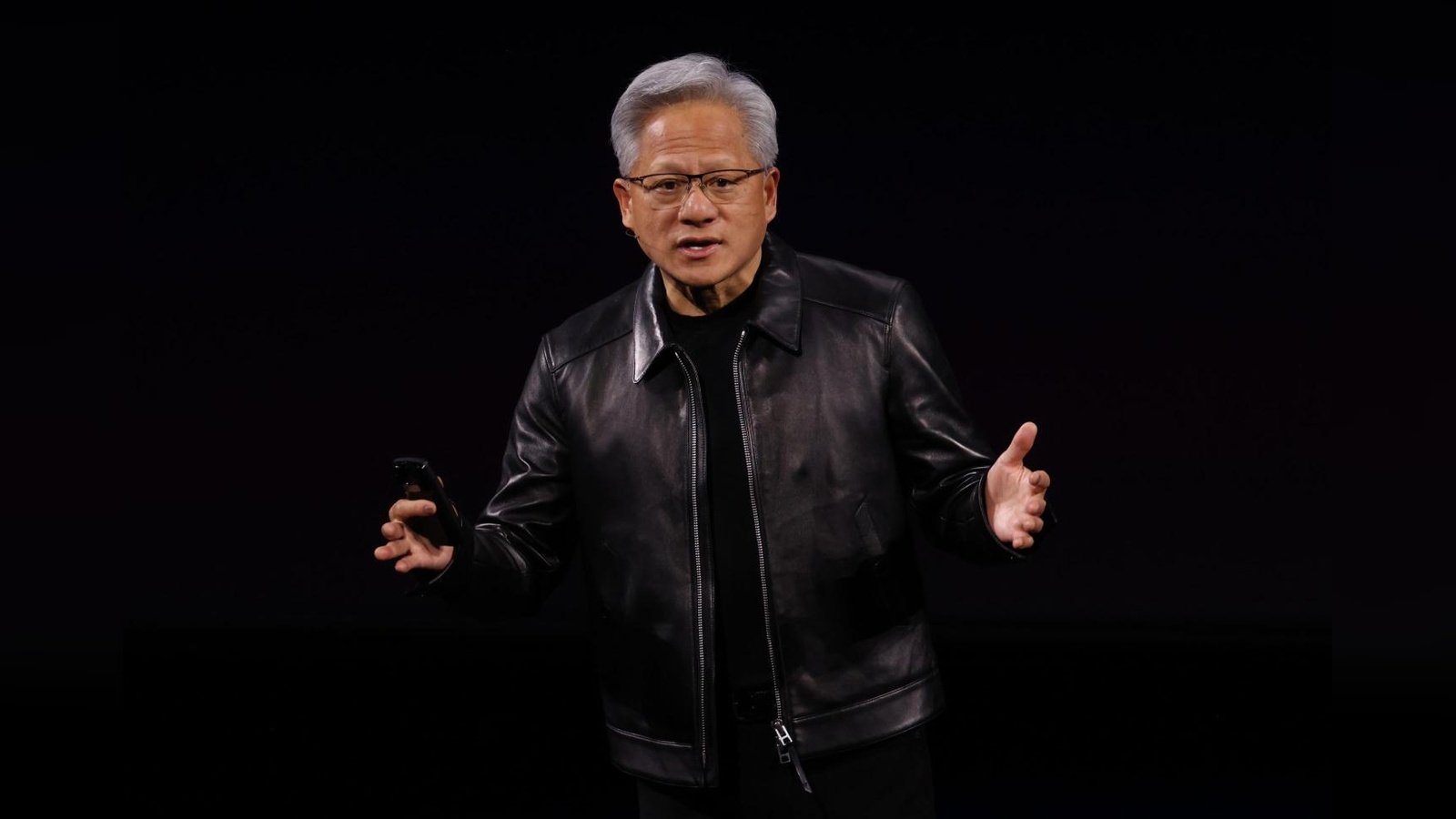
In a rapid about-face that startled the global financial markets, the Nvidia board of directors reinstated founder Jensen Huang as CEO just six days after accepting his resignation. This unprecedented maneuver, detailed in reporting published by Fortune on November 23, 2026, saw the board shift from a position of moral clarity—publicly stating that Huang had violated the company’s code of conduct—to a stance of absolute pragmatism. The sudden reversal has triggered intense, ongoing scrutiny from corporate governance experts worldwide, who are now questioning the strength of Nvidia’s oversight mechanisms and the inherent risks of a governance structure so heavily reliant on a single, visionary leader.
The Core Conflict: Pragmatic Stability Versus Ethical Standards
The decision to rehire Huang has exposed a deep ideological rift among governance professionals regarding the primary mandate of a corporate board. Umesh Ramakrishnan, cofounder and chief strategy officer at the executive search firm Kingsley Gate, offered a scathing critique of the board’s maneuver. He noted that by reversing its monumental decision within less than a week, the board effectively broadcasted its own administrative instability. To many observers, the speed of the transition suggests that long-term ethical standards were subordinated to immediate market pressures, signaling a potential departure from the accountability expectations placed upon a $4 trillion entity.
Conversely, defenders of the board’s decision emphasize that the directors were operating under extreme duress, navigating a landscape defined by significant market volatility and intense external influence. Jeff Christian, CEO of Christian & Timbers, argued that the board was left with few viable alternatives to prevent a catastrophic erosion of shareholder value. This assessment is bolstered by the confirmation that the intervention reached the highest levels of government. A White House spokesperson confirmed that U.S. President Donald Trump was directly involved, having dialed into an Nvidia board meeting to advocate for Huang’s return. The administration justified this extraordinary move by citing the necessity of protecting key American technological assets, underscoring the role Nvidia plays in national security and economic infrastructure.
The Shadow of Incomplete Investigations and Succession Deficits
A central pillar of the backlash centers on the fact that critical investigations into Huang’s personal conduct and broader allegations concerning the company’s accounting practices remain active and uncompleted. Linda Ford, CEO of the Chartered Governance Institute UK & Ireland, highlighted the inherent vulnerability of boards that operate without robust, pre-established succession plans. Ford noted that when a company’s entire leadership identity is constructed around a single individual, directors often find themselves unable to maintain their ground during a crisis. The current predicament at Nvidia serves as a stark case study for the dangers of failing to institutionalize leadership transition processes.
Despite the governance concerns, the board’s actions have provided immediate, tangible dividends for investors. Jesse Fried, a professor at Harvard Law School specializing in corporate governance, suggested that the board was acting within its fiduciary duty to protect long-term value, as evidenced by the immediate positive market reaction following the announcement. However, Lindsey Stewart, director of Institutional Insights at Morningstar, cautioned that while investors may be relieved to see Huang’s return given his track record, the move leaves fundamental questions regarding risk management, internal oversight, and institutional integrity largely unaddressed. As Nvidia remains at the epicenter of the global AI ecosystem, the tension between market performance and corporate responsibility remains unresolved.
Institutional Fallout and National Security Implications
The political dimensions of this crisis have widened significantly. Prominent lawmakers have raised alarm over the implications of the board’s capitulation. Senator Elizabeth Warren (D-Mass.) characterized the move as reckless, stating that it does not absolve Huang or the board of the obligation to provide Congress with transparent answers regarding the company’s compliance with critical U.S. export controls. Furthermore, Senate Majority Leader Chuck Schumer (D-N.Y.) stated that the Trump administration’s active interference in corporate governance sets a worrying precedent for the fusion of executive power and private sector interests. The concern is that by shielding an executive from the consequences of internal policy violations, the board and the government may be incentivizing a culture where compliance is viewed as optional.
From a national security perspective, the situation is increasingly complex. Experts like Nick Reese, a former Department of Homeland Security official, have argued that while Huang’s return might stabilize the stock price, it creates a layer of instability for those managing national security risks. There is a tangible fear that if a CEO knows they are shielded from the fallout of their personal or corporate conduct, it may result in a moral hazard that compromises the security of sensitive technologies. While the board has announced the formation of a National Security and Export Control Committee to address these specific risks, critics maintain that such committees, if created under the shadow of a reinstated executive, may lack the independence required to truly hold leadership accountable.
Historical Parallels and Future Precedents
Academic research into CEO misconduct, as highlighted in analysis from The Conversation, suggests that board behavior at Nvidia mirrors past instances where companies struggled to reconcile founder-driven success with the necessity of maintaining ethical boundaries. Historically, organizations that fail to treat executive misbehavior with the appropriate level of gravity often face long-term reputational degradation. Boards that choose to overlook breaches in code of conduct risk creating a culture where internal transparency is permanently compromised. As the company looks ahead, the pressure is mounting for Nvidia to formalize its governance protocols. The search for a new Chief Compliance Officer, as announced by the board, is viewed by many as a necessary, if belated, step toward rebuilding institutional trust. Whether these efforts will be sufficient to mitigate the long-term governance risks created by the events of November 2026 remains a point of intense debate among industry leaders and legal scholars alike.
Reporting source: fortune.com.