


A Shift in Governance Stance
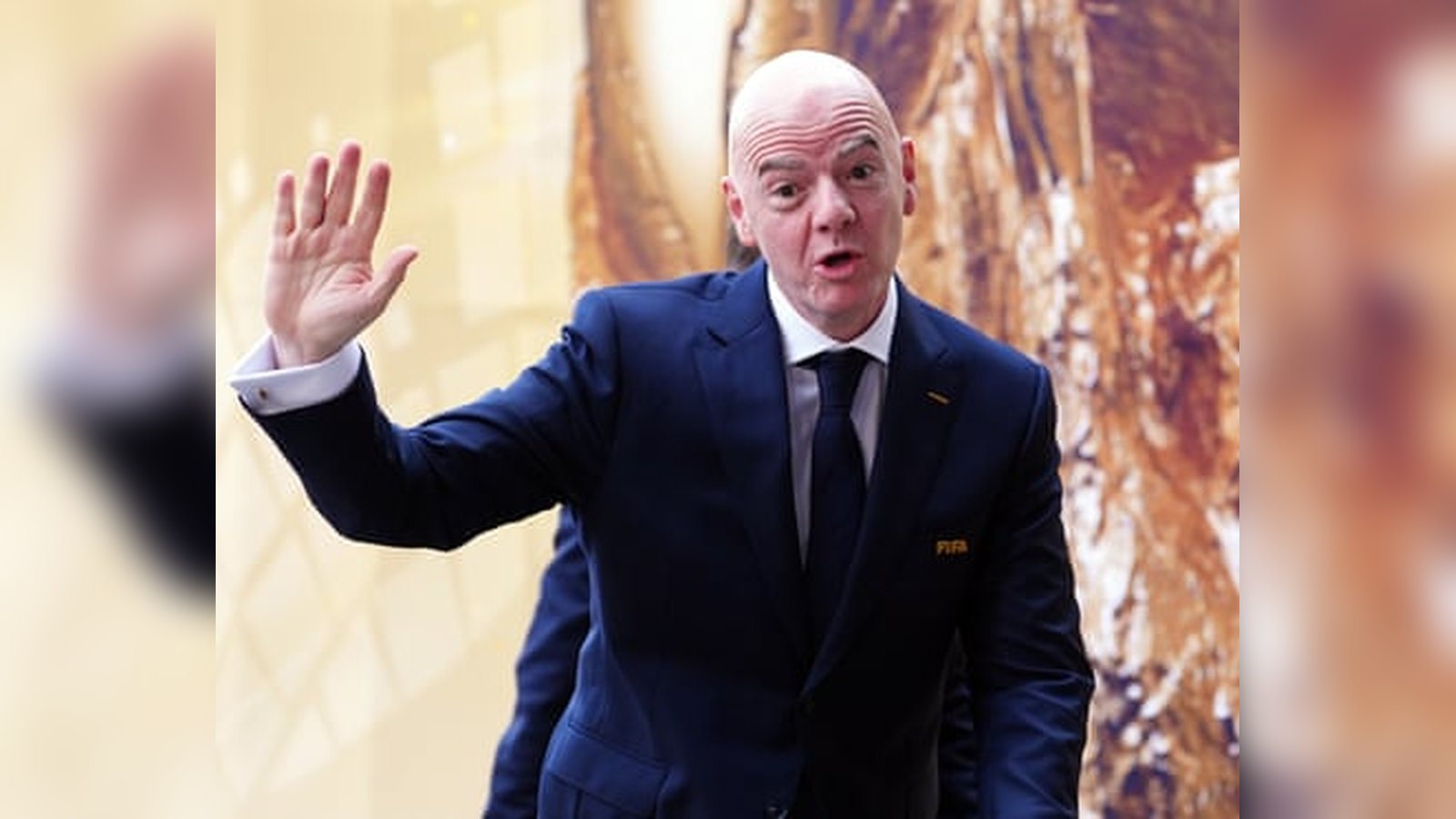
European football appears set to avert a major institutional crisis as UEFA is poised to drop its threatened boycott of FIFA competitions. The move follows weeks of private negotiations during which FIFA provided binding, written assurances that the governing body will never again attempt to implement plans similar to Gianni Infantino’s controversial ‘FIFA Forward Enterprise’ (FFE) proposal.
The FFE, which would have effectively allowed the sale of stakes in the World Cup to private equity investors, sparked widespread condemnation from European federations. UEFA had previously argued that FIFA’s initial decision to abandon the project was insufficient because it lacked a formal pledge to prevent future privatization efforts. That deadlock is now breaking, clearing the way for European nations to participate in upcoming tournaments, including the Under-20 Women’s World Cup starting 5 September in Poland.
The Growing Political Rift
While the boycott threat is receding, the broader political struggle for the leadership of global football remains intense. UEFA’s executive committee is expected to discuss the future of the FIFA presidency during meetings in Monte Carlo this week. Despite the resolution of the immediate boycott issue, UEFA’s stance that Gianni Infantino should be replaced remains unchanged.
The Italian Football Federation (FIGC) has emerged as a key actor in this opposition, formally withdrawing its support for Infantino’s reelection bid. In a statement, FIGC President Giovanni Malagò emphasized a commitment to a vision of football based on “merit, solidarity, sustainability, and the centrality of fans.” This move aligns Italy with a growing coalition of European voices who view the FFE proposal as a fundamental attempt to “disfigure” the sport.
Stakes for the FIFA Presidency
Gianni Infantino, who has led FIFA since 2016, faces his most significant challenge to date. While he once appeared set for an unopposed reelection next year in Morocco, the fallout from his governance initiatives has fractured his support base. While he retains backing from key confederations and nations—including 2030 World Cup co-host Morocco, Qatar, and Lebanon—the loss of European support marks a major shift in the political landscape of global football governance.
The upcoming November 18 deadline for potential challengers to register their candidacy for the FIFA presidency looms as the next critical juncture. With European federations now coordinating their legislative and political strategies, the debate over the future of the organization is likely to dominate the agenda in both Monte Carlo and beyond.