

Quick Read
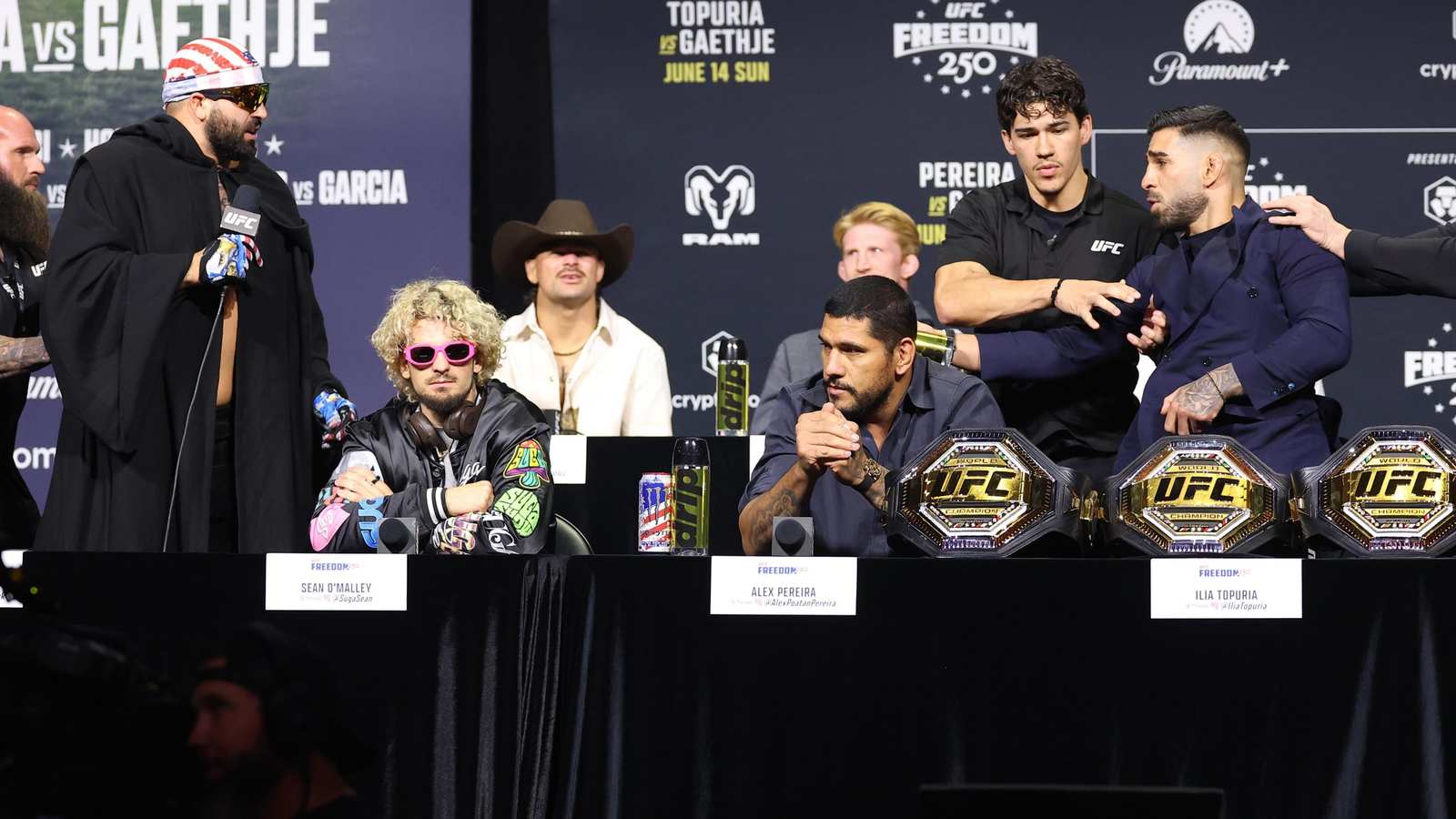
- The UFC White House event on June 14 features Ilia Topuria vs. Justin Gaethje and Alex Pereira vs. Ciryl Gane.
- Fighters and analysts have criticized the finalized six-fight lineup for lacking the anticipated star power for such a historic venue.
- High-profile athletes like Jon Jones and Colby Covington confirmed they were excluded from the card due to financial disputes and promotional decisions.
NEWARK (Azat TV) – As the dust settles on the high-stakes UFC 328 card in New Jersey, the promotional spotlight has shifted decisively to the upcoming “UFC Freedom 250” event, scheduled for June 14 on the South Lawn of the White House. While the promotion positions the D.C. spectacle as the centerpiece of the America 250 anniversary celebrations, the finalization of the six-fight lineup has triggered a wave of criticism from fighters and analysts alike, who question whether the event’s star power matches the unprecedented nature of the venue.
The UFC White House Lineup Controversy
The announcement of the official card has sparked significant debate regarding the UFC’s ability to deliver on earlier promises of a “spectacle on steroids.” Despite featuring a lightweight title unification bout between champion Ilia Topuria and interim titleholder Justin Gaethje, and a high-stakes heavyweight interim title clash between Alex Pereira and Ciryl Gane, many critics have characterized the lineup as falling short of the massive expectations built over the last several months. Fighters like Colby Covington, who campaigned publicly for a spot on the historic card, have openly labeled the event “terrible” after being left off the roster.
Stakes and Regulatory Oversight
The event represents a logistical and historical milestone for the promotion, necessitating the creation of a specialized commission to advise on regulatory operations in conjunction with the Association of Boxing Commissions. UFC CEO Dana White has maintained that the event remains the “baddest card of all-time,” despite persistent reports of failed negotiations with high-profile stars like Jon Jones. Jones confirmed that he held extensive talks with the UFC about competing at the White House, but claimed the promotion refused to meet his financial requirements, marking a notable absence for the historic evening.
Shifting Focus After UFC 328
The transition from the intense action at UFC 328, which saw Khamzat Chimaev defend his middleweight title against Sean Strickland, underscores the current volatility in the UFC’s 2026 schedule. While the business side of the organization continues to see record growth, the mixed reception to the upcoming White House card has amplified concerns regarding a potential decline in the quality of matchups on landmark cards. As construction begins on the South Lawn, the promotion faces the challenge of justifying the hype surrounding the June 14 event while managing a roster of fighters who remain divided on the card’s prestige.
The backlash surrounding the UFC White House card highlights a growing tension between the promotion’s commercial expansion into non-traditional venues and the demand from fans and athletes for high-stakes, star-studded matchmaking that justifies the elevated profile of such historic events.