


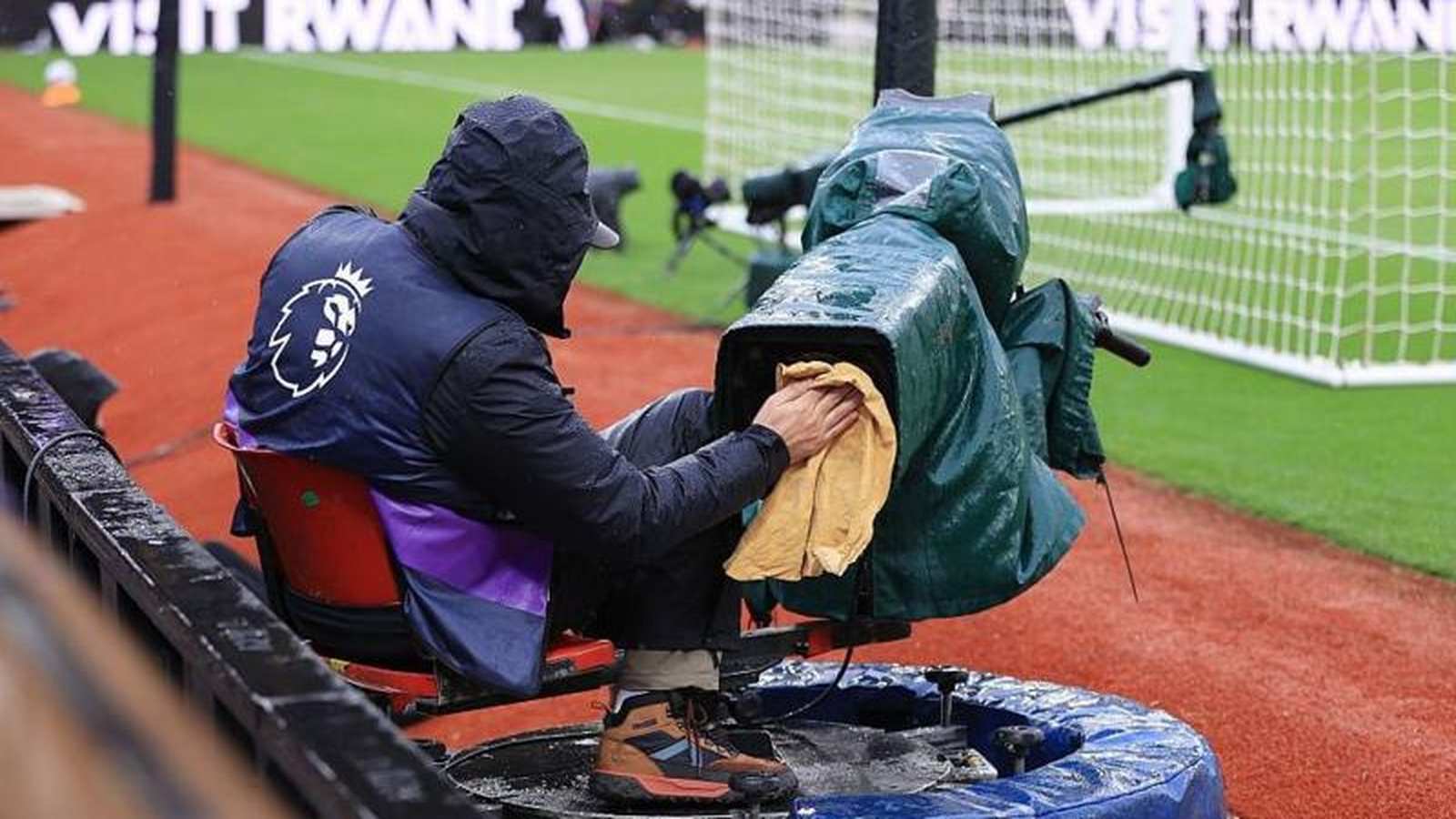
A Tradition Under Review
The long-standing tradition of the 3pm football blackout in the United Kingdom, which has prohibited the live broadcast of matches on Saturday afternoons for over 60 years, is facing its most significant challenge as stakeholders prepare for the 2029-30 television rights cycle. While Premier League chief executive Richard Masters previously stated there were no plans to abolish the rule, a shift in emphasis occurred in mid-2026, with the league now acknowledging that formal discussions will be held with the English Football League (EFL) regarding the future of the blackout, as reported by BBC Sport.
The blackout, which prevents live broadcasts between 2:45pm and 5:15pm on Saturdays, was originally established in the 1960s to protect match attendances across the domestic football pyramid. The policy traces its roots to the 1964-65 season, when the BBC launched Match of the Day. Concerns from clubs—most notably from Burnley chairman Bob Lord, who initially refused to allow cameras into Turf Moor—led to a compromise where televised Saturday matches were not revealed until after all games had concluded. By 1987, the concept was formalized under Article 48 of the UEFA Statutes, which allows countries to designate a two-and-a-half-hour transmission-free period, provided at least 50% of matches in the top two divisions take place during that time. Today, the United Kingdom remains the only major footballing nation in the world that continues to apply such a policy, as no other major country has a kick-off structure that spans from the top flight through the lower divisions in the same manner.
The Economic and Structural Stakes
The financial stakes for the Premier League are substantial. Despite a record £6.7bn domestic deal recently, the league had to package 70 additional games to maintain growth, effectively reducing the unit value of individual matches. With nearly every available time slot outside the 3pm window already utilized, broadcasters and league officials are increasingly looking at the Saturday afternoon period as the last remaining frontier for live content. The potential removal of the blackout is viewed by some as an inevitable evolution in a streaming-first era where fans are accustomed to accessing every game live, a standard routinely met in other major European leagues like the Bundesliga, La Liga, and Serie A. In Germany, for example, the Bundesliga utilizes a 3:30pm Saturday slot, but because the 2. Bundesliga kicks off at 1:30pm, the leagues do not overlap in the same way as in England, negating the need for a blackout.
Conversely, the Football Supporters’ Association and government figures, including Prime Minister Andy Burnham, have urged caution. The primary concern is that removing the blackout would erode the financial stability of lower-league and non-league clubs. Many of these clubs rely on the support of transient fans—often supporters of larger professional clubs who attend local matches when their primary team is playing away from home. Executives at the National League have expressed steadfast opposition to ending the blackout, fearing a direct negative impact on stadium receipts and the overall health of the English football pyramid, which remains globally unique in its depth and local attendance figures. Nick Boom, chair of Northern Premier League side FC United of Manchester, emphasized that for these community assets, income from turnstiles and concessions is vital, and the blackout serves as a crucial protection rather than mere nostalgia.
The Path to 2029
The landscape is further complicated by the diverging approaches of different leagues. While the Premier League and EFL continue to weigh the pros and cons, the Scottish Premiership has taken a more proactive stance, inviting broadcasters to bid for the rights to show all matches live, including those scheduled for Saturday afternoons. This move by Scottish football sets a potential precedent that could influence the upcoming negotiations in England. The Women’s Super League has also evaluated the potential for a 3pm Saturday slot but has faced logistical hurdles, particularly regarding stadium availability and the need for consistent scheduling.
The debate has also touched upon the issue of piracy. Some proponents of lifting the blackout argue that the current restrictions drive fans toward illegal streaming services, especially when Premier League fixtures are unavailable through legitimate channels. However, there is no consensus on how many of these viewers would transition to legal paid subscriptions. Meanwhile, some clubs are taking matters into their own hands; for instance, FC Isle of Man has adjusted its kick-off times to circumvent the blackout and stream all its fixtures, while others like Dorking Wanderers and Hashtag United have expressed interest in the potential revenue opportunities that liberalization might bring.
Ultimately, the decision will require a delicate balance between the commercial demands of the elite professional game and the preservation of a system that sustains thousands of clubs across the country. As the 2029-30 renewal date approaches, the dialogue between the Premier League, the EFL, and broader stakeholders will determine whether the 3pm blackout survives as a pillar of British football or is finally retired in favor of a fully televised, on-demand future. Once the blackout is removed, it is widely accepted by industry experts that it will be impossible to reinstate, making the upcoming decision a defining moment for the English game.