


A Diplomatic Pivot in Shenzhen
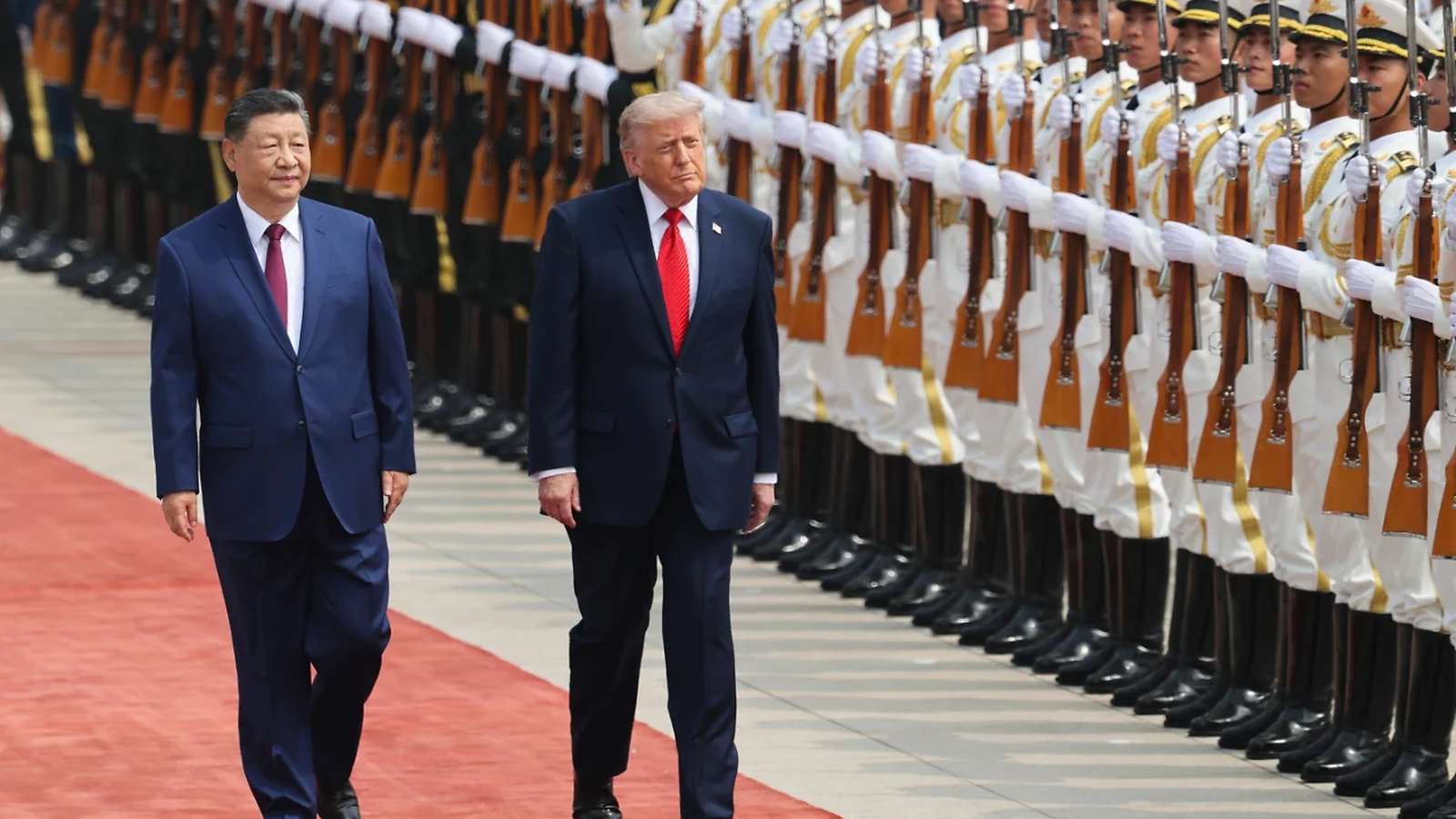
US President Donald Trump arrived in the Chinese city of Shenzhen on Wednesday, November 18, 2026, marking a significant moment in his multi-day diplomatic tour across Asia. His arrival was punctuated by a rare and highly visible gesture of protocol, as Chinese President Xi Jinping personally met him on the red carpet as he stepped off Air Force One. This high-level reception serves as the prelude to a historic trilateral summit involving Xi and Russian President Vladimir Putin, a meeting that holds profound implications for the current global geopolitical landscape. The summit occurs against the backdrop of an increasingly complex international environment characterized by the ongoing war in Ukraine, heightened anxieties regarding nuclear proliferation, and shifting power dynamics across the Indo-Pacific region.
The Philippine Prelude and Economic Diplomacy
Before his arrival in China, President Trump concluded a pivotal leg of his journey in the Philippines, where he participated in the Association of Southeast Asian Nations (ASEAN) summit and engaged with leaders of the Quad—a grouping comprising the United States, Australia, India, and Japan. During his time in Manila, Trump held a formal bilateral meeting with Philippine President Ferdinand Marcos Jr. at the Malacañang Presidential Palace. The two leaders emphasized the historical depth of the U.S.-Philippine alliance, with Trump characterizing it as one of America’s most vital partnerships in the Pacific.
A notable outcome of this stop was the announcement of a massive trade agreement. Trump described the arrangement as a landmark deal, particularly beneficial to the American agricultural and energy sectors. Furthermore, the president announced an $85 million investment in artificial intelligence software, which he framed as a catalyst for economic growth comparable to the Industrial Revolution. This economic focus, however, was balanced by security discussions as the administration continues to navigate the strategic challenges posed by China’s influence in the region.
The Trilateral Agenda and Strategic Uncertainty
The upcoming trilateral summit between Trump, Xi, and Putin is widely viewed as a critical forum for addressing systemic global issues. While the formal agenda remains fluid, the White House has indicated that the proliferation of nuclear weapons will be a central theme. Trump has consistently expressed optimism regarding his personal diplomacy, noting on Tuesday that he believes a breakthrough in the Ukraine conflict—which has persisted since the 2022 Russian invasion—is within reach. Citing the high attrition rate of Russian forces, Trump suggested that the current circumstances might provide the necessary leverage to finalize a diplomatic resolution. This optimistic outlook, however, contrasts with earlier reports from administration staff who had suggested that the Ukraine conflict might be omitted from the formal trilateral proceedings.
The diplomatic landscape is further complicated by the potential for bilateral side meetings. Trump has publicly signaled his interest in holding a private, one-on-one session with President Putin. Additionally, the prospect of a meeting with North Korean leader Kim Jong Un has been raised, though Secretary of State Marco Rubio clarified that no such engagement had been officially scheduled for the current visit. Rubio noted that while the administration remains open to dialogue with Pyongyang, the primary focus remains on the scheduled trilateral discussions.
Consolidating the Russia-China Axis
In the lead-up to the trilateral meeting, Presidents Xi and Putin held their own bilateral talks in Shenzhen. Their discussions served to reinforce the deepening strategic partnership between Moscow and Beijing. Both leaders utilized the platform to articulate a shared vision for a multipolar international order, which they argue is essential to counterbalance what they perceive as an unstable global environment driven by Western hegemony. President Putin emphasized that the two nations bear a joint responsibility to foster a more equitable international system, describing the Moscow-Beijing relationship as a stable and positive force.
President Xi echoed these sentiments, calling for deeper cooperation across all sectors and urging both nations to lead in the democratization of international relations. This alignment is viewed by analysts as a strategic counterweight to the traditional Western alliance structure. By framing their partnership as a model of equality and mutual respect, Xi and Putin are attempting to set the terms for a new global governance model. The Shenzhen summit, therefore, acts as a high-stakes arena where these competing visions will be tested. The outcomes of these discussions regarding nuclear stability and regional security will likely determine whether the existing divide between these major powers can be narrowed or if it will continue to deepen in the coming months.
Internal Pressures and Administrative Context
The diplomatic mission also coincides with ongoing domestic discussions within the U.S. administration. Reports have highlighted varying perspectives from Commerce Secretary Howard Lutnick and Treasury Secretary Scott Bessent regarding the management of economic and technological relations with China. Furthermore, the trip has been shadowed by external developments, including scrutiny over the relationship between the former CEO of Nvidia, Jensen Huang, and the administration, alongside concerns regarding export controls on advanced technology. White House officials have maintained that these domestic issues are not expected to influence the core diplomatic negotiations, asserting that national security matters remain the priority. As the leaders convene in Shenzhen, the international community remains focused on whether this rare trilateral gathering can yield concrete steps toward de-escalation in a world defined by persistent conflict and strategic competition.
Reporting source: timesnownews.com.