


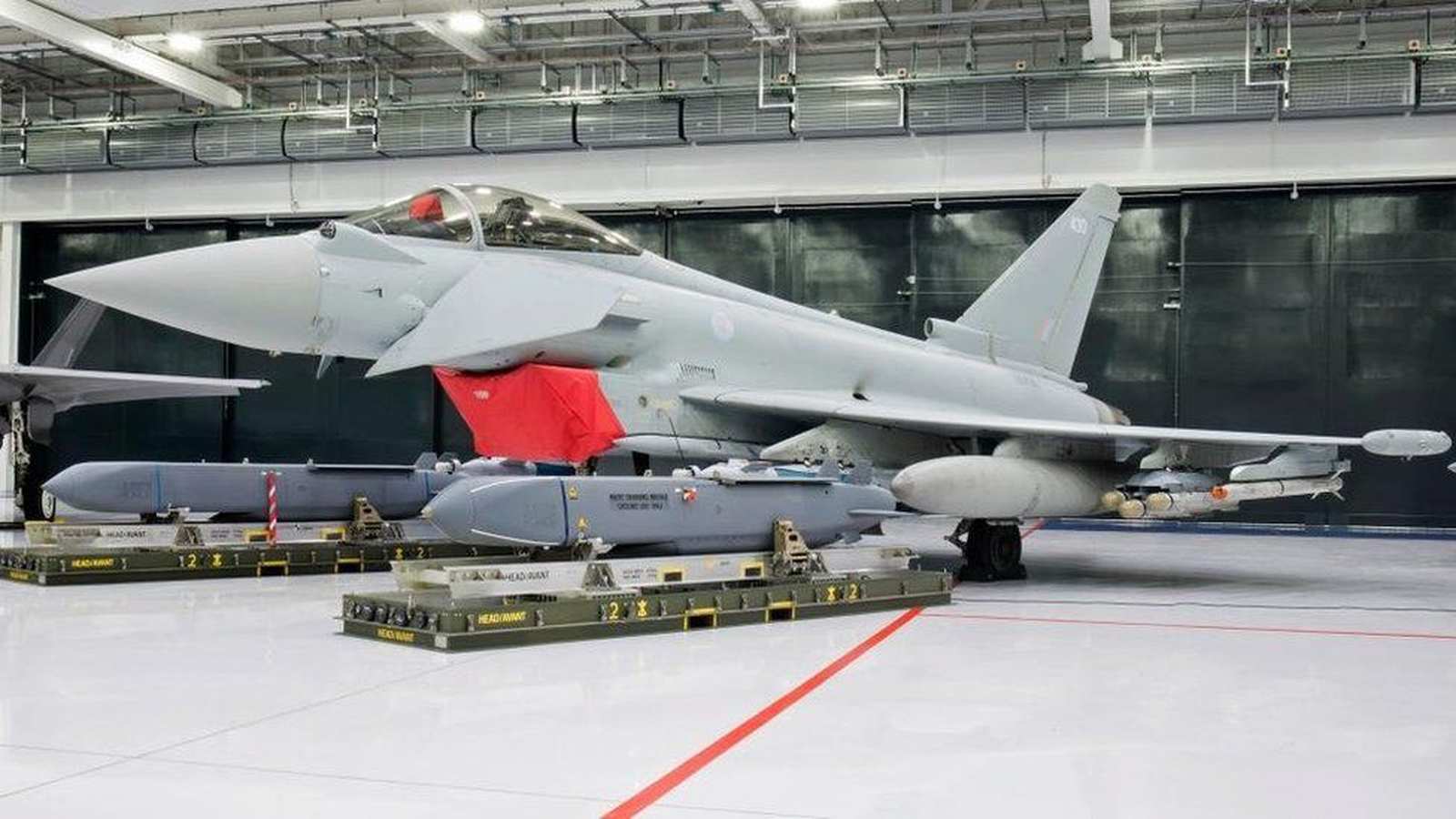
Strategic Shift in Military Support
British Prime Minister Andy Burnham announced on Monday that the United Kingdom will share classified technical information with Ukraine, enabling the country to domestically produce its own version of the Storm Shadow long-range cruise missile. The announcement, made during Burnham’s visit to Kyiv for Ukraine’s 35th Independence Day, marks a significant escalation in Western military cooperation as the conflict enters its fifth year.
The initiative involves the defense firm MBDA releasing detailed specifications for British components used in the SCALP/Storm Shadow platform, which is jointly developed with France. By localizing production, Kyiv aims to secure a more sustainable supply of high-precision weapons to strike strategic Russian targets, including fortified infrastructure that has been protected against Ukraine’s existing long-range drone fleet.
This report draws on information published by The Guardian and Al Jazeera.
Operational Context and Production Hurdles
Storm Shadow missiles are highly sophisticated weapons with a range of approximately 560km (350 miles), capable of penetrating deep into Russian territory. Unlike mass-produced, lower-cost drones, these cruise missiles are designed to neutralize “hard” targets such as command centers, bunkers, and logistics hubs. Last year, Ukrainian forces successfully deployed UK-provided Storm Shadows against high-value Russian targets, including the Black Sea naval headquarters in Sevastopol and a key chemical plant.
However, analysts warn that domestic production remains a complex logistical challenge. Karan Vassil, a Eurasia analyst at Sibylline, noted that setting up a production line could take up to two years from initial contract to delivery. Furthermore, the reliance on a complex international supply chain and the potential inclusion of sensitive US-origin components may necessitate additional regulatory approvals. Protecting manufacturing facilities from preemptive Russian strikes—which Moscow has already threatened—will require significant air defense investments.
Geopolitical Tensions and Regional Stakes
The move has drawn sharp criticism from the Kremlin. Russian presidential spokesperson Dmitry Peskov labeled the cooperation as “adding fuel to the fire,” warning that it would hinder any potential peace negotiations. In response, Prime Minister Burnham defended the decision, stating that the UK would not be deterred by “outrageous threats” from Moscow. The diplomatic fallout is already visible; Russia has withdrawn its ambassador to the UK, with the Russian embassy in London citing a deterioration of relations to an “unprecedentedly low level.”
While the UK and France lead this initiative, the move highlights a growing divergence in Western support strategies. Analysts suggest this decision serves as a pragmatic response to the perceived inconsistency in US military backing, particularly following recent reports of US hesitation regarding the transfer of Patriot missile interceptor technology. By empowering Ukraine to sustain its own long-range strike capabilities, European allies are signaling a long-term commitment to Ukraine’s strategic depth.