


Maintaining the Status Quo
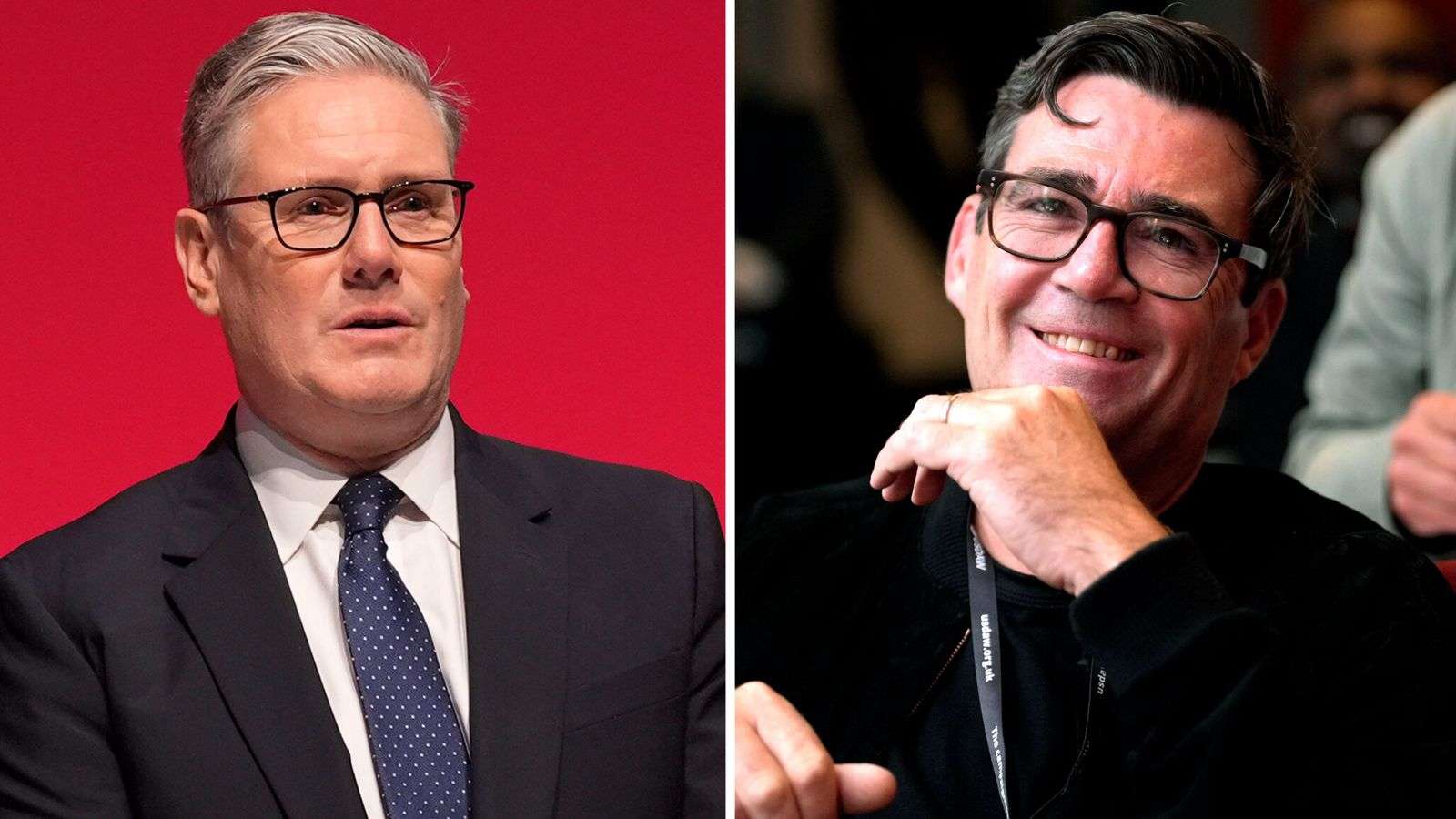
Prime Minister Andy Burnham has formally committed to the Brexit ‘red lines’ established by his predecessor, Sir Keir Starmer, effectively dampening immediate expectations of a formal move toward rejoining the European Union. Despite his rhetoric regarding a “bolder” approach to European relations, Downing Street confirmed on Monday that the government remains bound by manifesto commitments that rule out rejoining the EU, the single market, the customs union, or reintroducing freedom of movement.
The announcement follows a period of speculation regarding a potential shift in policy. During his time as mayor of Greater Manchester, Mr. Burnham had expressed personal support for the UK rejoining the bloc. However, since assuming the premiership in July, his administration has adopted a cautious stance. A Downing Street spokesperson stated, “We remain committed to the red lines set out in the manifesto. We’re not rejoining the European Union, and there will be no return to the customs union, the single market, or freedom of movement.”
Diplomacy and Strategic Ambition
Despite the rigid stance on membership, Mr. Burnham has signaled a desire to deepen cooperation with European partners. During an overnight train journey to Kyiv to mark Ukraine’s Independence Day, the Prime Minister held discussions with the President of the European Council, Antonio Costa. Both leaders reportedly agreed on the importance of an “ambitious” step change in UK-EU relations.
Mr. Burnham emphasized that the UK must be “bolder” in forging closer ties, particularly regarding defense, security, and economic resilience. These comments align with his earlier writings, where he advocated for strengthening cooperation on illegal migration, economic security, and AI-driven disinformation. The government is currently preparing for a UK-EU summit, which was initially scheduled for July but has been postponed to later this year. The summit is expected to address youth mobility, energy sharing, and other sectoral agreements.
Economic and Political Stakes
The decision to maintain the current Brexit framework comes amid intense debate over the economic consequences of the UK’s departure from the EU. Recent research by Frontier Economics, commissioned by the pro-integration campaign group Best for Britain, suggests that the UK could recoup approximately 90 percent of Brexit’s economic impact by rejoining the single market, potentially providing a £92bn boost to GDP. Furthermore, former Prime Minister Sir John Major recently warned that Brexit is currently costing the UK £100bn in trade and £40bn in tax revenues annually.
Political observers remain divided on the strategy. Mike Galsworthy, chair of the European Movement UK, suggested that while the current parliament may be constrained by manifesto promises, the real opportunity for Mr. Burnham lies in the next election cycle, where he could potentially shift the platform toward opening accession talks. Conversely, during his by-election campaign in the Makerfield constituency, Mr. Burnham expressed concern that constantly re-running the arguments of 2016 would trap Britain in a “permanent rut,” suggesting that his current priority is to foster domestic unity rather than reopening the debate on full membership.