


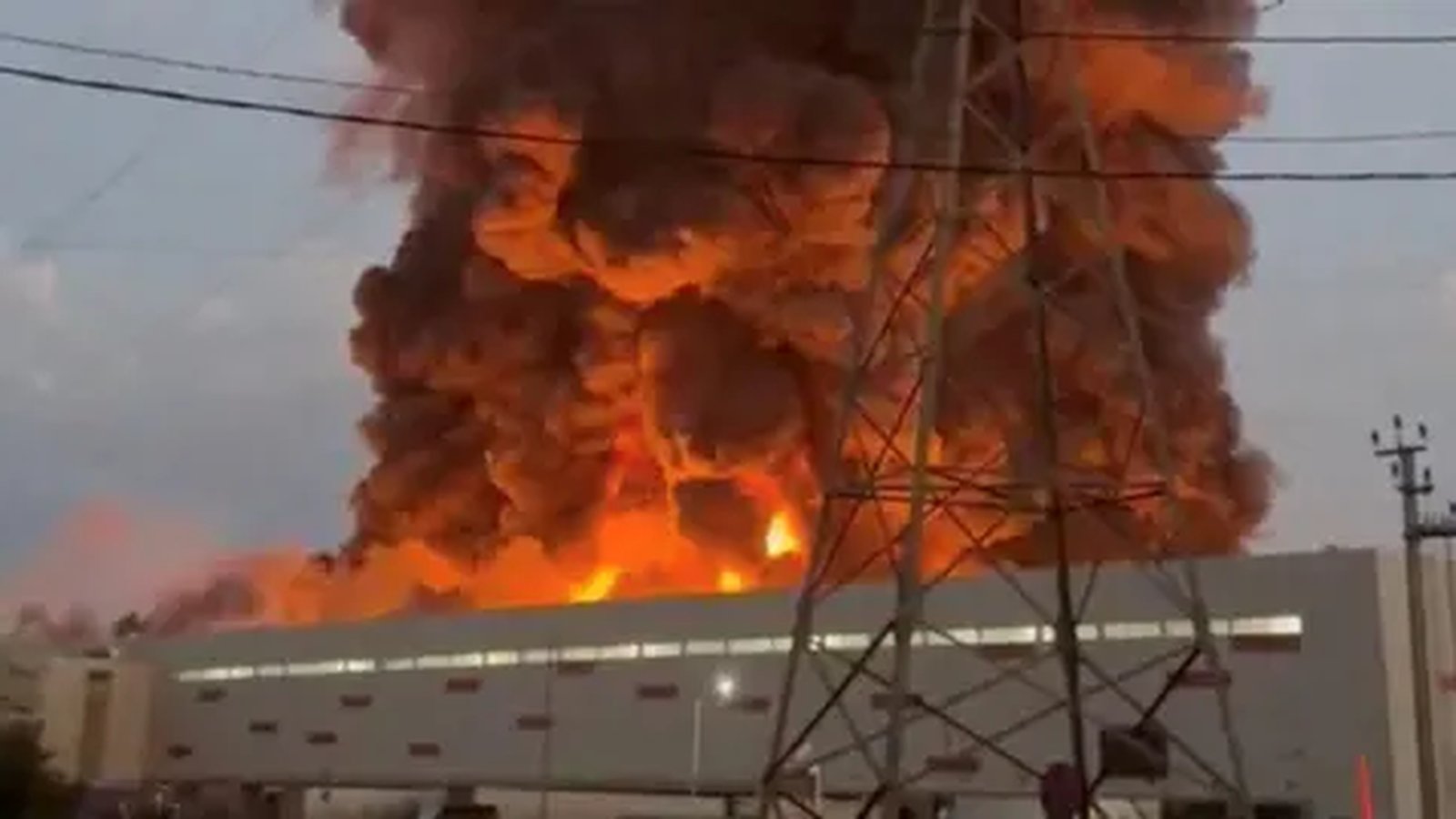
Expanding the Scope of Long-Range Strikes
Ukrainian forces have executed a series of high-impact drone strikes against major logistics hubs operated by Wildberries, Russia’s largest online retailer, in the southern cities of Krasnodar and Nevinnomyssk. According to statements from Wildberries founder Tatyana Kim and local Russian governors, the overnight attacks resulted in at least 15 injuries and significant structural damage, including massive fires that were verified by BBC footage.
These strikes represent a significant escalation in Kyiv’s “long-range sanctions” campaign. President Volodymyr Zelenskyy confirmed the operation, stating that the targeted facilities were “involved in providing the Russian army with drone components, navigation equipment and other gear.” This aligns with recent assessments by Serhii Kuzan of the Ukrainian Security and Cooperation Centre, who noted that the Wildberries platform has been utilized by volunteer networks to procure dual-use goods and critical electronics for Russian military units.
Economic and Tactical Stakes
The targeting of Wildberries is part of a broader tactical shift aimed at disrupting the supply chain that supports the Russian war effort. By attacking logistics infrastructure up to 1,000 kilometers from the border, Ukraine seeks to create economic instability and psychological pressure within Russia. The strikes follow a pattern of recent attacks on the retailer’s facilities in the Tambov, Elektrostal, Moscow, and Volgograd regions, which have reportedly resulted in worker casualties and operational disruptions.
The campaign is not limited to retail infrastructure. On July 22, Ukrainian forces also targeted an oil depot in Krasnodar and several vessels associated with Russia’s “shadow fleet” in the Sea of Azov and the Black Sea. These vessels are essential for Russia’s ability to export oil while evading international sanctions imposed following the 2022 full-scale invasion.
A Cycle of Retaliation
The strikes occur against a backdrop of intense daily aerial bombardments by Russian forces across Ukraine. On July 22 alone, the Ukrainian military reported that Russia launched 216 drones and four missiles, causing casualties in Odesa and Kyiv. As the conflict enters its fifth year, the widening scope of these operations underscores the difficulty of reaching a negotiated settlement. While Kyiv maintains that bringing the war to Russian territory is a necessary measure to force Moscow toward diplomacy, the Kremlin remains committed to its current hard-line military objectives, including the full control of the Donetsk region.