


Escalating Diplomatic Friction
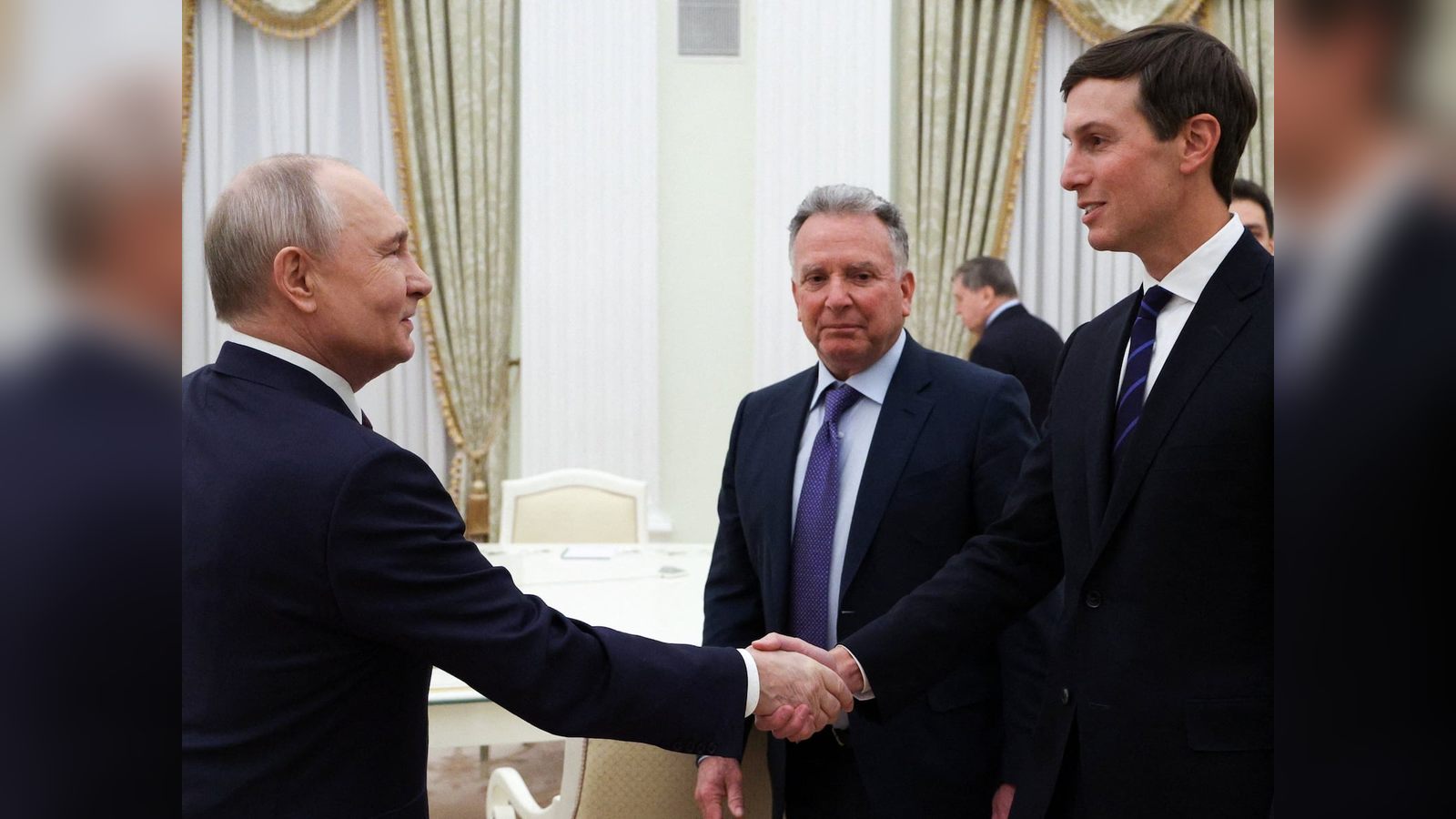
As of late November 2026, diplomatic tensions between Kyiv and Washington have intensified following calls by high-ranking Ukrainian lawmakers to remove U.S. peace envoys Jared Kushner and Steve Witkoff from the negotiation process regarding the war in Ukraine. Oleksandr Merezhko, chair of the Ukrainian parliament’s foreign affairs committee, publicly urged U.S. President Donald Trump to dismiss the pair, arguing that their recent commentary effectively mirrors Kremlin talking points and undermines the integrity of U.S.-led mediation efforts.
The friction follows an interview on the MD Meets podcast, reported by The Daily Beast, in which Kushner described Russian President Vladimir Putin as a “grandmaster of politics” and a “historic figure.” Kushner further claimed that Putin had demonstrated “restraint” by not deploying nuclear weapons, a sentiment he attributed to assurances received during private meetings. These remarks have drawn immediate condemnation from Ukrainian officials who argue that the envoys are failing to view the conflict through the lens of Ukrainian sovereignty.
Conflicting Perspectives on Mediation
The controversy surrounding the envoys coincides with broader concerns about the administration’s strategy. While President Trump has expressed optimism following recent discussions with Putin in Shenzhen, China, describing the war as a “complete bloodbath” and pledging to pursue a swift resolution, his approach continues to face scrutiny. Newsweek noted that despite reports of the President pressing for an end to military aggression, the subsequent actions on the ground—including heavy Russian aerial strikes on Ukrainian energy infrastructure—suggest a significant gap between rhetoric and reality.
Merezhko emphasized that the role of U.S. negotiators is fundamentally tied to questions of justice and international law. “This isn’t a business deal. This is life and death,” Merezhko stated on social media. “You and Steve Witkoff see Ukraine through the eyes of Putin and need to go.”
Stakes for Regional Security
The dispute over negotiating personnel highlights the fragile state of current peace efforts. Negotiations have struggled to move beyond prisoner exchanges, with fundamental disagreements regarding territory remaining unresolved following recent meetings in Abu Dhabi. Ukrainian President Volodymyr Zelensky has refrained from commenting directly on the envoys, though he has consistently rejected the notion of “friendship” with the Russian leader, labeling him an “aggressor” and a “killer” in recent international media engagements.
The situation remains precarious as both sides prepare for further discussions. While Kushner continues to argue that negotiations should focus on ending the bloodshed rather than attributing moral responsibility, analysts like McGill University political scientist Maria Popova argue that the envoys’ current trajectory risks isolating the U.S. from the very parties they are tasked to mediate between.