


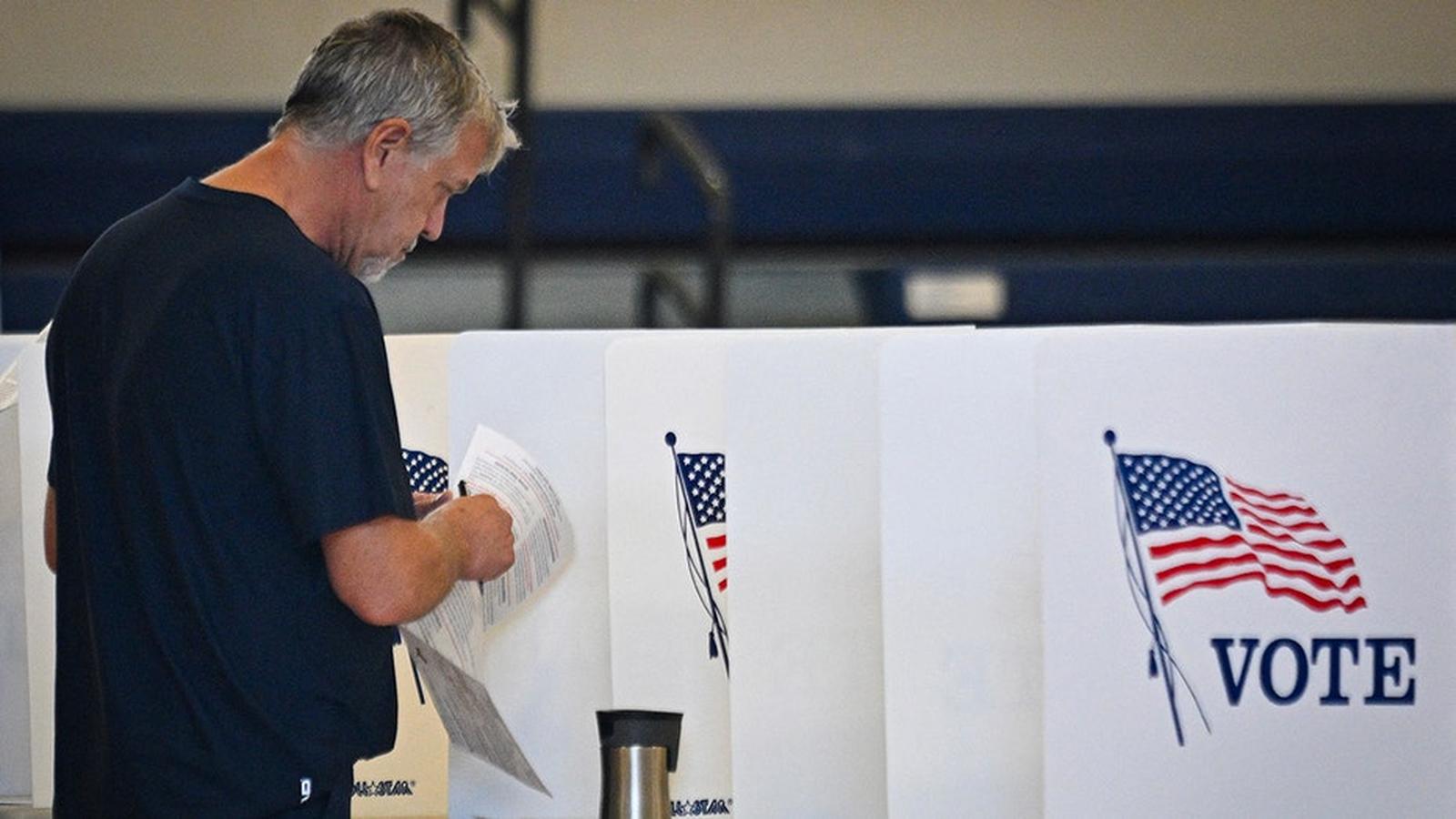
Millions of Americans are casting ballots on Tuesday in the high-stakes 2026 midterm elections, with cost-of-living pressures and economic frustration dominating the national political landscape. According to a Fox Business report, six in 10 voters cite the rising cost of living as their top economic concern as they head to the polls. The elections will determine control of Congress, the future of President Donald Trump’s legislative agenda, and the balance of power across statehouses nationwide.
With all 435 seats in the U.S. House of Representatives, 35 Senate seats, 36 governorships, and more than 6,100 state legislative positions on the ballot, voter sentiment is heavily shaped by persistent inflation and consumer debt. Data from Patch shows that early voting has already surged, with more than 50.8 million Americans having cast ballots ahead of Tuesday, running roughly 15% ahead of the 2022 pace across 47 reporting states.
Economic Pressures and Fuel Prices
Consumer price index (CPI) inflation stood at 3.7% year-over-year in September, remaining well above the Federal Reserve’s 2% target. Analysts point out that while overall inflation has eased from its post-pandemic peak of 9.1% in June 2022, everyday household expenses have settled onto an uncomfortably high new plateau. Gasoline and diesel prices have played an outsize role in voter dissatisfaction, driven higher by supply pressures and the ongoing Iran war. According to Ben Lieberman, a senior fellow at the Competitive Enterprise Institute, motor fuel prices are a critical metric for consumers because they track costs down to a fraction of a cent.
“You can look at overall household budgets and motor fuels are only a part of that, but it’s the one thing that we know what we pay for down to the tenth of a penny, so it has an outsize influence on how people feel about the economy and whether things are affordable,” Lieberman told Fox Business. Economists also note that aggressive federal tariffs and elevated consumer borrowing costs—including high mortgage rates, auto loans, and credit card balances—have strained household budgets and limited financial savings.
Political Stakes and Early Voting Dynamics
The economic squeeze has created severe political vulnerabilities for Republicans, who campaigned on lowering prices and improving financial well-being. High shipping and agricultural costs, compounded by surging diesel prices, have made traditionally conservative districts in states like Iowa, Kansas, Ohio, and Texas unusually competitive for Democrats. AFL-CIO President Liz Shuler told Patch that voters are facing a double whammy of rising expenses and paychecks failing to keep pace.
At the same time, government corruption has emerged as a secondary voter concern. A Harris Poll conducted for The Guardian found that nearly 9 in 10 respondents consider corruption a major problem, with 76% believing elected officials prioritize self-enrichment over economic support for ordinary citizens. As election day unfolds, the immense turnout—including over 27 million in-person votes and 23.7 million mail-in ballots—will ultimately decide whether Democrats gain legislative leverage or Republicans maintain their grip on Washington.