


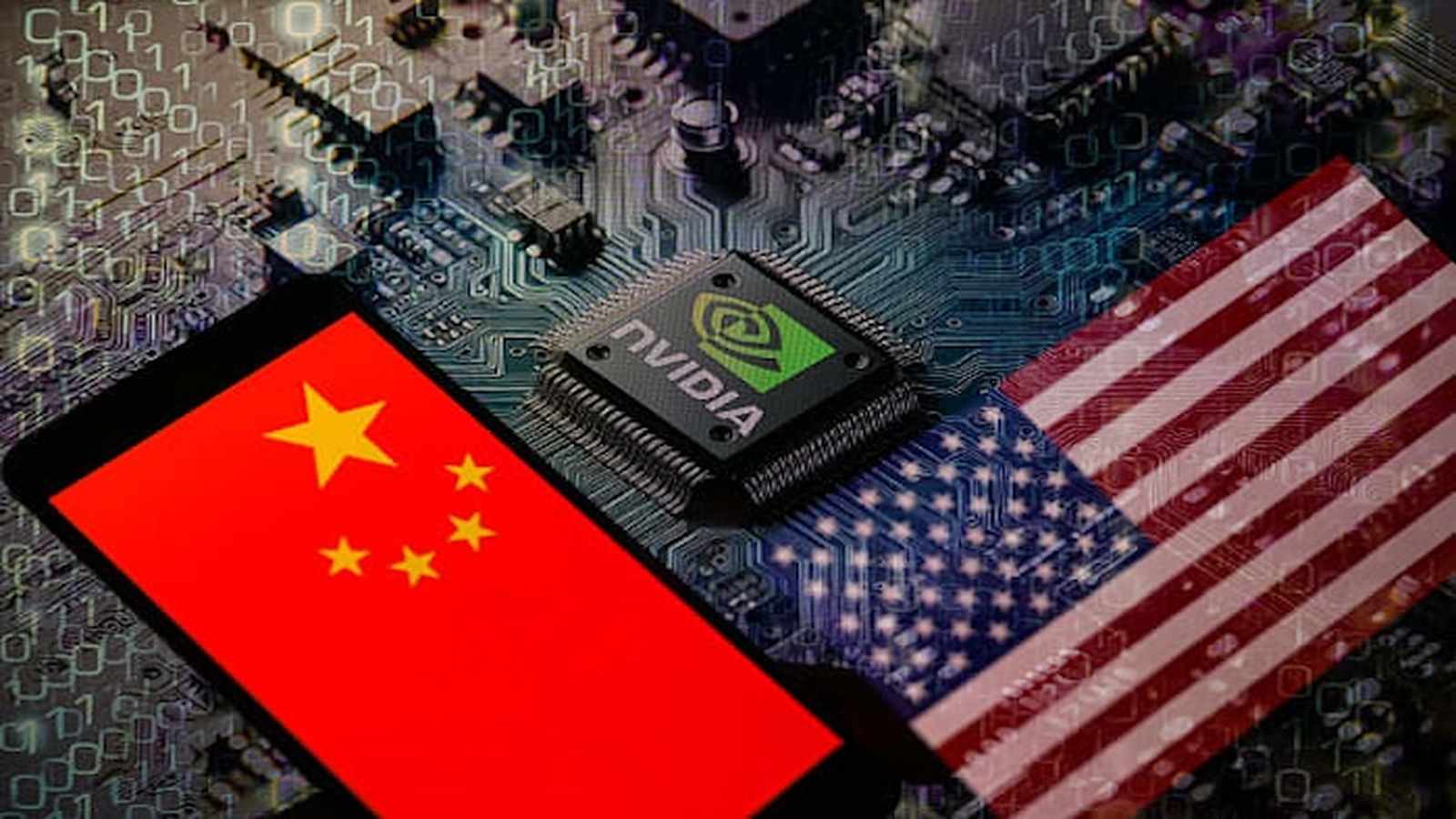
The United States Department of Commerce approved the export of nearly 900,000 advanced artificial intelligence chips to Chinese companies between December 2025 and May 2026, according to congressional disclosures released on November 19, 2026. House Foreign Affairs Committee Chair Brian Mast reported by The Verge exercised legislative authority under the Export Control Reform Act to make the licensing data public as lawmakers step up scrutiny over federal technology controls.
The export approvals covered 879,000 chips manufactured by major American semiconductor firms Nvidia and AMD, Al Jazeera reported. According to committee documents, applicants had sought permission to ship 3.4 million chips to China during the six-month period. The approved transactions included 75,000 chips designated for Alibaba, 150,000 for Tencent, 43,000 for Baidu, and 4,000 for BYD. All four Chinese companies feature on the Pentagon’s roster of alleged Chinese military-backed organizations.
Scrutiny Over National Security Reviews
The unusual disclosure of licensing information arrives amid heightened political debate regarding technology policy and federal oversight. Lawmakers from both parties have questioned whether the Commerce Department conducted rigorous national security assessments before greenlighting shipments of high-performance hardware, such as Nvidia’s H200 and AMD’s equivalent MI325X chips.
Ranking Member Gregory Meeks noted that amid license review delays, the agency appeared to clear advanced chip licenses for China with limited scrutiny. Chris McGuire, a former US official and expert on US-China technology competition, called the proportion of shipments directed to military-designated firms astonishing, questioning the depth of the administration’s national security evaluations.
Industry Context and Market Reaction
The transparency push coincides with broader controversies surrounding Nvidia, including executive departures and heightened concern over illicit smuggling of advanced semiconductors into China. The Trump administration previously rolled back stricter export rules established under former President Joe Biden, permitting Nvidia to resume shipping select advanced processors under controlled conditions.
Nvidia stated that its export approvals were subject to strict conditions and limited volumes, noting that despite acquiring certain licenses, it has since halted shipments of H200 processors to China. AMD did not immediately provide comment on the disclosures. Following the release of the committee documents and broader market pressures, semiconductor equities declined, with Nvidia shares falling 3.3 percent and AMD shares dropping 7.7 percent.