


Strategic Consolidation of Streaming Assets
Fox Corporation finalized its $22 billion acquisition of streaming platform Roku on Friday, November 6, 2026, marking a significant consolidation in the connected television industry. The transaction, which closed months ahead of the originally projected 2027 timeline, integrates Roku’s extensive streaming platform with Fox’s existing digital properties. Following the completion of the deal, Roku shares have ceased trading on the Nasdaq, and the company has launched a new unified division, Fox Digital Platforms, to oversee its combined streaming portfolio.
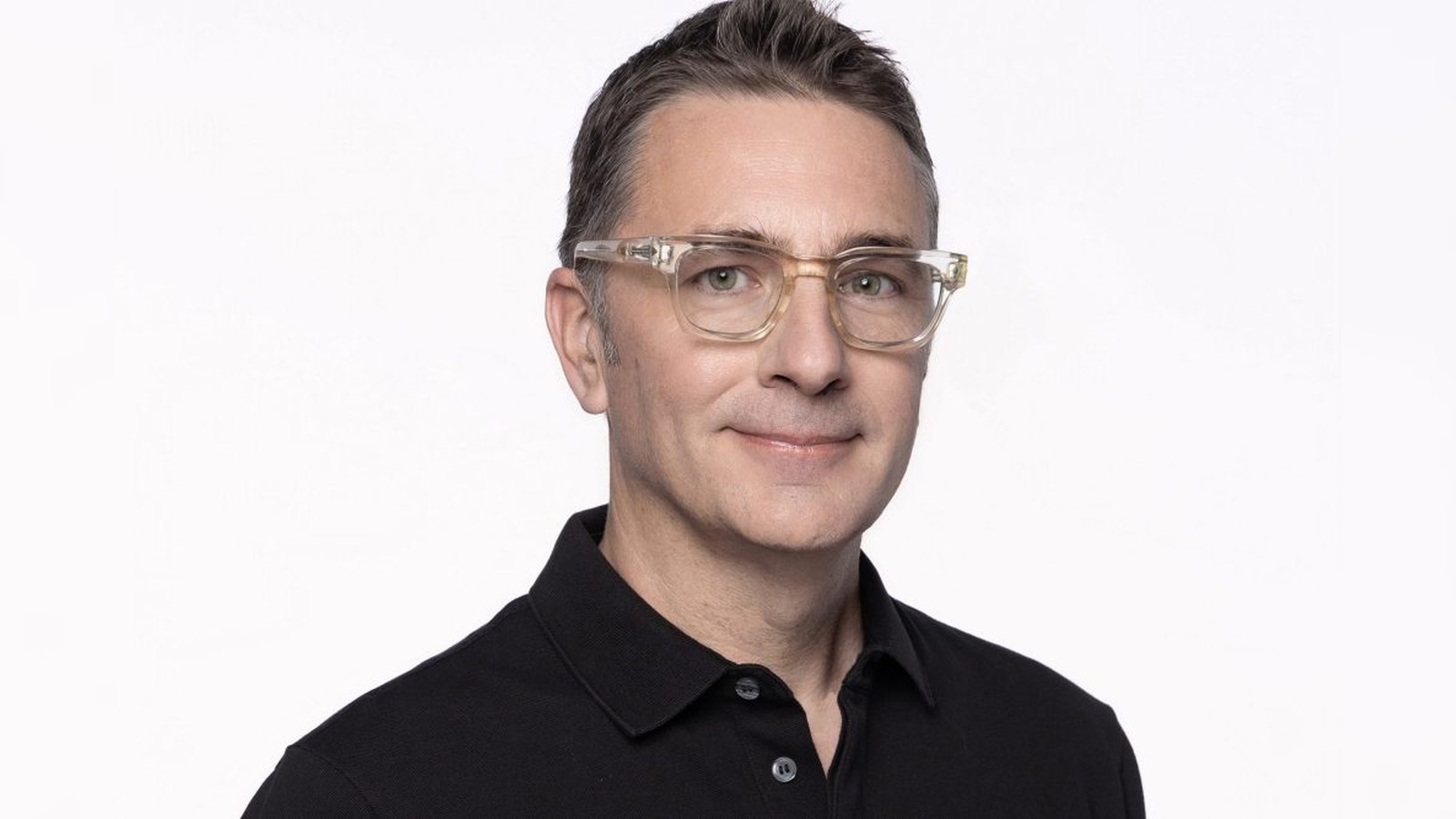
As part of the integration, Fox announced a major restructuring of its leadership team. Paul Cheesbrough, previously a key architect of Fox’s digital transformation, has been named co-chair and CEO of the newly formed Fox Digital Platforms division. He will lead the unit alongside Anthony Wood, the founder of Roku, who is stepping down from his role as Roku’s CEO to join the Fox board of directors and serve as the division’s co-chair, as Variety reported. The division will consolidate several assets, including the Roku platform, the free ad-supported streaming service Tubi, and Red Seat Ventures.
Leadership Departures and Structural Shifts
The consolidation has triggered significant personnel changes. According to a memo viewed by Business Insider, several high-ranking executives are exiting the company. Charlie Collier, the president of Roku Media, and general counsel Chris Handman are departing, as is Robyn Peterson, executive vice president of the ad-tech platform AdRise. Furthermore, Anjali Sud, the CEO of Tubi, is leaving to pursue an external role, though she will assist in the transition phase.
Under the new structure, Mustafa Ozgen has been appointed as the new CEO of Roku. Pete Distad will continue to lead Fox’s broader streaming business, which now encompasses Tubi and the live-streaming service Frndly TV. Fox executives have stated that they anticipate achieving approximately $400 million in annual cost savings within the next two years as a result of the merger. The company’s primary objectives remain focused on scaling its advertising business and expanding its reach in the competitive free ad-supported television (FAST) market, where it now controls two of the largest services in the United States.