


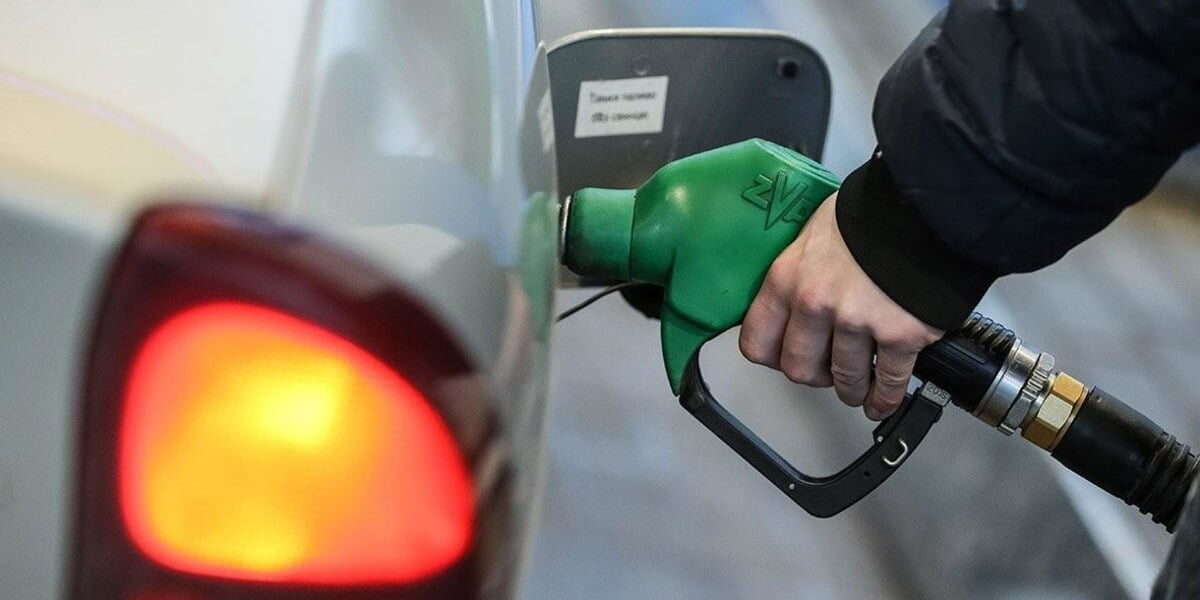
US Gas Prices Reach Lowest Point Since 2021
At the start of December 2025, American drivers are seeing a familiar sight at the pump: falling gasoline prices. According to data from the American Automobile Association, the national average for a gallon of regular gasoline dropped to $3.00, marking the lowest level since May 2021 (Bloomberg).
But while this four-year low is a relief for many, it comes with a caveat. The price is still significantly higher than the sub-$2.00 per gallon mark once promised by President $1 Trump. Despite the current downturn, that symbolic threshold remains out of reach.
What’s Behind the Decline? Cheap Oil and Flat Demand
The driving forces behind this price drop are fairly straightforward: global oil prices have remained depressed, and US demand for gasoline has plateaued. This combination has created a market where supply comfortably meets, and at times even outpaces, consumer needs.
Oil prices, a core determinant of gasoline costs, have been under pressure throughout 2025 due to increased production and weaker-than-expected demand in both domestic and international markets. As a result, refiners have been able to pass on savings to consumers, although not as dramatically as some political promises suggested.
How Does This Compare Historically?
To put the current figures in perspective, gasoline prices in May 2021 averaged around $3.05 per gallon, with intermittent spikes and dips over the years since. The latest drop to $3.00, while notable, is not unprecedented. In fact, it echoes previous cycles where global oil surpluses and economic slowdowns have temporarily relieved consumer costs at the pump.
However, the $2.00 per gallon milestone has become something of a political and economic touchstone. For many Americans, especially those in rural or commuter-heavy regions, the difference between $3.00 and $2.00 per gallon is more than just a number—it affects monthly budgets and shapes perceptions of economic well-being.
Promises vs. Reality: The $2 Gasoline Question
In the lead-up to the 2020 election, President Donald Trump repeatedly pledged to bring US gasoline prices below $2 per gallon. The idea was simple: cheaper fuel would ease the financial burden on households and businesses alike. Yet, as of late 2025, that promise remains unfulfilled, even as market factors have pushed prices lower than any time in the past four years.
Why hasn’t the $2 mark been reached? Industry experts point to a range of factors. Even with cheaper oil, other costs—including refining, distribution, and state taxes—keep the pump price elevated. Additionally, global events, such as supply chain disruptions or geopolitical tensions, can quickly reverse downward trends.
For drivers, the result is a mixed bag: relief at the pump, but not enough to declare a full victory. For policymakers, it’s a reminder that energy markets are shaped by forces far beyond campaign promises.
Regional Differences and Consumer Impact
It’s important to note that the national average masks significant regional variations. In some states, particularly those with higher taxes or limited refining capacity, prices remain well above $3.00. Meanwhile, regions closer to major oil production hubs may see slightly lower costs.
For consumers, even modest drops can make a difference. Lower gasoline prices often translate to increased disposable income, and can ripple through the economy by reducing transportation costs for goods and services. However, the benefits are unevenly distributed, and for many, the current relief still falls short of expectations.
Looking Ahead: Uncertainties Remain
As 2025 draws to a close, the outlook for gasoline prices remains uncertain. Industry analysts caution that market volatility, potential OPEC interventions, and changing consumer habits could all alter the trajectory in the months ahead.
For now, American drivers are enjoying the lowest prices in years, but the broader context—a global energy market in flux—means that today’s relief could be tomorrow’s challenge. Policymakers, industry leaders, and consumers alike will be watching closely for signs of further change.
Assessment: The recent dip in US gasoline prices reflects the powerful interplay between global oil markets and domestic demand. While consumers have benefited from lower costs, the elusive $2 per gallon target remains out of reach, underscoring the limitations of political promises when faced with complex economic realities. The situation highlights the need for nuanced energy policy and public understanding of market dynamics.