


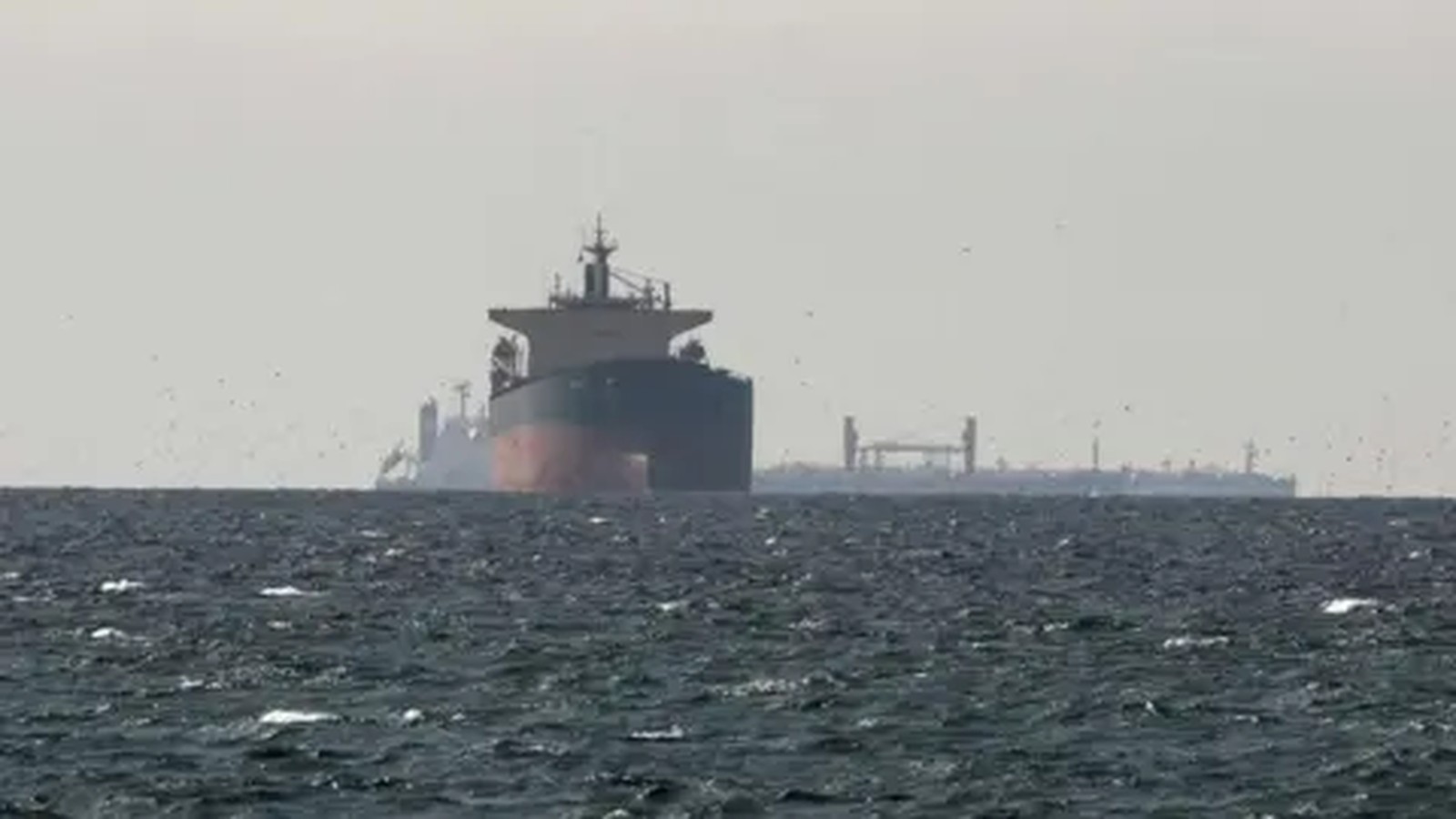
The United States military conducted retaliatory strikes against four Iranian targets on Friday, signaling a sharp escalation in tensions following an Iranian drone attack on a commercial cargo vessel in the Strait of Hormuz. U.S. Central Command confirmed the operation, characterizing the strikes on missile and drone storage facilities as a “powerful response” to Tehran’s “dangerous behavior.”
Strait of Hormuz Crisis
The military engagement marks the first direct American strike on Iran since the two nations agreed to extend a tenuous ceasefire last week. The trigger for the U.S. response was a drone strike Thursday on the Singapore-flagged cargo ship Ever Lovely. President Trump described the attack as a “foolish violation” of the existing memorandum of understanding, noting that while U.S. forces intercepted three drones, one struck the vessel, causing damage.
The maritime situation remains volatile. According to the United Nations’ International Maritime Organization, approximately 115 vessels and 2,500 sailors have evacuated the Persian Gulf region since Tuesday. Disagreements over navigation routes persist; while the U.S. and Oman have advocated for temporary shipping lanes, Tehran insists that all vessels must coordinate transit through routes closer to the Iranian coastline.
Stakes for the Ceasefire
Vice President JD Vance emphasized that the U.S. remains committed to the ceasefire, but warned that “violence will be met with violence.” The diplomatic framework is currently under immense strain, as Washington and Tehran remain deadlocked on core issues, including the control of the strait and the terms regarding the release of frozen Iranian funds, which President Trump has suggested should be used exclusively for purchasing U.S. agricultural products—a condition Iranian officials have rejected.
Meanwhile, the broader regional landscape remains complex. Secretary of State Marco Rubio announced a framework for peace between Israel and Lebanon, though the agreement excludes Hezbollah. The militant group’s leader, Naim Qassem, has publicly rejected calls to disarm and continues to demand a complete Israeli withdrawal from Lebanese territory, framing the ongoing U.S.-Iran negotiations as a failure of Western policy.
Economic Implications
The uncertainty has rippled through global markets. Brent crude prices fell by roughly 4% on Friday as shipowners assessed the risks of transit, though analysts at DNB Carnegie noted that confidence remains fragile. As of Friday, U.S. officials indicated that retaliatory operations were ongoing, with the potential for further military friction as both sides interpret the memorandum of understanding through conflicting lenses.