


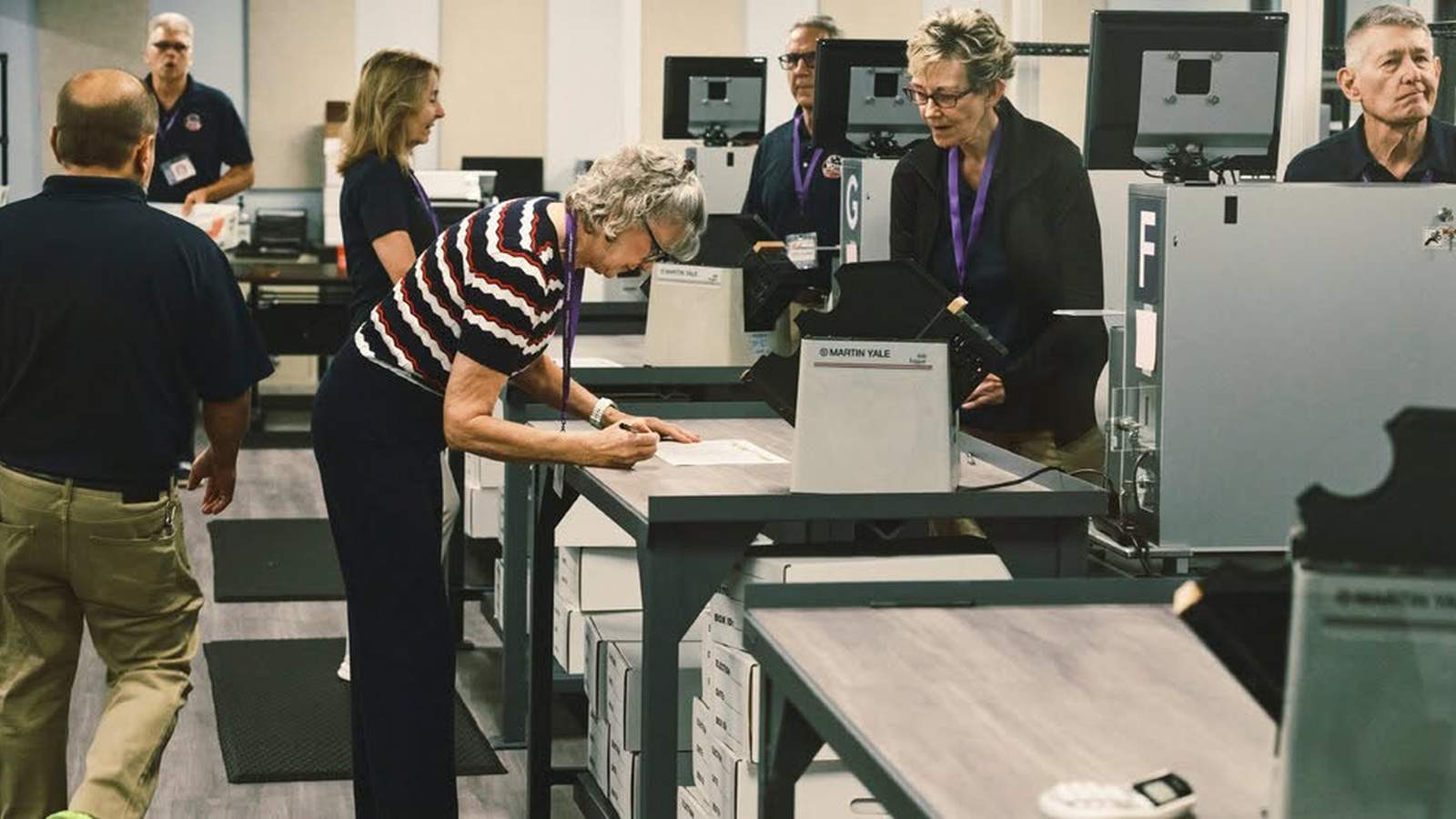
With exactly eight weeks remaining before November’s critical midterm elections in the United States, local election administrators across multiple states are adjusting operational workflows while managing public confusion over mail-in and absentee voting procedures. The administrative strain follows sustained legal challenges and high-profile presidential rhetoric questioning the integrity of voting by mail, as reported by The New York Times.
The central debate hinges on the operational distinction between universal mail-in voting—where states automatically mail ballots to all registered voters—and traditional absentee voting, which requires voters to submit a formal application before receiving a ballot. State election laws govern these procedures independently under the United States Constitution, resulting in a patchwork of regulations across the country. In states such as Ohio, election boards have already dispatched voter application forms for absentee ballots, whereas other jurisdictions operate under varying deadlines and validation requirements for voter registration rolls.
Local officials report that contrasting public messaging regarding mail ballot legitimacy has led to an influx of inquiries from voters seeking clarification on secure submission methods. Municipal election clerks are urging voters to verify their registration status early, pay close attention to state-specific submission deadlines, and utilize verified options such as certified mail or designated secure drop boxes provided by county boards of elections.
Legal challenges concerning voter roll maintenance, signature verification standards, and ballot processing timelines continue to proceed through federal and state courts. As election boards prepare for early voting periods, election officials emphasize that administrative deadlines are strictly governed by state statutes, leaving little room for procedural alterations this close to Election Day.