


Strategic Context and Planning Scope
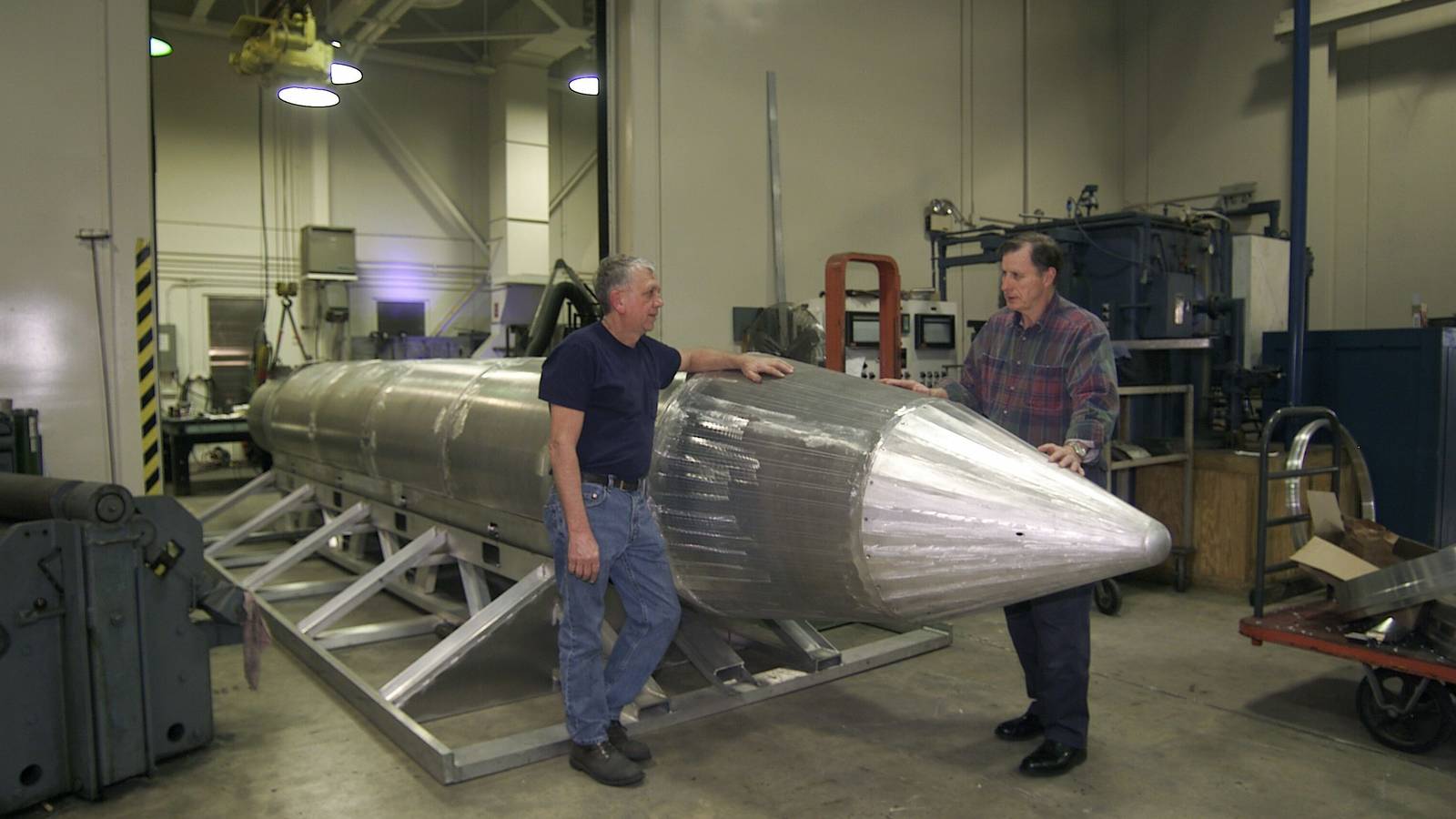
Military planners have reportedly moved beyond standard strike packages to include the 21,600-pound munition—frequently referred to as the “mother of all bombs”—should renewed combat operations be ordered. The weapon, containing approximately 8,500 kilograms of high explosives, has only been used once in combat, during a 2017 strike against an Islamic State cave complex in Afghanistan. Officials familiar with the discussions note that the planning encompasses sensitive Iranian assets, including sites near Pickaxe Mountain.
However, the inclusion of the MOAB in potential target packages has sparked internal administration debates regarding its strategic utility. Defense analysts and officials have questioned whether a surface-burst munition can achieve meaningful military objectives against hardened underground targets, warning that the deployment could serve more as political theatre than a decisive military maneuver.
Capabilities and Technical Limitations
Military experts consulted by Al Jazeera emphasize that the MOAB is fundamentally an air-burst weapon designed for surface area clearance rather than deep penetration. Colonel Nidal Abu Zeid noted that while the massive blast destroys exposed surface structures and ground positions within a one-kilometer radius, it is not engineered to punch through deep mountain rock or concrete in the manner of dedicated bunker-busting weapons, such as the GBU-57 Massive Ordnance Penetrator.
Brussels-based military expert Elijah Magnier pointed out that deep underground installations like Iran’s Fordow complex or the under-construction site at Pickaxe Mountain are heavily fortified, raising doubts about whether the MOAB can neutralize buried nuclear infrastructure effectively. Furthermore, operational constraints remain, as the munition must be deployed from large cargo aircraft like the Lockheed C-130 Hercules rather than stealth bombers capable of operating easily in contested airspace.
Regional Stakes and Potential Fallout
The consideration of such high-profile conventional firepower carries significant regional escalation risks. Security analysts warn that a MOAB strike could provoke a severe military response from Tehran, including potential actions targeting neighboring countries that host US military assets. Tensions in the region have remained acute, underscored by previous maritime incidents near the Strait of Hormuz and disputed incursions involving Islamic Revolutionary Guard Corps forces.
As Washington evaluates its next steps, critics argue that deploying the massive weapon risks escalating the conflict without securing long-term political concessions or a stable settlement from Tehran.