


US Military Officials in Kyiv Amid Peace Plan Rumors
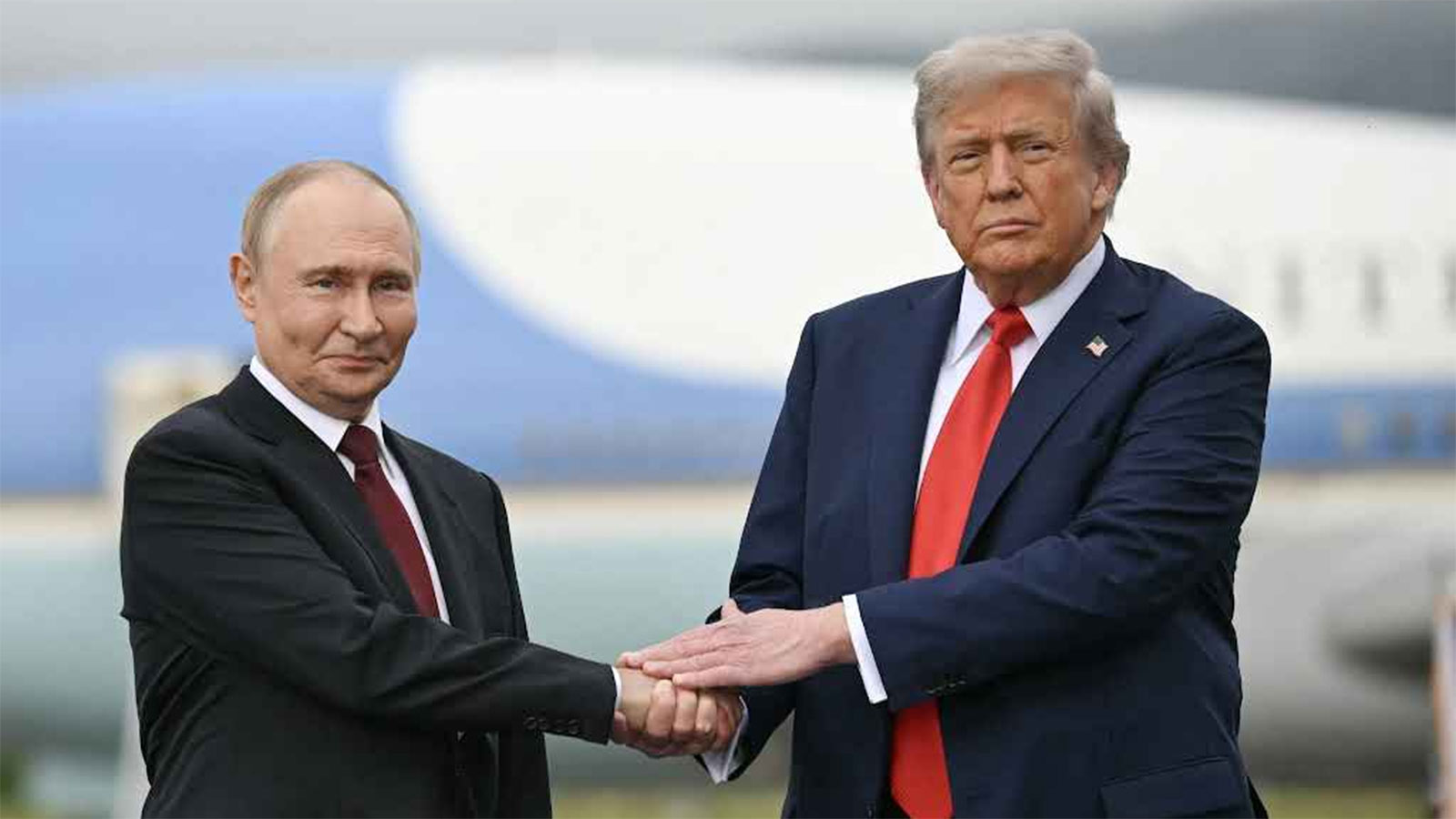
Kyiv’s streets felt the weight of history in the making as a high-level US military delegation, led by Army Secretary Dan Driscoll, arrived in the Ukrainian capital. Their mission: to discuss, face-to-face with Ukrainian leaders, efforts to end a war that has scarred the region for nearly three years. But behind these official meetings, whispers of a controversial peace proposal began to ripple through the corridors of power in both Kyiv and Western capitals.
The reported peace plan, drafted by US special envoy Steve Witkoff and Russian sovereign fund chief Kirill Dmitriev, has not been officially acknowledged by either Washington or Moscow. Yet, according to Reuters, Axios, and the Financial Times, the core details have already set off alarms: Ukraine would be asked to give up more of its eastern Donbas territory, reduce its armed forces by half, and relinquish certain classes of weapons—especially those capable of striking deep into Russia. The plan also reportedly calls for Kyiv to recognize Russian as an official language and grant formal status to the Russian Orthodox Church, moves seen as major steps toward ‘Russification’ of Ukraine’s identity.
Deep Skepticism in Kyiv and European Capitals
President Volodymyr Zelensky, still steadfast in his opposition to territorial concessions, was not involved in drafting the proposal. Nor, for that matter, were his European allies. In a pointed statement, EU foreign policy chief Kaja Kallas warned that any lasting peace must include the voices and interests of both Ukrainians and Europeans. French Foreign Minister Jean-Noël Barrot echoed this sentiment, insisting that Ukraine would not accept a “capitulation” disguised as compromise.
The absence of Ukrainian and European input has only deepened suspicion. As the plan reportedly originated from weeks of quiet meetings in Miami between Witkoff and Dmitriev, it’s no wonder many in Kyiv feel the rug is being pulled out from under them. “The Ukrainians do not want any form of capitulation,” Barrot stated, reflecting a common sentiment across Europe’s leadership.
Meanwhile, Secretary of State Marco Rubio’s cryptic remarks on social media did little to clarify the US position. He acknowledged that peace would require “difficult but necessary concessions,” but stopped short of confirming the plan’s specifics, emphasizing instead the need for a “durable peace” with input from both sides of the conflict.
Inside the Proposed 28-Point Deal
The 28-point framework, as reported by multiple outlets, would force Ukraine to make a series of drastic concessions. Aside from territorial losses, the plan would require Kyiv to cut its military drastically and potentially halt all US military assistance. A particularly contentious provision would ban the future deployment of Western troops to Ukraine—a move likely to satisfy Russian concerns but leave Kyiv feeling vulnerable.
On the cultural front, the demands for official recognition of the Russian language and church have drawn fierce criticism within Ukraine, where such issues are deeply tied to national identity and sovereignty. These measures are seen not just as security concessions, but as steps toward erasing the progress Ukraine has made since 2014 in asserting its independence from Moscow’s influence.
In exchange, the US and Europe would reportedly offer Ukraine security guarantees, though details remain vague. The specter of the 1994 Budapest Memorandum—where Ukraine gave up its nuclear arsenal in exchange for security assurances later violated by Russia—looms large in every discussion of new guarantees. Many in Kyiv remain deeply skeptical about the reliability of such promises.
Realities on the Ground: War Continues as Diplomacy Stalls
As diplomats and generals discuss possible ceasefires, the war grinds on. On the same day reports of the peace plan emerged, Russian missile and drone strikes killed at least 26 people in the western city of Ternopil, with dozens more missing. President Zelensky, who was in Turkey at the time, reportedly canceled planned talks with Trump’s envoy in Ankara following the attack—a sign of the deep mistrust and volatility still shaping the conflict’s diplomatic landscape.
Despite the rumors, the official US military visit to Kyiv has so far focused on “fact-finding” and assessing the situation on the ground, according to Army spokesman Col David Butler. Ukrainian Prime Minister Yulia Svyrydenko described the visit as an opportunity for US officials to “see the consequences of Russian aggression” firsthand. After meeting with Driscoll and his team, Ukrainian Defence Minister Denys Shmyhal emphasized steps for implementing defense agreements already reached with the US, rather than discussing the rumored peace framework.
Still, an unnamed Ukrainian official told CBS that there was agreement between Presidents Zelensky and Trump to “stop the conflict along the existing lines of engagement,” with talks about security guarantees underway. But the Kremlin remains firm: Moscow’s conditions for peace—territorial concessions, military reductions, and Ukrainian neutrality—have not shifted since President Putin articulated them in 2024. For many in Kyiv, these demands remain simply unacceptable.
Even as the diplomatic dance continues, the White House confirmed that its special envoy to Ukraine, Keith Kellogg, would leave his post in January, ending a tenure marked by steady advocacy for Ukraine despite shifting US political winds.
Assessment: The emergence of this draft peace plan underscores a stark reality: while the world hungers for an end to the violence, there is no consensus on what peace should look like. The plan’s heavy tilt toward Russian demands, exclusion of Ukrainian and European voices, and echoes of past broken promises have left Kyiv and its allies deeply wary. Until all stakeholders are brought to the table—and their security, sovereignty, and dignity are genuinely addressed—any proposal, no matter how well-intentioned, is unlikely to bring true or lasting peace.