


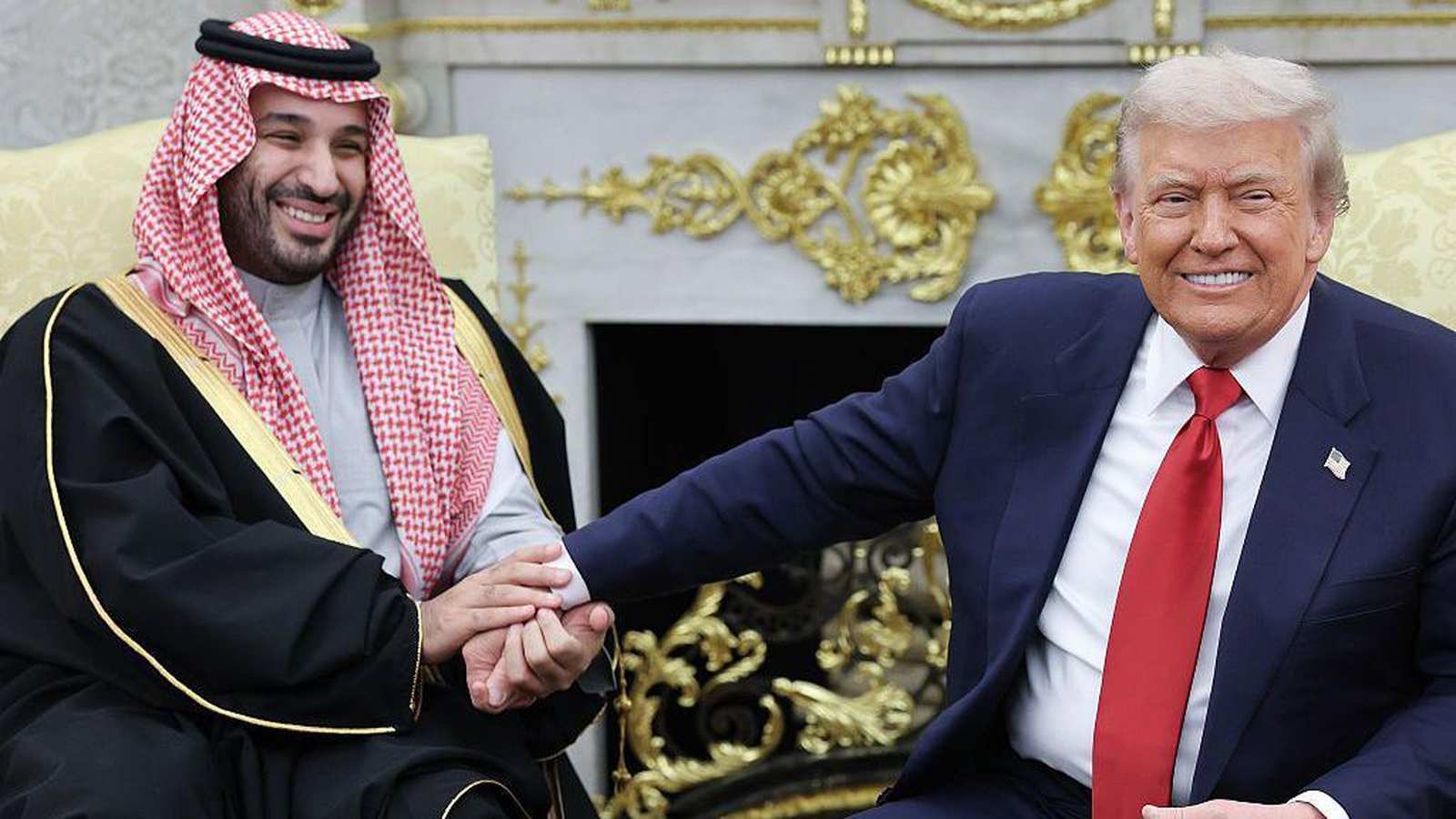
A Strategic Energy Partnership
The United States and Saudi Arabia have formally signed a commercial nuclear deal that paves the way for the development of a civilian nuclear program on Saudi soil. The agreement, announced Wednesday by the U.S. Department of Energy, marks a significant shift in bilateral relations, aiming to boost Saudi energy capacity while deepening commercial ties between the two nations.
U.S. Energy Secretary Chris Wright and Saudi Minister of Energy Prince Abdulaziz bin Salman signed the framework, which includes both a peaceful nuclear cooperation agreement and a safeguard agreement. According to the U.S. Department of Energy, these documents are intended to establish a multibillion-dollar partnership that relies on American nuclear technology and scientific expertise.
The Scope of Cooperation
While the specific text of the agreement has not yet been released, officials have confirmed that the deal is designed to foster energy supply for civilian purposes, such as powering the kingdom’s growing artificial intelligence data centers. The agreement creates a pathway for potential uranium enrichment within Saudi Arabia, though the U.S. government maintains that this process would be strictly controlled by a contracted corporation and would only proceed following a comprehensive, lengthy study.
Westinghouse Electric Company, a primary U.S. contractor, has already signaled its intent to assist in developing the Saudi nuclear sector. The deal is framed by the Trump administration as a mechanism to uphold the highest standards of nonproliferation while ensuring that U.S. industry remains at the forefront of global nuclear infrastructure development.
Geopolitical and Economic Stakes
The agreement serves as a strategic counterweight to influence from China and Russia, both of which have been aggressively competing for nuclear development contracts in the Middle East. Russia has already successfully established nuclear facilities in Egypt and Turkey, and China had previously sought a similar agreement with Riyadh.
The deal comes during a period of heightened regional tension, particularly regarding the ongoing conflict involving Iran. While the administration describes the pact as a commercial and energy-focused initiative rather than an overt foreign policy move, the strengthening of the U.S.-Saudi alliance serves to reassure regional partners of American security commitments. Iran, which maintains its own civilian nuclear program, is expected to view the deal with concern, potentially intensifying regional rivalries regarding nuclear transparency and proliferation.
Congressional Oversight
In accordance with the Atomic Energy Act of 1954, the agreement must now undergo a formal review process in the U.S. Congress. While the deal is expected to face opposition from some lawmakers, current reporting suggests that there may not be sufficient votes to block the administration from implementing the agreement. The framework builds upon foundations laid during the Biden administration, which had initially tied such cooperation to broader regional diplomatic goals, including the potential normalization of relations between Saudi Arabia and Israel—a process that was stalled by the onset of the war in Gaza.