


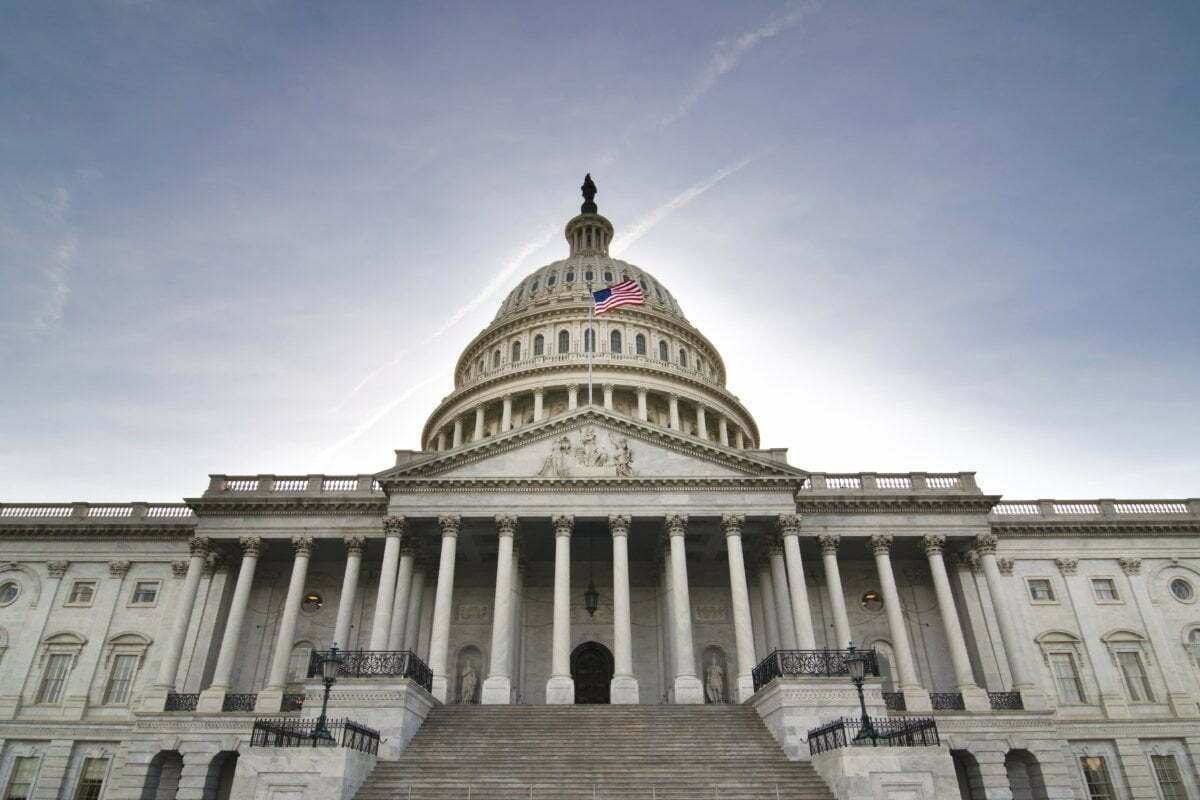
A Legislative Crossroads for Digital Finance
The U.S. Senate is set for a pivotal procedural vote on the Digital Asset Market Clarity Act, a 600-page legislative package that seeks to establish the first comprehensive federal framework for the American cryptocurrency sector. The bill, which previously passed the House, requires 60 votes to overcome procedural hurdles, necessitating support from all 53 Senate Republicans and at least seven Democratic or Independent members, as reported by NPR.
At the center of the debate is the proposed division of oversight between the U.S. Securities and Exchange Commission (SEC) and the Commodity Futures Trading Commission (CFTC). While the bill aims to provide legal certainty, it grants the CFTC—a smaller regulator—primary authority over digital commodities. Critics, including Sen. Elizabeth Warren (D-Mass.), have argued that the legislation fails to protect investors and national security adequately, while proponents like Coinbase’s chief policy officer, Faryar Shirzad, argue that it aligns the U.S. with other G20 nations in providing the regulatory certainty necessary for industry growth.
The Ethics Impasse and Political Maneuvering
The path to passage has been complicated by political tensions surrounding potential conflicts of interest. Following reports that President Trump and his family earned $1.4 billion from crypto ventures last year, Democrats have pushed for stricter ethics clauses. In response, Republican leadership has unveiled revised language that would bar federally elected officials and their spouses from issuing their own cryptocurrencies—a move that would effectively force the sunsetting of the $TRUMP meme coin.
Legal experts remain divided on the bill’s practical impact. Felix Shipkevich, a law professor at Hofstra University, noted via Yahoo Finance that the legislation could clarify jurisdiction between the SEC and CFTC, potentially ending a decade of “regulation by enforcement.” However, former CFTC senior trial attorney Braden Perry cautioned that the bill might create a “gap in practice” if the CFTC is not provided with sufficient funding to manage its expanded mandate.
Broader Market and Sectoral Stakes
Beyond federal oversight, the bill faces opposition from the banking sector, particularly community banks. The Independent Community Bankers of America has raised concerns regarding stablecoin incentives, arguing that rewards such as interest payments pose a competitive threat to traditional financial institutions. As Congress faces a compressed schedule ahead of the November midterm elections, the failure to secure the 60-vote threshold could leave the industry in the “gray zone” of regulation for the foreseeable future.