


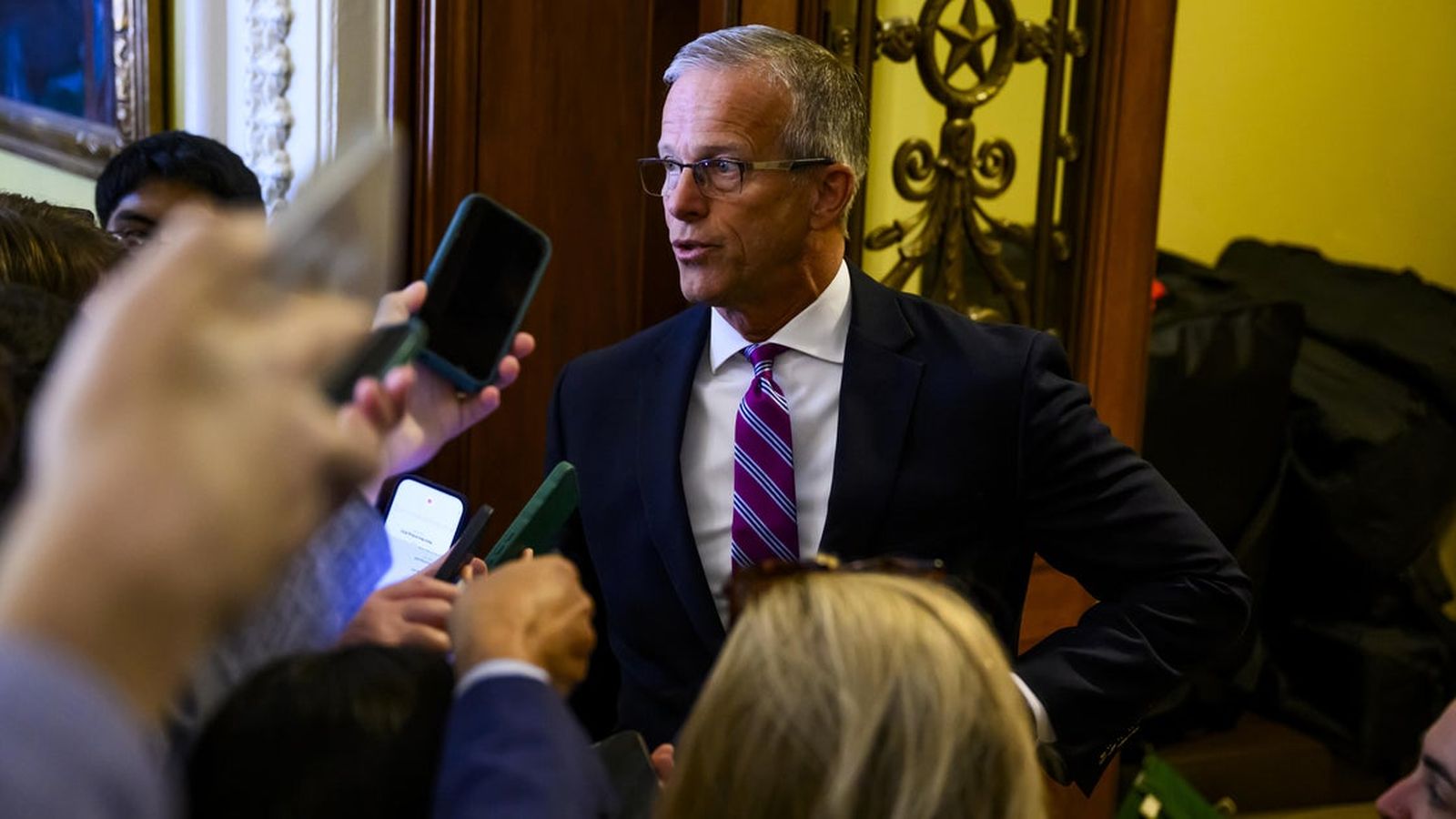
Legislative Deadlock in the Senate
The U.S. Senate failed to advance the “Clarity Act” on Tuesday, a significant piece of legislation intended to establish a comprehensive regulatory framework for the cryptocurrency industry. The procedural vote, which required 60 votes to overcome a filibuster, concluded with 49 votes in favor and 50 against, effectively stalling the bill as lawmakers prepare to depart Washington for the upcoming election cycle, according to CBS News.
Senate Majority Leader John Thune, a Republican from South Dakota, had championed the bill as the “next logical step” following the previous passage of the Genius Act, which regulated stablecoins. Thune argued the Clarity Act would provide necessary regulatory harmony by clearly delineating the jurisdictions of the Commodity Futures Trading Commission (CFTC) and the Securities and Exchange Commission (SEC). He emphasized that the legislation included over 100 changes requested by Democrats to ensure that digital asset companies remain subject to existing financial laws.
The Ethics Impasse
Despite these concessions, the bill faced unified opposition from the Democratic caucus and four Republicans. The primary point of contention centered on ethics provisions concerning potential conflicts of interest for the President and his family. Senator Elizabeth Warren of Massachusetts led the opposition, arguing that the bill’s current language regarding crypto-related profits was insufficient.
“This bill poses a massive risk to families, to our economy and to national security,” Warren said on the Senate floor, as reported by CBS News. Warren contended that the legislation contained “a tiny little fig leaf” of anti-corruption measures that would not prevent President Donald Trump from continuing to benefit from his extensive personal crypto ventures, which reportedly generated $1.4 billion in income last year.
Market Impact and Future Outlook
The failure of the vote sent an immediate ripple through the financial markets. According to CNBC, the price of bitcoin fell by 3% following the announcement, while shares of major industry players like Coinbase and Circle slid by 8% and 10%, respectively. Industry analysts view the outcome as a major blow to the crypto sector’s push for legal clarity before the 2026 elections.
Senator Ruben Gallego, a key Democratic negotiator, expressed frustration that the ethics compromises offered by Republicans were not substantial enough to secure necessary bipartisan support. With the Senate scheduled to leave Washington in early October, the defeat effectively closes the window for major market structure legislative work in the current session. The political fallout may continue, with reports suggesting that Fairshake, a prominent crypto political action committee, could redirect its funding to challenge senators who voted against the measure.