


Venus and the Crescent Moon: A Dawn Worth Waking Up For
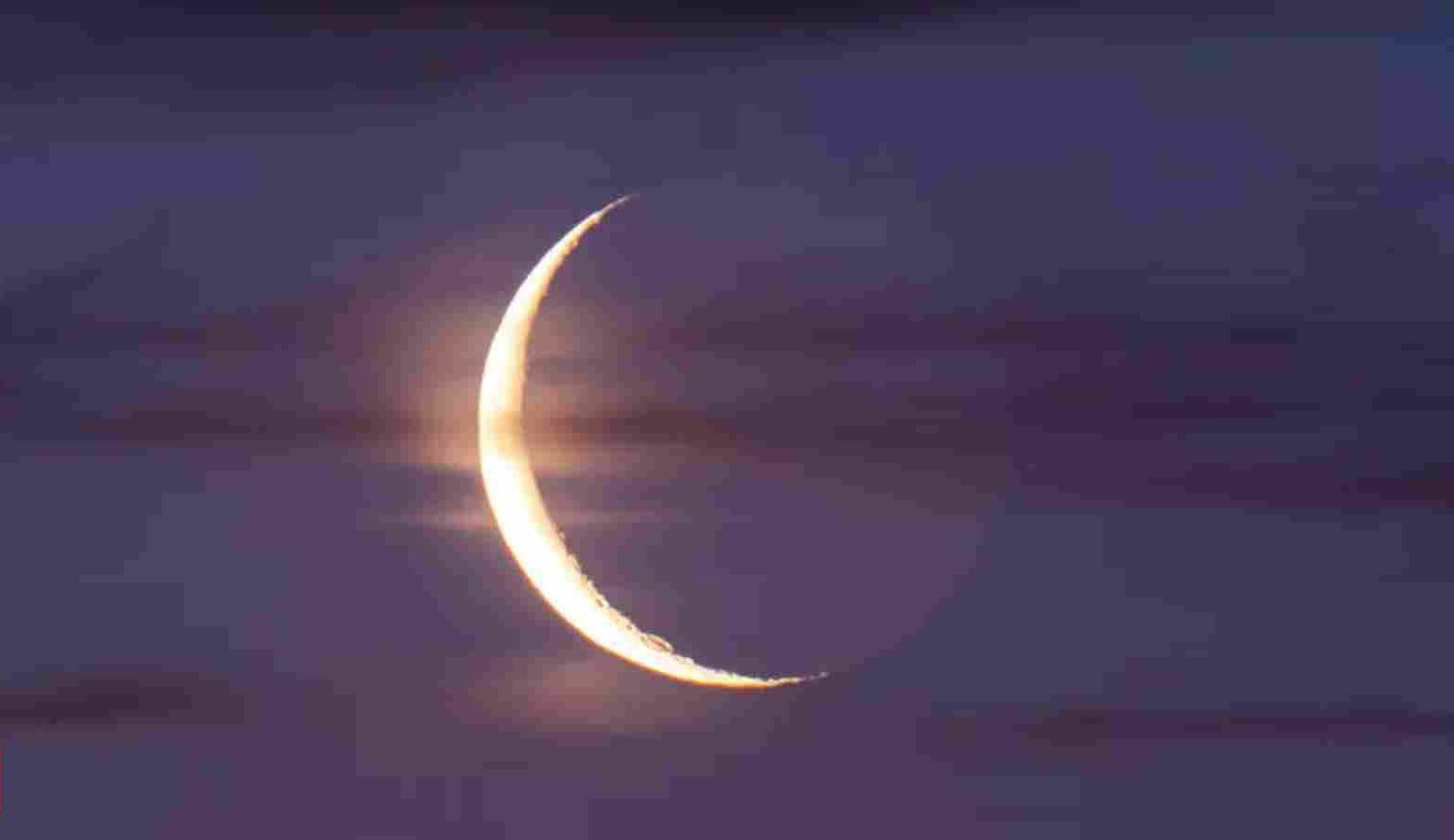
If you happened to rise before the sun on September 19, you were treated to a cosmic show that blurred the line between science and poetry. High above the eastern horizon, the moon—just a razor-thin crescent, barely 2% illuminated—hovered intimately close to Venus. For skywatchers, this proximity was more than mere chance; it was the universe arranging a rendezvous that would become the talk of astronomical circles worldwide.
Venus, often called the “morning star” for its luminous presence before sunrise, was less than a degree beneath the moon. To grasp just how close that is, hold up a little finger at arm’s length; that’s about the same separation you saw in the sky. Alongside this duo, the bright blue-white star Regulus, the alpha of the Leo constellation, completed the triangle—a pattern that’s both mathematically precise and visually breathtaking.
Regulus and Jupiter: Completing the Celestial Chain
While Venus and the moon stole the spotlight, another planet was quietly making its own statement. Jupiter, the largest planet in our solar system, shone high to the upper right of the moon, embedded in Gemini. Flanked by its own stellar companions—Castor and Pollux—Jupiter’s presence offered observers a chance to trace a path from the moon, past Venus and Regulus, up toward the giant’s glow. The sky itself became a kind of natural map, guiding the eye from one marvel to the next.
This alignment is rare not just for its beauty but for its astronomical significance. As reported by Reuters, such close groupings allow scientists to refine measurements of planetary orbits and study the interplay between stars and planets. For the casual observer, though, it’s simply a chance to marvel at the grandeur overhead.
The Magic of Earthshine: Seeing the Hidden Face of the Moon
Beyond the obvious brilliance of Venus and Regulus, another phenomenon added subtlety to the spectacle: Earthshine. Sometimes called the “Da Vinci glow,” Earthshine is a gentle, bluish-grey light that illuminates the shadowed portion of the moon. It’s sunlight reflected off Earth and bounced back onto the lunar surface, revealing details—ancient volcanic plains known as maria—that would otherwise remain hidden.
This soft glow is best seen during the days leading up to and after a new moon, when the lunar crescent is so thin that the rest of the disc is bathed in Earth’s reflected light. It’s a reminder that even in darkness, there is light—sometimes, from unexpected places.
The Occultation: Venus Disappears Behind the Moon
For those in Europe, Asia, Russia, Canada, and parts of Africa, the morning brought an even rarer treat: the occultation of Venus. In this fleeting event, the moon passed directly in front of Venus, hiding the planet’s bright light from view. According to data from in-the-sky, the occultation began at 6:34 a.m. ET (1034 GMT) and ended at 10:26 a.m. ET (1426 GMT). The sudden disappearance—and reemergence—of Venus behind the crescent moon created a sense of cosmic drama, a celestial hide-and-seek witnessed by only those lucky enough to be in the right place at the right time.
Occultations are more than just visual wonders. As noted by Economic Times, astronomers use these events to fine-tune our understanding of planetary positions and lunar movement, making each occurrence a valuable scientific opportunity.
How to See the Alignment: Practical Tips for Skywatchers
The best way to experience this spectacle? Rise early—about two hours before sunrise—and head somewhere with minimal light pollution. Rural fields, hilltops, or beaches will offer the clearest views. Bring binoculars or a telescope if you have one; while Venus shines bright enough for the naked eye, magnification reveals the moon’s craters, Regulus’ sharp sparkle, and the delicate glow of Earthshine.
Want to capture the moment? A tripod-mounted camera with a zoom lens will do the trick. Longer exposures can even tease out the faint lunar glow that’s invisible to the casual glance. And if you’re unsure where to look, astronomy apps like SkySafari or Star Walk can help you pinpoint the moon, Venus, Regulus, and Jupiter in real time.
Cultural Significance and Scientific Value
Throughout history, such alignments have inspired wonder—and sometimes, superstition. Ancient civilizations saw the pairing of the moon and Venus as omens of renewal, fertility, or divine intervention. Today, while our understanding is grounded in science, the emotional impact remains. These moments remind us that we are part of something larger, a cosmic dance that has played out for billions of years.
For astronomers, this alignment was more than a spectacle. The occultation and Earthshine studies help refine our models of lunar and planetary motion, while also shedding light on Earth’s reflectivity—a key factor in climate science.
A Morning That Brings Science and Wonder Together
Whether you call it the moon tonight or the moon this morning, September 19 will be remembered as a day when celestial bodies converged in a rare and beautiful pattern. Venus shone beside the crescent moon, Regulus added its ancient light, and Jupiter looked on from above. It was a moment that combined precision and mystery, inviting both scientists and dreamers to look up and ponder their place in the universe.
Assessment: The celestial alignment on September 19 is a testament to the ongoing interplay between science and wonder. While astronomers gain valuable data from occultations and Earthshine, the emotional resonance of seeing Venus, Regulus, and Jupiter grouped with the moon reminds us why humanity has always turned its gaze skyward. The event bridges ancient myth and modern inquiry—a universal invitation to experience awe.