


Bella Hadid’s Health Crisis Captures Global Attention
For years, Bella Hadid has been synonymous with fashion’s elite. Her face graced the covers of Vogue, her stride commanded runways for Dior and Versace, and her Instagram overflowed with snapshots alongside celebrities like Hailey Bieber, Kendall Jenner, and her sister Gigi Hadid. But behind the flashbulbs and glossy magazine spreads, a very different reality unfolded—one marked not by glamour, but by struggle.
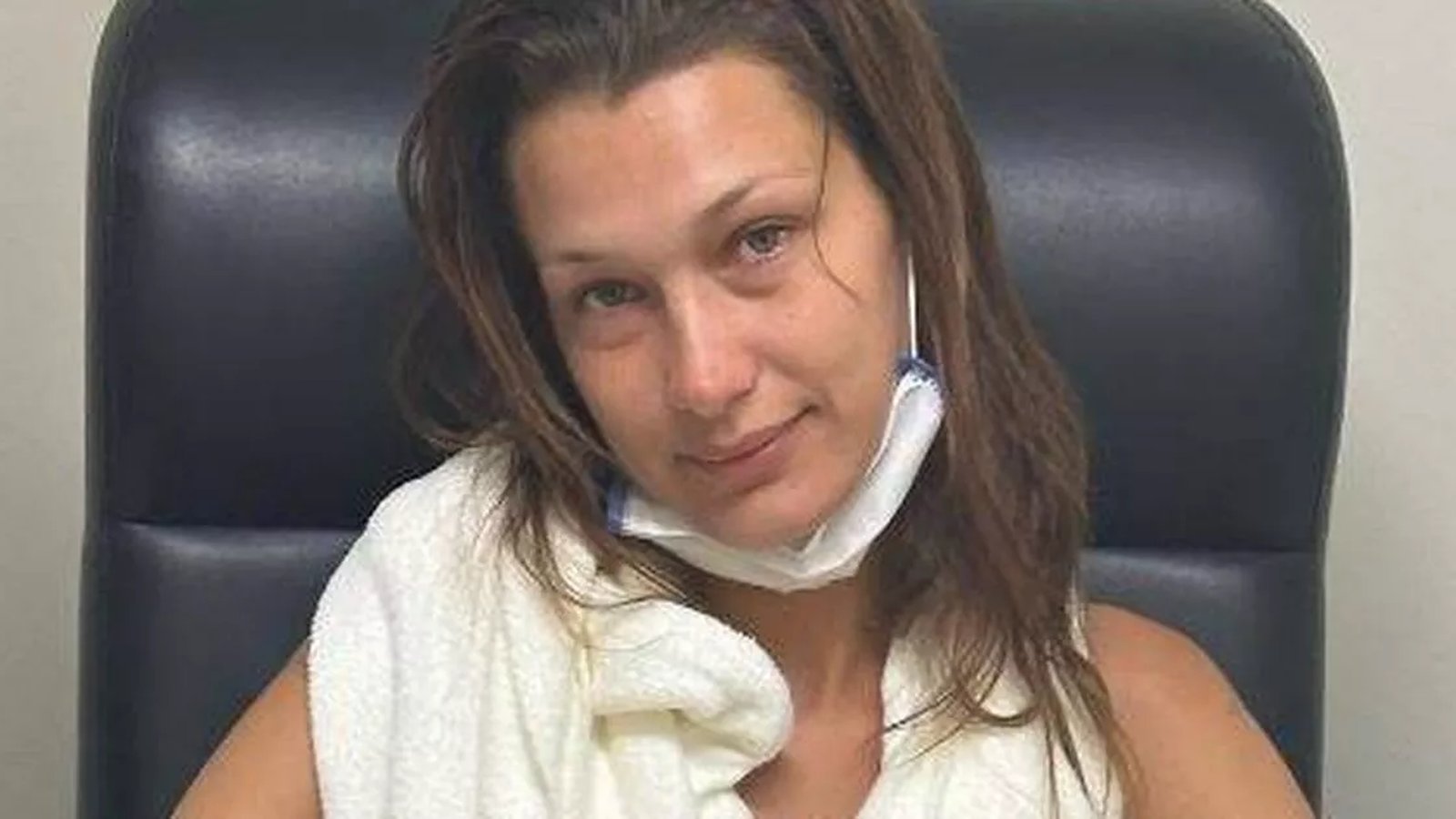
Recently, Bella broke her silence with a series of raw, emotional posts. Images showed her in a hospital bed, tubes attached, her face swollen, and her spirit tested. She played cards with loved ones and watched sunsets from her window, all while battling Lyme disease—a tick-borne illness that has quietly dominated her life since her diagnosis in 2012. “I’m sorry I always go MIA, I love you guys,” she wrote to her fans, revealing the exhausting cycle of treatments, fatigue, and uncertainty that keeps her out of the public eye.
Lyme Disease: The Hidden Epidemic Among Celebrities
Bella’s story is not unique. Lyme disease has afflicted a surprising number of public figures: Shania Twain, Alec Baldwin, Avril Lavigne, and Justin Timberlake have all spoken publicly about their battles with the condition. In the United States, an estimated 400,000 people contract Lyme disease each year. The UK reports around 3,000 to 4,000 annual cases, though experts believe the true numbers are much higher due to underreporting and undiagnosed cases (Mirror, Tyla).
For Bella, the illness is a family affair. Her mother, Yolanda Hadid—a former model and reality star—has endured the same struggle. Bella’s brother, Anwar Hadid, also received a diagnosis. The coincidence prompted questions: Was this genetic? Or was there another explanation?
Dr. Raphael Kellman, founder of the Kellman Center for Integrative and Functional Medicine, offered insights: “It’s not genetic,” he explained to PEOPLE. “It’s because they share the same environment. Ticks carrying the Borrelia burgdorferi bacteria, which cause Lyme disease, thrive in moist grassy areas—places families might visit together.” He added, “Imbalances in the microbiome—those billions of gut bacteria—may also play a role. If one member’s microbiome is unhealthy, it’s likely others are similarly affected.”
The Symptoms and Challenges of Living with Lyme Disease
Lyme disease is insidious. Its symptoms often masquerade as other ailments, leading to misdiagnoses and prolonged suffering. According to the NHS and Mayo Clinic, early signs include fever, fatigue, and a distinctive circular or oval rash at the site of a tick bite. If caught early, antibiotics can be effective, but many, like Bella, experience persistent symptoms for years—even after treatment.
These chronic symptoms can be devastating: severe fatigue that defies rest, joint pain, muscle aches, brain fog, memory problems, difficulty concentrating, neurological disturbances (tingling, numbness, dizziness), sleep disorders, headaches, sensitivity to light and sound, mood changes, digestive issues, and even heart palpitations. Some, like Bella, describe days when even showering or making breakfast feels like a Herculean achievement.
Bella’s ordeal echoes that of countless others. Social media influencer Ali Moresco, who lives with Lyme disease, shared her own experience: “Bella Hadid has shared a very vulnerable series of photos… it gives a hard, honest look as to what it’s like to undergo Lyme disease treatment. It is gruelling and invasive and it is mentally and physically one of the most draining things.”
Family, Resilience, and the Ongoing Fight
The emotional toll is immense. Yolanda Hadid, in a recent Instagram post, wrote candidly about her daughter’s struggle: “Watching my Bella struggle in silence has cut the deepest core of hopelessness inside me. The invisible disability of chronic neurological Lyme disease is hard to explain or understand for anyone. No child is supposed to suffer in their body with an incurable chronic disease.”
Support from family and friends has been vital. Bella’s sister Gigi commented, “I love you! I hope you feel as strong and good as you deserve soon!” Actress Nikki Reed sent “love, light, and positive thoughts for healing.” These messages, though simple, reflect the solidarity that sustains Bella through moments of vulnerability and isolation.
For Yolanda, sharing their story has become a way to connect and educate. “After many years I stopped sharing my personal story because I needed an energetic shift, time to focus on my healing rather than absorb other people’s opinions about my journey,” she confessed, underscoring the emotional complexity of living with a misunderstood illness.
Despite her suffering, Bella remains determined to raise awareness. She has promised to share more about her management and recovery when she “gains more energy.” Her openness, coupled with her family’s advocacy, has sparked global conversations about Lyme disease, chronic pain, and invisible illnesses—topics often overlooked in the fast-paced world of celebrity news.
Understanding the Broader Impact: From Diagnosis to Advocacy
The Hadid family’s experience has highlighted several important truths about Lyme disease. First, it is not a rare illness confined to isolated cases; it is a widespread, often misunderstood epidemic. Second, its effects are not only physical but profoundly emotional and social. Third, early diagnosis and evidence-based treatment are crucial—but persistent symptoms can linger for years, defying medical explanation.
The NHS cautions against unproven tests and treatments marketed online, urging those concerned to consult qualified healthcare professionals. “A few people who are diagnosed and treated for Lyme disease continue to have symptoms, like tiredness, aches and loss of energy, that can last for years. These symptoms are often compared to fibromyalgia and chronic fatigue syndrome. It’s not clear why this happens to some people and not others,” the NHS notes.
Bella’s journey is emblematic of the hidden battles fought by millions. Her courage, and the support of her family, have transformed private pain into public advocacy, shining a light on a disease that too often hides in the shadows.
Assessment: Bella Hadid’s candid revelation exposes the stark divide between public perception and private reality. Her story is a powerful reminder that chronic illness can affect anyone, regardless of fame or fortune. By sharing her struggle, Bella not only humanizes the experience of Lyme disease but also galvanizes awareness, empathy, and calls for scientific advancement in diagnosis and treatment. The Hadid family’s transparency has become a catalyst for global conversation—inviting society to rethink how we view and support those living with invisible illness.