


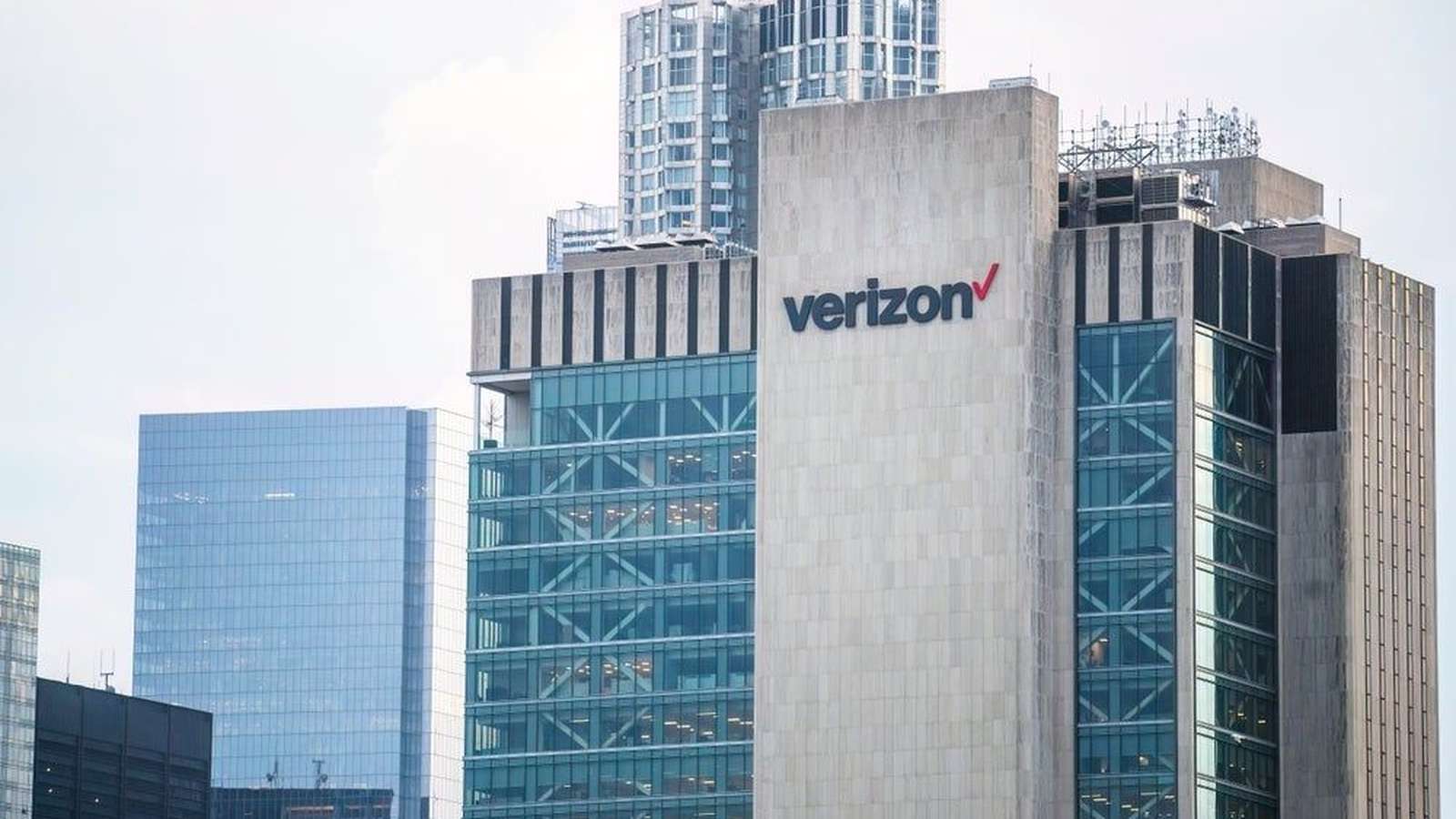
The Shift to a Franchise-Dominant Model
In a significant strategic pivot, Verizon Communications has aggressively accelerated its transition from company-owned retail locations to a franchise-based model. This shift, formalized in late 2025, saw the divestment of approximately 180 corporate-owned stores. The move represents a broader effort by CEO Dan Schulman to streamline operations, reduce overhead costs, and pivot toward a “leaner and scrappier” business structure capable of exceeding market expectations in a tightening economic environment.
For independent retail partners like TEAM Wireless—a Michigan-based entity that recently acquired over 120 locations from former competitors Wireless World and Cellular Plus—this divestment represents a transformative growth opportunity. By shifting the operational burden of physical storefronts to authorized retailers, Verizon effectively offloads labor and management costs while maintaining brand presence through premium partners. As noted by industry observers, this model allows the parent company to focus on core network infrastructure and high-margin service revenue, while experienced regional operators drive local customer acquisition.
Geopolitical Risks and Business Interruption
Beyond internal restructuring, Verizon and its ecosystem are navigating a precarious global climate. According to the Allianz Risk Barometer 2026, war and political violence have emerged as the primary threats to corporate stability, surpassing civil unrest. For a global entity with complex supply chains like Verizon, the risk of business interruption (BI) is paramount. With 72% of risk management experts identifying BI and supply chain disruption as critical concerns, the telecom sector remains particularly vulnerable to physical damage to infrastructure and shifts in global trade flows.
The reliance on “friendshoring”—the practice of limiting supply chains to politically aligned nations—is becoming a standard mitigation strategy. While Verizon’s primary footprint is domestic, the broader systemic risk of energy price shocks and fuel volatility stemming from Middle Eastern conflicts directly impacts the cost of service maintenance and retail operations.
Market Valuation and Investor Outlook
Despite these operational changes and macro-level pressures, Verizon’s stock remains anchored in a narrow trading range, hovering near the USD 48 mark on the New York Stock Exchange. With a market capitalization approaching USD 200 billion, the company is currently viewed by analysts as a stable, dividend-heavy play rather than a high-growth asset. Current consensus ratings from MarketBeat suggest a “Moderate Buy,” with price targets hovering around USD 50.59.
The core challenge for Verizon remains the equilibrium between maintaining high dividend yields and investing in the capital-intensive deployment of fiber and 5G infrastructure. Investors are closely monitoring how the company’s transition to a franchise-heavy retail model will impact long-term recurring cash flows. While the reduction in corporate headcount and facility management expenses is a positive signal for margin expansion, the success of this strategy depends heavily on the ability of authorized retailers to maintain the high service standards associated with the Verizon brand.
Ultimately, Verizon’s 2026 strategy is a calculated bet on operational efficiency over vertical integration. By empowering regional partners to manage the complexities of local retail, the company is attempting to insulate its balance sheet from the rising costs of physical labor and real estate. However, this model introduces new dependencies. As global risks like political violence and supply chain fragility threaten to disrupt standard business operations, Verizon must ensure that its decentralized retail network remains resilient enough to protect the brand’s value. Whether this shift will deliver the sustained growth investors demand remains an open question, contingent on the company’s ability to navigate both the shifting retail landscape and the broader, volatile macroeconomic environment.