


The Specialized Landscape of Fampridine Therapeutics
The global fampridine market is undergoing a structural shift, moving from a fragmented licensing environment to a highly consolidated, quality-driven clinical pathway. According to a comprehensive market assessment by Future Market Insights, the global fampridine market is valued at USD 5.80 million in 2026 and is projected to reach USD 11.7 million by 2036, expanding at a compound annual growth rate (CAGR) of 7.3%. While the absolute market volume remains highly specialized and concentrated, the strategic and regulatory stakes are immense. Fampridine, known chemically as 4-aminopyridine and marketed under the brand names AMPYRA and FAMPYRA, serves as a critical symptomatic therapy to improve walking ability in adult patients with multiple sclerosis (MS). This narrow clinical indication means that market dynamics are dictated not by broad consumer volume, but by specialist prescribing patterns, strict regulatory compliance, and robust supply chain continuity.
Corporate Restructuring and Brand Stewardship
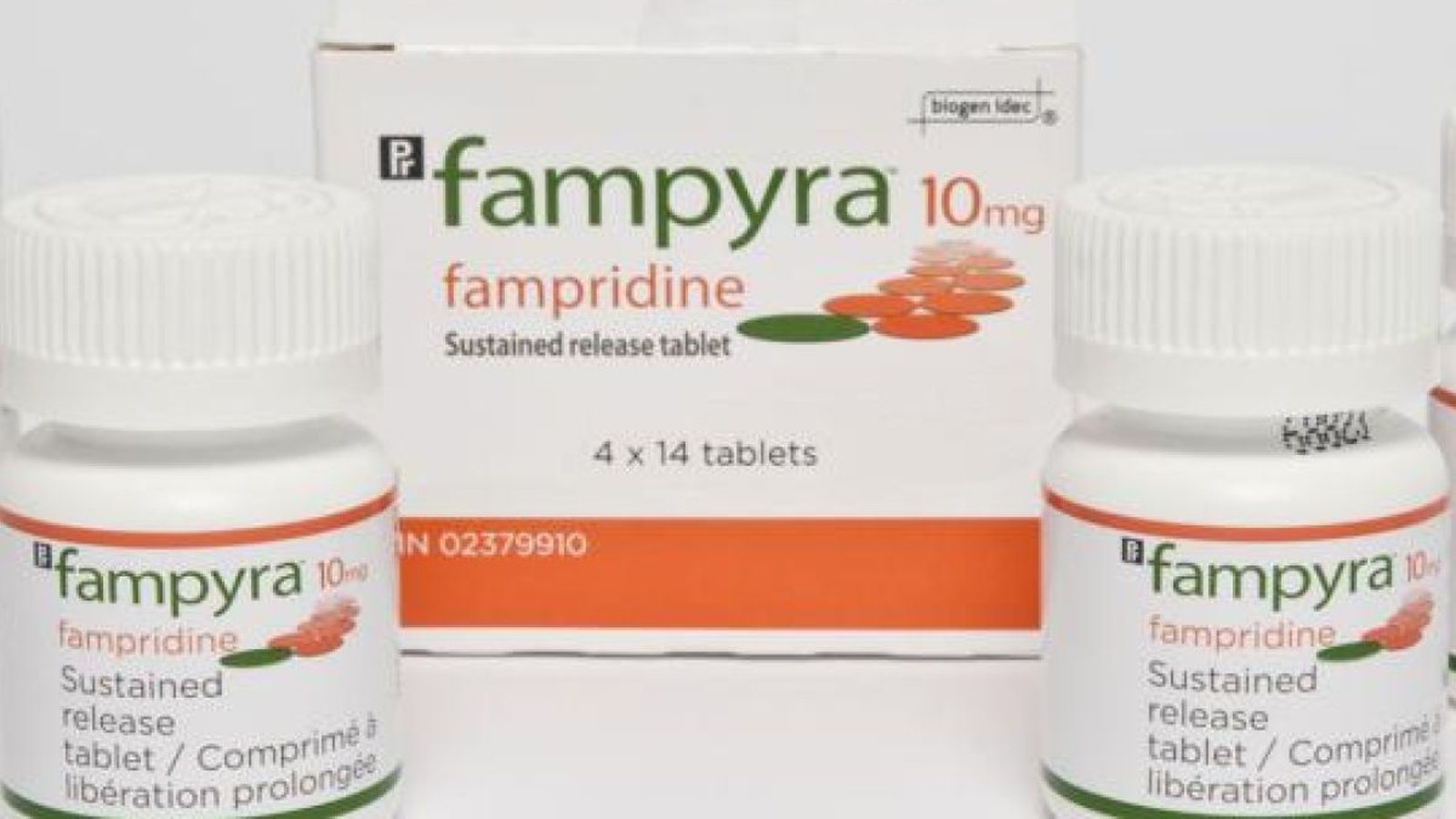
The competitive architecture of the branded fampridine market was fundamentally redefined in 2024 through a series of rapid corporate transactions. In January 2024, Acorda Therapeutics announced that it would regain the global commercialization rights to FAMPYRA from Biogen, following Biogen’s decision to terminate their long-standing licensing and collaboration agreement. This termination disrupted the established international distribution framework and forced a strategic re-evaluation of the asset’s commercial future. By April 2024, facing severe financial headwinds, Acorda entered into a stalking-horse asset purchase agreement with Merz Therapeutics while simultaneously filing for voluntary Chapter 11 bankruptcy protection in the United States. This legal mechanism was designed to preserve the operational continuity of the drug’s supply chain during a formal sale process.
In July 2024, Merz Therapeutics successfully closed the acquisition of Acorda’s key assets, including the global rights to the inhalation powder INBRIJA and the oral formulations AMPYRA and FAMPYRA. Through this transaction, Merz Therapeutics solidified its position as the primary global steward of branded fampridine, providing immediate regulatory and commercial stability. For healthcare procurement teams and clinical specialists, this transition of ownership is a critical benchmark, ensuring that the reference product’s documentation, safety registries, and batch consistency remain uninterrupted under a well-capitalized neurological specialty player.
Segment Dynamics: Purity Grades and Formulations
The technical demands of fampridine manufacturing split the market into highly precise segments, where product specification is paramount to securing hospital formulary approvals. By form, the market is heavily dominated by Powder formulations, which account for a 72.9% market share in 2026. The powder segment is valued at USD 4.23 million in 2026 and is forecasted to reach USD 8.52 million by 2036. Powder forms are the primary vehicle for Active Pharmaceutical Ingredient (API) handling, formulation development, and the manufacture of extended-release oral tablets. The remaining market share is held by crystalline formulations, which cater to niche processing requirements.
Purity grades represent another critical dimension of supplier evaluation. The >=99.5% purity grade represents the gold standard for clinical-grade pharmaceutical manufacturing, capturing a 51.7% market share in 2026, equivalent to USD 3.00 million, and projected to grow to USD 6.04 million by 2036. This high-purity segment is essential for compliance with stringent FDA and EMA monograph standards, where impurity profiling and batch-to-batch consistency dictate regulatory validation. Conversely, the 98.0%-99.5% purity grade occupies a substantial 36% market share, valued at USD 2.09 million in 2026 and rising to USD 4.21 million by 2036. This grade is widely utilized by generic manufacturers balancing cost-efficiency with acceptable regulatory thresholds, provided that comprehensive documentation supports its clinical safety profile.
Application Focus and Sales Channels
The clinical application of fampridine is highly concentrated, with Multiple Sclerosis (Walking Improvement) accounting for an overwhelming 85.1% share of the application segment in 2026. This dominant application is valued at USD 4.94 million in 2026 and is projected to expand to USD 9.94 million by 2036. The therapeutic value of fampridine lies in its ability to block potassium channels, thereby improving conduction in demyelinated nerve fibers. Because walking impairment is one of the most debilitating symptoms of MS, clinical adoption is highly defensive, provided that clinicians can monitor safety parameters and manage potential seizure risks associated with off-label or incorrect dosing. The remaining market share is allocated to research and experimental protocols investigating other neurological indications.
To mitigate the risks of contamination, counterfeiting, and documentation gaps, procurement departments increasingly favor direct procurement models. The Direct Sales Channel commands a 71.3% market share in 2026, valued at USD 4.14 million and projected to reach USD 8.33 million by 2036. Direct sales provide hospital networks, specialized pharmacies, and API formulation facilities with a transparent line of sight to the manufacturer. This minimizes handoff risks, ensures rapid access to batch-level documentation, and guarantees that the stringent storage and transport requirements of controlled substances are met, leaving the distributor channel to manage more fragmented or regional retail distribution networks.
Geographic Variations and Growth Trajectories
The geographic expansion of the fampridine market highlights the contrast between mature Western markets and rapidly developing Asian healthcare infrastructures:
- United States: Holding the largest single-country market share, the US is valued at USD 1.80 million in 2026 and is projected to reach USD 3.40 million by 2036, representing a CAGR of 6.57%. The US market is characterized by complex payer-reimbursement landscapes, strict FDA oversight, and high clinician awareness, where the FDA Orphan Drug Designation for dalfampridine continues to shape the regulatory landscape.
- China: Growing at a robust CAGR of 8.58%, the Chinese market is projected to expand from USD 0.58 million in 2026 to USD 1.32 million by 2036. Expansion in China is driven by the modernization of hospital infrastructure, broader inclusion of specialized therapies in national reimbursement lists, and a growing domestic capability for high-purity API processing.
- India: Representing the fastest-growing market with a CAGR of 9.58%, India’s market value is expected to rise from USD 0.35 million in 2026 to USD 0.87 million by 2036. Indian market dynamics are heavily influenced by the presence of major generic manufacturers, such as Aurobindo Pharma, Sun Pharma, and Alkem Laboratories, which focus on expanding access to affordable alternatives.
- Germany: As Europe’s leading national market, Germany is valued at USD 0.52 million in 2026 and is projected to reach USD 0.95 million by 2036 (6.17% CAGR). German procurement is characterized by rigorous clinical governance and a strong preference for traceable, high-purity (>99.5%) ingredients.
- United Kingdom: The UK market is valued at USD 0.41 million in 2026 and is forecasted to reach USD 0.75 million by 2036 (6.37% CAGR), with access pathways tightly controlled by National Health Service (NHS) specialty referral guidelines and cost-benefit assessments.
- Japan: Valued at USD 0.46 million in 2026 and projected to reach USD 0.81 million by 2036 (5.77% CAGR), the Japanese market emphasizes long-term safety data, meticulous follow-up protocols, and highly structured clinical supervision.
- South Korea: Representing a compact but technologically advanced market, South Korea is projected to grow from USD 0.23 million in 2026 to USD 0.46 million by 2036, at a CAGR of 6.97%, supported by highly centralized specialist clinics.
Competitive Landscape and Strategic Outlook
The competitive arena is bifurcated between the branded stewardship of Merz Therapeutics and a highly active generic manufacturing sector. Following the acquisition of Acorda’s portfolio, Merz Therapeutics serves as the global anchor for brand equity, maintaining the clinical and regulatory gold standard for AMPYRA/FAMPYRA. On the generic side, major global pharmaceutical companies—including Viatris (Mylan), Teva (Actavis), Aurobindo Pharma, Accord Healthcare, Sun Pharma, Hikma Pharmaceuticals, Alkem Laboratories, and Ascend Laboratories—compete aggressively on supply chain reliability, regulatory documentation support, and price-competitiveness.
Additionally, specialized entities like CivicaScript play a critical role in the US market by focusing on supply-channel support and packaging transparency, helping to lower out-of-pocket costs for patients through non-profit generic models. As the market progresses toward 2036, the primary battleground will not be volume expansion, but rather the ability of suppliers to maintain flawless regulatory files, secure uninterrupted API pathways, and provide clinical-use evidence that satisfies both stringent payers and cautious medical specialists.