


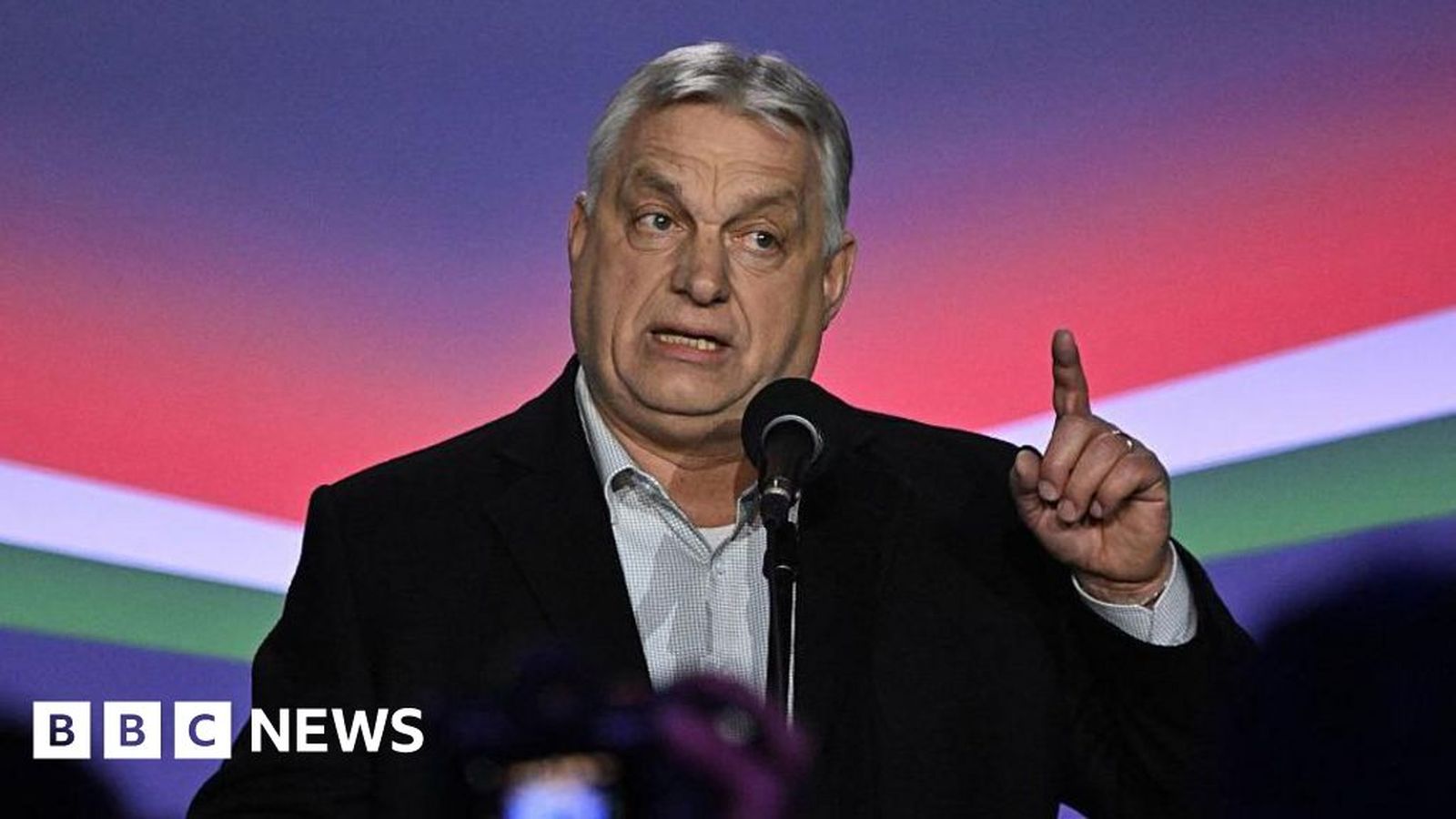
BUDAPEST (Azat TV) – Hungarian Prime Minister Viktor Orbán is bracing for a defining electoral challenge on April 12, as his 16-year tenure faces unprecedented pressure from both a surging domestic opposition and mounting scrutiny over the integrity of his administration. With the nation at a political crossroads, the discovery of explosives near the TurkStream pipeline in Serbia has triggered an emergency meeting of the National Defence Council, fueling fears of a final-hour attempt to sway the electorate through manufactured crisis.
The 2026 Election: A Referendum on Governance
As the longest-serving leader in the European Union, Orbán has long maintained a grip on power through a sophisticated system that critics and the European Parliament have characterized as a hybrid regime of electoral autocracy. However, recent polling suggests a significant shift, with the centre-right Tisza party, led by former Fidesz insider Péter Magyar, holding a double-digit lead. Magyar has centered his campaign on dismantling what he describes as a feudalistic and corrupt political structure, marking the first time in over a decade that a serious challenger has threatened to unseat the incumbent.
Security and Allegations of Manipulation
The discovery of explosives near the critical energy pipeline has heightened tensions, with Orbán alleging a conspiracy involving a Kyiv-Brussels-Berlin axis aimed at cutting off Hungary’s supply of affordable Russian energy. Security experts and opposition figures, however, have raised concerns that the incident may be a false-flag operation designed to invoke an emergency state or consolidate support for the Fidesz party. The government’s insistence on the reality of the threat stands in stark contrast to accusations from rivals that the administration is utilizing panic-mongering to deflect from economic stagnation and institutional decay.
A Fractured Legacy and EU Scrutiny
Beyond the immediate election, Orbán’s relationship with his former ideological allies has deteriorated significantly. The legal plight of Gábor Iványi, a former anti-communist dissident and pastor who once stood alongside Orbán, underscores the extent of the political rupture. Iványi, currently facing trial over church activities, remains a symbol of the alienation felt by many former supporters who argue that the Prime Minister has betrayed the movement’s original democratic principles. As the European Union continues to freeze billions in funding over rule-of-law concerns, the outcome of the April 12 vote will likely determine whether Hungary remains on its current trajectory or reorients toward closer integration with the bloc.
The political volatility surrounding the 2026 election indicates that the stability of the Hungarian state is no longer guaranteed by the mechanisms of control that sustained the Fidesz government for over a decade, leaving the future of the nation’s democratic institutions at a critical breaking point.