


Escalating Violence and Political Instability
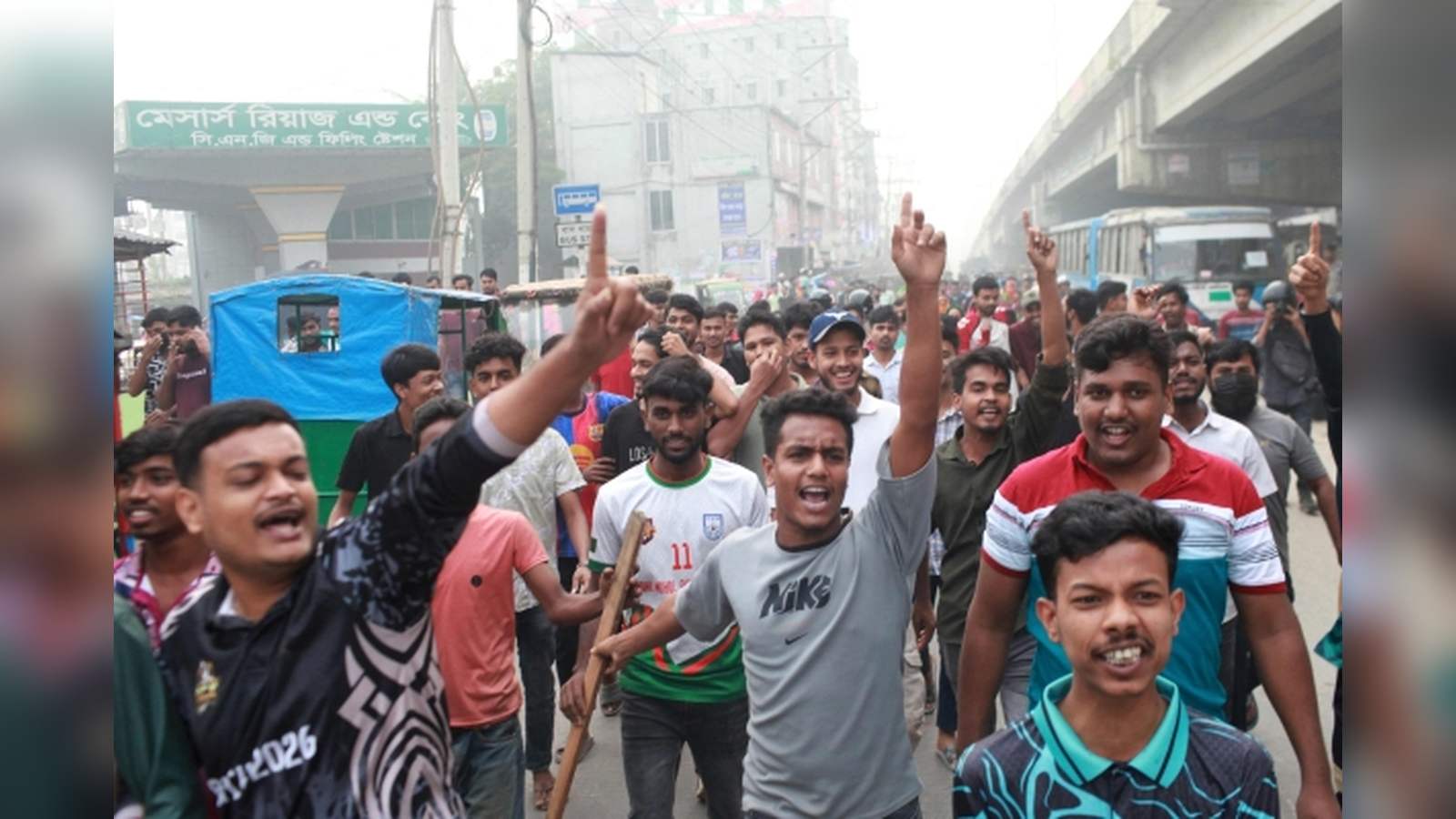
Bangladesh has been gripped by more than a week of persistent political violence as supporters of the exiled former Prime Minister, Sheikh Hasina, have engaged in direct clashes with police and members of the ruling political coalition. According to reporting from the Oman Observer, the unrest has resulted in at least four confirmed fatalities. These casualties include two members of the ruling Bangladesh Nationalist Party and two public transit workers who tragically perished when their buses were deliberately set ablaze by demonstrators. These incidents, which occurred throughout mid-November 2026, represent a significant and worrying escalation in the ongoing power struggle between the current administration and the remnants of the Awami League, the political party formerly led by Hasina.
The intensity of the violence spiked following Hasina’s recent attempt to secure a new passport and national identification card through the Bangladesh High Commission in New Delhi. The Bangladeshi government has categorically rejected this application, fueling further resentment among her remaining loyalists. The Guardian reported that the Awami League organized an ambitious week-long program of protests and rallies to mobilize public support for Hasina’s announced intention to return to the country in December. This effort culminated in a disruptive nationwide lockdown on Thursday, November 19, 2026. During this period of heightened tension, the ancestral home of former interim leader Muhammad Yunus in Chattogram was targeted and set on fire. While the property sustained damage, authorities confirmed that family members residing on the upper floors were able to escape without injury.
The Roots of Exile and Legal Consequences
Sheikh Hasina’s tenure as prime minister, which spanned five terms, was defined by increasing political polarization and mounting accusations of authoritarian governance. Her exile commenced in August 2024, following a massive, student-led uprising that ultimately forced her to flee to India. The 2024 protest movement, which initially centered on grievances regarding a government job quota system that favored Awami League loyalists, rapidly evolved into violent street battles. These clashes resulted in a staggering death toll, with estimates reaching as high as 1,400 fatalities, and led to the incarceration of over 10,000 individuals under Hasina’s directives to suppress dissent.
Following her departure, the International Crimes Tribunal in Bangladesh conducted proceedings that convicted Hasina of crimes against humanity, ultimately sentencing her to death. Hasina has publicly challenged the legitimacy of this verdict and the tribunal itself. In an interview with the Associated Press, she acknowledged that she is fully cognizant of the extreme personal risks, including potential arrest, imprisonment, or execution, that she would face should she attempt to return to Bangladeshi soil. Despite these legal threats, the efforts of her supporters to destabilize the current government have included attacks on police stations, hospitals, and various public transit infrastructure, effectively creating a climate of fear in multiple districts.
Diplomatic Strains and the Path Forward
The ongoing unrest has placed significant strain on the diplomatic relationship between Bangladesh and India, the latter of which continues to provide sanctuary to the former leader. The government of Prime Minister Tarique Rahman, which assumed power following a decisive victory in national elections earlier this year, has taken an uncompromising stance against the insurgency-style tactics employed by Hasina’s supporters. Officials, including Deputy Foreign Minister Humaiun Kobir, have formally labeled Hasina a “terrorist” and a “fugitive criminal,” explicitly calling upon the Indian government to extradite her to face the consequences of her conviction.
The situation presents a complex and delicate challenge for Indian Prime Minister Narendra Modi. While India maintains a strategic interest in resetting ties with the new administration in Dhaka, it has not yet publicly addressed the extradition demands. Prime Minister Rahman has signaled his frustration with the current state of affairs, making oblique references to agitators receiving instructions from “across the border.” In an effort to restore order, the government has deployed 97 platoons of the Bangladesh Border Guard across seven districts. The political future of the country remains precarious, particularly as the Awami League, which is now officially banned and absent from the formal political landscape, continues to operate in the shadows. As the December timeframe for Hasina’s proposed return approaches, the administration remains on high alert, bracing for potential further confrontations and seeking to stabilize a nation still reeling from the legacy of the 2024 uprising and the subsequent collapse of the previous regime.
Reporting source: omanobserver.om.