


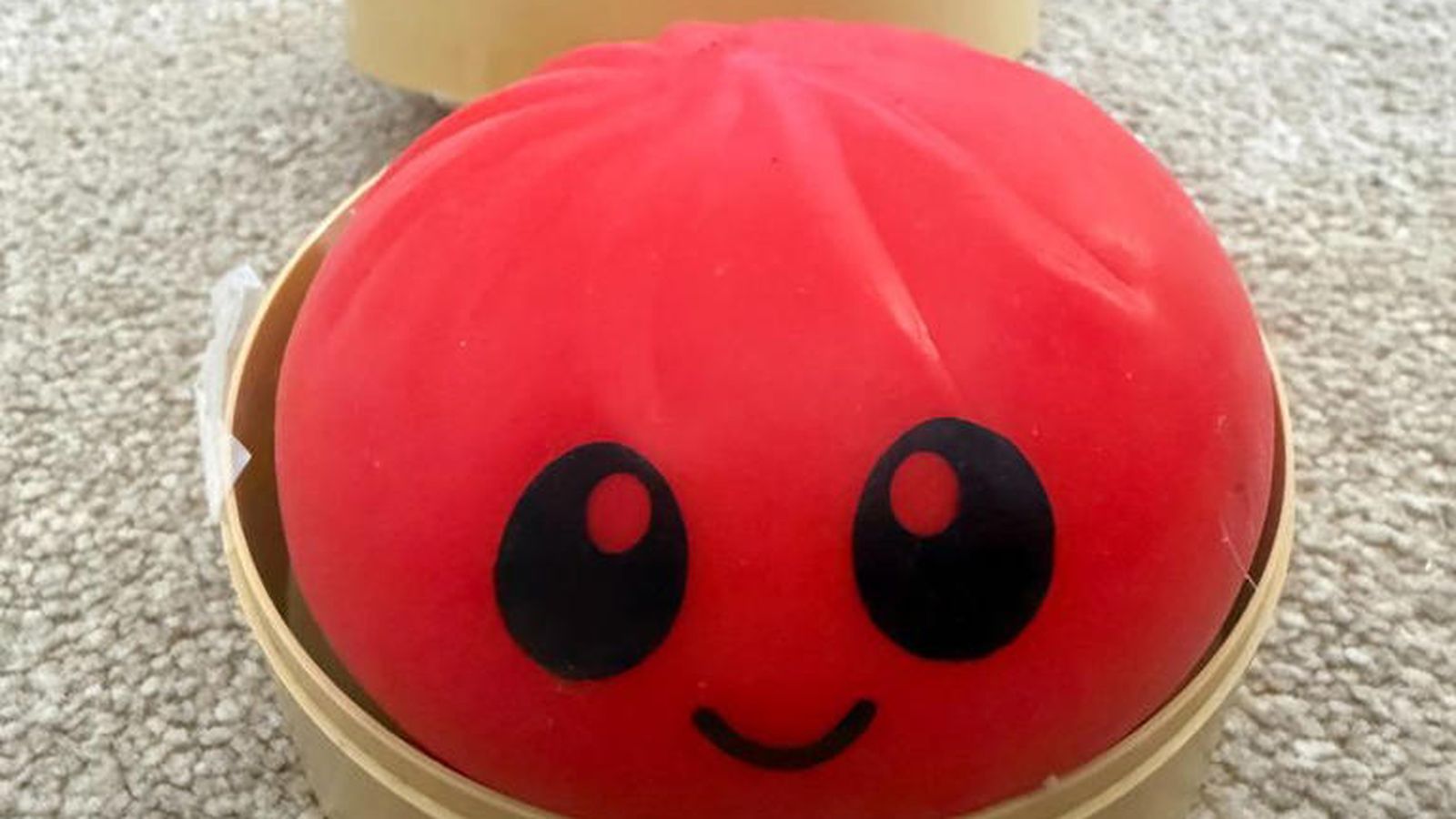
Health officials in the United Kingdom have issued urgent warnings regarding a surge in severe injuries linked to viral “squishy” toys. The trend, driven by social media, involves children heating these soft, tactile toys in microwaves to alter their texture, resulting in explosive ruptures and life-altering chemical burns.
Medical and Safety Crisis
The Royal Hospital for Children (RHC) in Glasgow has reported treating six children for severe burn injuries over the past eight months directly linked to this trend. In some cases, patients have required surgical intervention, including skin grafts. Among those affected is 8-year-old Joseph Erskine, who suffered extensive injuries to his chest and hand when a toy burst upon removal from a microwave.
Beyond the thermal risks of explosion, regulatory bodies, including the UK’s Office of Product Safety and Standards (OPSS), have identified significant chemical hazards in counterfeit versions of these toys. Tests conducted by local councils—including Swansea and Glasgow—on seized imitation products revealed the presence of hazardous volatile organic compounds (VOCs), such as ethyl benzene, styrene, and various xylene isomers.
Regulatory Enforcement and Market Risks
The influx of counterfeit “squishy dumpling” toys, often sold in dim sum-style packaging, has complicated safety efforts. While authentic products from authorized manufacturers such as RMS International adhere to UKCA or CE safety standards, imitation goods frequently bypass these protocols. Glasgow City Council recently seized nearly 6,000 counterfeit units from a warehouse due to concerns over dangerous chemical content and structural integrity.
“The items which have been recovered pose serious dangers to anyone using or playing with them,” stated Laura Doherty, Glasgow City Councilor. Parents are being urged to inspect packaging for official certification marks and to discard any items that emit a strong, gasoline-like chemical odor.
Algorithmic Amplification and Parental Oversight
The rapid spread of this trend illustrates the influence of algorithmic amplification on product misuse. Content creators often demonstrate the “microwaving” hack to achieve a softer tactile experience, normalizing a behavior that manufacturers never intended. Because these toys are marketed as sensory fidget items or collectibles, the inherent danger—both chemical and physical—is often overlooked by caregivers.
As authorities continue to monitor the market, the incident highlights a broader institutional challenge: the speed at which viral trends bypass traditional product safety education. Until further notice, safety experts advise that all squishy-style toys be kept away from heating appliances and that caregivers remain vigilant regarding the source of such impulse-buy collectibles.