


Consumer Anxiety Drives Retail Sales Shifts
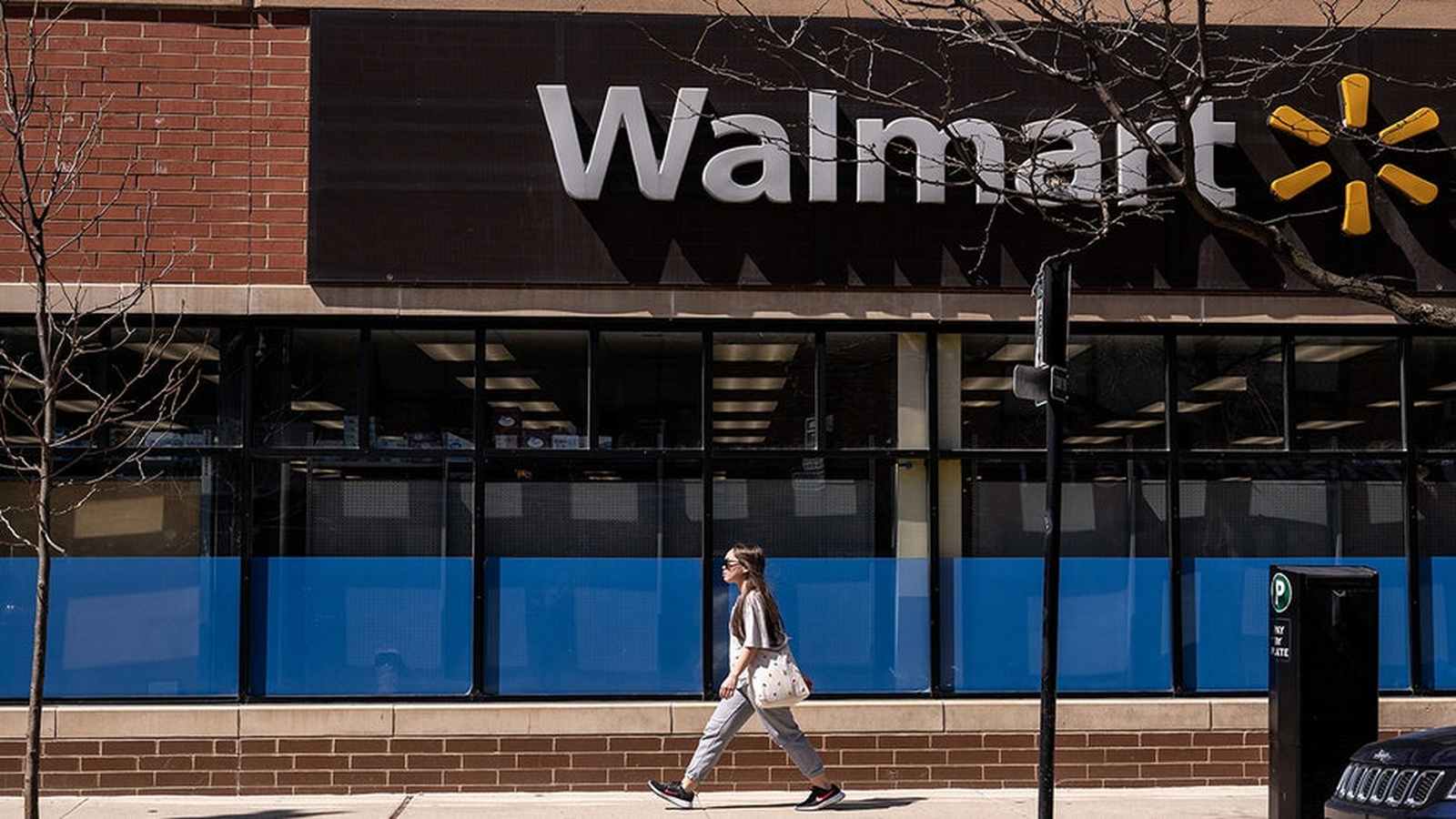
Following a series of widespread technology outages that affected major financial institutions, airlines, and communication networks, Walmart shoppers have begun increasing their purchases of emergency preparedness items. According to reporting from Fox Business, customers have been stocking up on essentials such as bottled water, propane, and various camping supplies as a precautionary measure against further infrastructure instability.
The trend, which began to draw significant attention in mid-November 2026, reflects a broader shift in consumer behavior. While Walmart officials have confirmed the uptick in specific categories, they emphasize that these purchases represent a small portion of the company’s total business volume. Chief Financial Officer John David Rainey noted in comments reported by Fox Business that such buying patterns often reflect a pull-forward of future demand rather than a permanent change in household consumption habits.
The Chain Reaction of Infrastructure Disruptions
The recent wave of anxiety among American consumers follows a series of high-profile technical failures. These included a significant Microsoft Outlook outage that lasted approximately two days across 70 countries, a nationwide FAA ground stop for all U.S. airline flights, and subsequent hourslong outages at major financial institutions including Chase, Bank of America, and U.S. Bank. While Secretary of State Marco Rubio stated there was “zero evidence” linking these various incidents, the frequency of the disruptions has fueled public concern regarding the robustness of national digital infrastructure.
As reported by the New York Post, this trend of “pantry-loading” was not confined to Walmart. Costco has seen similar behavior, with investment firm Mizuho Securities noting that members were purchasing items such as generators, canned goods, and toilet paper. Data from Mizuho indicated that 21 of Costco’s 26 high-ticket generator models were sold out online by mid-November 2026.
Contextualizing the Tech Stability Climate
Industry analysts point to a combination of aging technology, software bugs, and the complexities of modern security updates as the primary drivers of these incidents. Cybersecurity experts, including those consulted by The New York Times, suggest that the rapid integration of AI tools—which are increasingly effective at identifying software vulnerabilities—is forcing companies and government agencies to implement frequent security patches. These “rushed” fixes often lead to unintended technical glitches, creating a cycle of instability that experts warn could persist for the next 12 to 18 months.
Despite the volatility in public perception, Walmart continues to perform strongly. The retailer recently raised its annual sales and profit forecasts, citing robust growth in its delivery services and membership programs as it enters the critical holiday shopping season. While the surge in emergency goods has been notable, the company maintains that the scale of this “panic buying” remains statistically minor compared to its overall retail operations.