


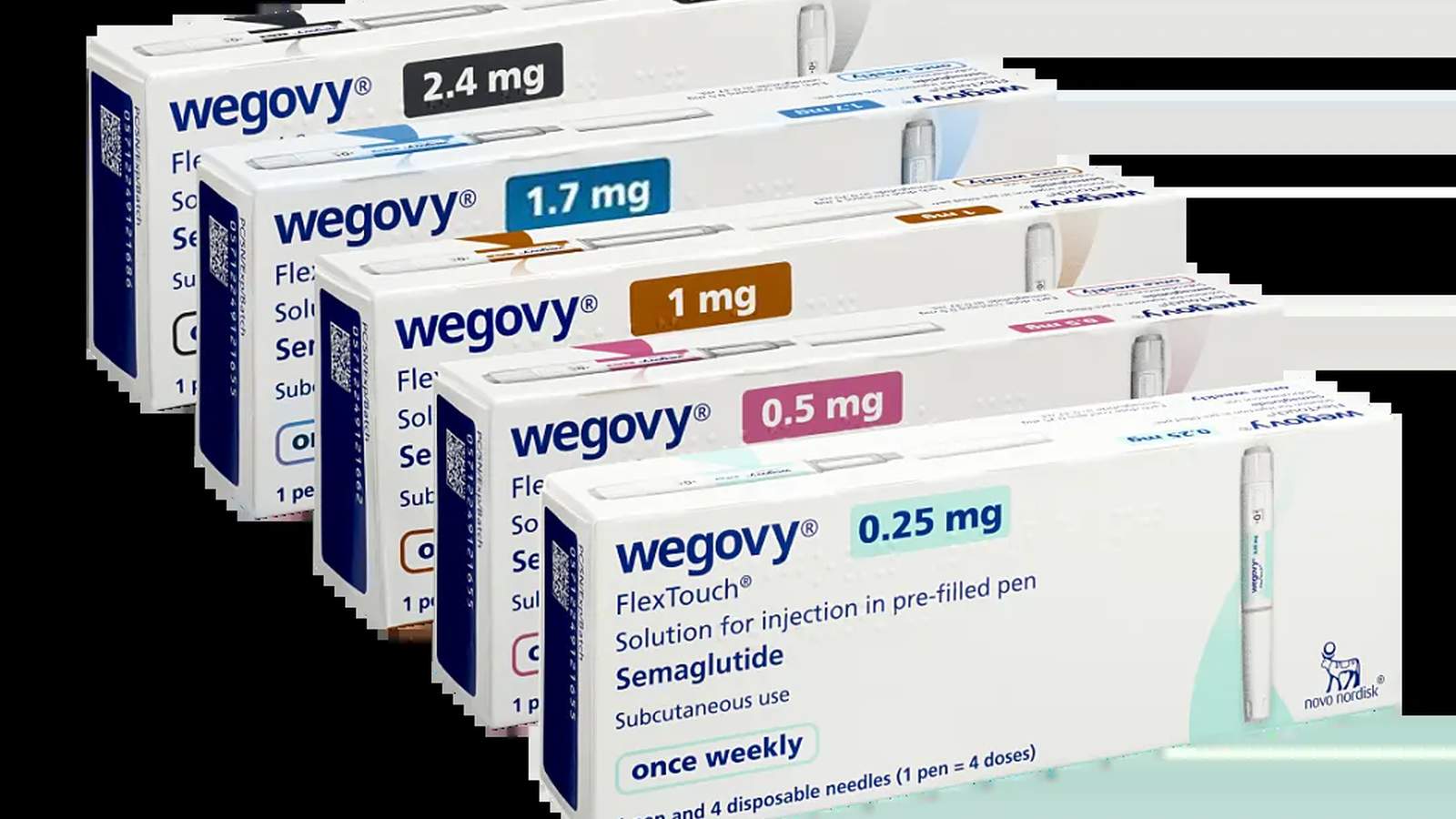
The weight loss medication landscape in the United States is on the brink of a major shift as Novo Nordisk prepares to launch the first-ever pill form of its widely known Wegovy treatment next month. After federal regulators granted approval, the anticipation is high among patients and industry watchers. For many, this new oral option could mark the beginning of a more accessible, less intimidating journey toward weight management.
Until now, Wegovy—like its chief rival Zepbound from Eli Lilly—has only been available in injectable form. The prospect of self-administered shots has kept some potential users at bay, but the arrival of the pill is expected to attract a new wave of patients. As Joe Nadglowski, president and CEO of the Obesity Action Coalition, put it: “A brand new effective pill for weight loss gives people greater flexibility to choose a GLP-1 treatment that can fit in their daily routine and preferences.”
Novo Nordisk is betting that the convenience of a daily pill will help it reclaim market share from Eli Lilly, whose injectable Zepbound has outperformed Wegovy in clinical studies. For now, Novo has the advantage: an oral version of Zepbound isn’t expected until several months from now. As Novo’s CEO Mike Doustdar said, “As the first oral GLP-1 treatment for people living with overweight or obesity, the Wegovy pill provides patients with a new, convenient treatment option that can help patients start or continue their weight loss journey.”
Financial markets responded enthusiastically to the news, with Novo’s stock price jumping, though it remains significantly below its previous highs. But the real test lies in the hands of consumers. The pill form of Wegovy requires a higher dose—25 mg daily compared to the 2.4 mg weekly injection—since oral absorption is less efficient. Clinical studies have shown that those who stick with the treatment can expect an average weight loss of 16.6 percent, a figure that’s competitive with existing injectable options.
Affordability, however, remains a sticking point. Novo has agreed to introduce the starter dose at $149 per month, thanks to a price negotiation deal with President Trump. Full pricing for higher doses will be revealed in January, but analysts anticipate pills will be cheaper than injections. Eli Lilly’s oral Zepbound, expected by March, will also launch with a starter dose at $150 per month. Still, many Americans find these costs prohibitive. According to a recent KFF Health Tracking Poll, more than half of users report difficulty affording weight loss drugs, with one in four describing the challenge as “very difficult.”
Insurance coverage adds another layer of complexity. Many plans, including those under the Affordable Care Act, do not cover these medications due to their high prices. Drug makers have responded by lowering prices for direct-to-consumer sales, offering starting doses as low as $199 a month and higher doses under $450—far below the previous list prices, which exceeded $1,000. Yet, even these reduced prices remain out of reach for many.
In a move to increase accessibility, a deal brokered by President Trump will lower costs for Medicaid programs, allowing Medicare enrollees to obtain weight loss drugs next year for a $50 copay. Some state Medicaid programs will also offer the drugs at this reduced rate. These efforts are critical, as obesity is a chronic condition affecting millions, and effective medical interventions can make a significant difference in health outcomes.
The market for weight loss drugs is expanding rapidly. Analysts at BMO Capital Markets predict it will reach $100 billion globally by 2035. About one in eight American adults currently use a GLP-1 drug for weight loss or chronic conditions, reflecting both the demand and the potential impact of new treatments like the Wegovy pill.
Meanwhile, pharmaceutical innovation continues. Eli Lilly is testing a next-generation injectable that, in Phase 3 trials, helped patients lose an average of 28.7 percent of their body weight—so much, in fact, that some dropped out early, citing excessive weight loss. As these advancements move from the lab to the pharmacy, the broader conversation about affordability, insurance coverage, and long-term health effects grows even more urgent.
Beyond clinical trials and profit margins, the real stories are unfolding in people’s lives. Take South Korean broadcaster and YouTuber Pungja, who recently made headlines after losing 25 kilograms through diet, exercise, and obesity treatments including Wegovy and Saxenda. Her transformation, documented across media platforms, underscores the personal impact such drugs can have. For many, medications like Wegovy aren’t just statistics—they represent hope, struggle, and, sometimes, the turning point in a long battle with obesity.
As we head into 2025, the arrival of pill-based weight loss drugs signals not just a change in the products available, but a deeper shift in how society tackles obesity. The choices, challenges, and consequences will be shaped not only by pharmaceutical innovation, but by ongoing debates over cost, access, and the meaning of health itself. What remains clear is that for millions, these pills are more than medicine—they’re a chance at a new beginning, if only the path can be made affordable and sustainable for all.
The introduction of Wegovy in pill form is a watershed moment for obesity treatment, opening doors for those previously unwilling or unable to use injectables. Yet, the persistent barrier of high cost, despite industry efforts and government deals, means that true accessibility remains elusive for many. As technology and policy evolve, the real measure of success will be whether these advances reach those who need them most, not just those who can afford them.
Sources: Reuters, NY Sun, Chosun