


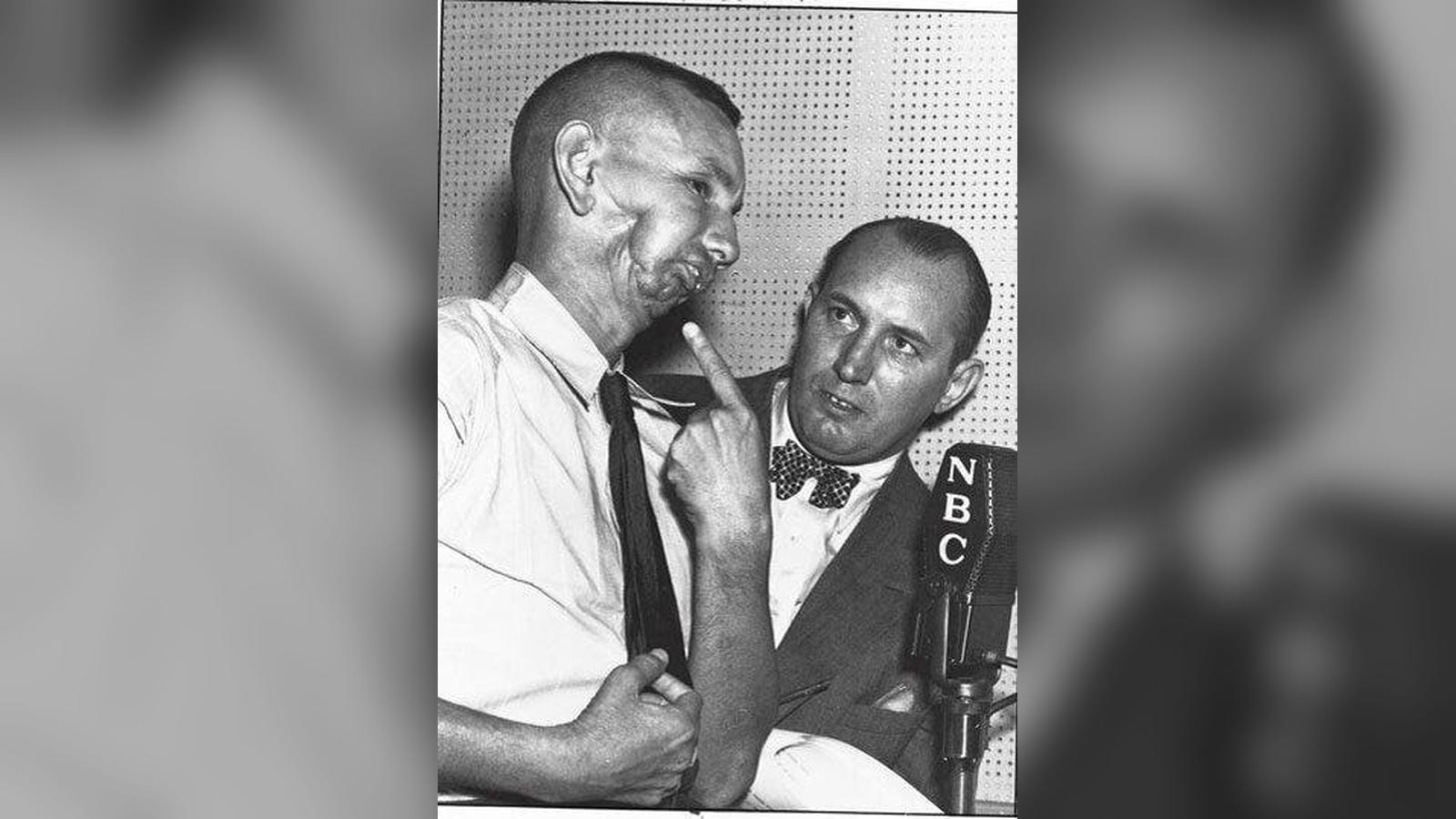
This historical photograph captures Wenceslao Moguel, a man whose face bears the indelible, startling physical proof of an execution that failed to end his life. Staring directly into the camera lens with a sober, direct gaze, Moguel displays the severe facial trauma and structural scarring resulting from point-blank gunfire during the turbulent years of the Mexican Revolution. The image serves as the ultimate visual anchor to one of the most astonishing survival accounts of the twentieth century, transforming an anonymous casualty of civil war into a haunting, human confrontation with mortality. Through this single frame, we are invited to examine not just a portrait, but the living, breathing documentation of historical trauma preserved on human skin.
What the photograph shows
In the frame, Moguel stands before an unadorned background, his posture quiet and composed yet entirely defined by the catastrophic injuries he sustained. Careful visual inspection reveals deep tissue damage, structural asymmetry across his jaw, and severe scarring along his cheekbones—the unmistakable physical signatures of close-range ballistic impact. Unlike formal studio portraits of military heroes or political leaders from the era, this photograph functions primarily as an evidentiary document, captured to record the extraordinary medical and human anomaly of a man who lived through a firing squad. His plain clothing and the lack of contextual props keep the viewer’s absolute focus where it belongs: on the scars etched into his face by the machinery of political violence.
The moment behind the image
The backstory frozen behind this photographic record dates back to March 18, 1915, during the height of the Mexican Revolution. Moguel served as a soldier under the banner of revolutionary leader Pancho Villa in Yucatán, Mexico. Following his capture by opposing federal authorities, he was condemned to death without the formality of a trial. Lined up against a wall by a firing squad, he was struck by eight bullets across his body. To ensure absolute compliance with the execution order, a soldier stepped forward to deliver a final coup de grâce—a point-blank shot to the head designed to shatter the skull and guarantee death. Believing their grim task complete, the execution squad abandoned his body among the fallen and departed the scene.
Photographer and provenance
While the exact identity of the photographer who pressed the shutter on this portrait remains unrecorded in mainstream historical archives, the image belongs to a broader category of evidentiary documentation that emerged in the 1930s as Moguel’s story gained wider public attention. Such photographs were frequently commissioned or captured by regional newspapers, press agencies, and curiosity collectors eager to verify the unbelievable claims of survivors. Working under the journalistic standards of the era, photographers often isolated their subjects against neutral backgrounds to maximize visual impact and provide clear proof for skeptical audiences. The survival and circulation of this negative through decades of print media ensured that Moguel’s face became synonymous with miraculous survival.
Historical context
The Mexican Revolution was characterized by profound brutality, summary executions, and widespread lawlessness where formal judicial processes were frequently abandoned for instant political retribution. In this violent landscape, thousands perished before firing squads without leaving a trace in history. Moguel’s miraculous escape from death broke this statistical norm. Accounts of how he managed to slip away from the execution site vary slightly among historical sources: some narratives suggest he was discovered unconscious the following day among the corpses of his comrades and rushed to clandestine medical care, while others indicate he summoned extraordinary strength to crawl three blocks to the church of St. James Apostle in Halachó, where a local resident sheltered and nursed him back to health.
Why it still matters
Moguel’s story ultimately transcended regional folklore, catapulting him into international prominence as modern mass media developed a powerful appetite for the extraordinary. On July 16, 1937, he achieved global renown by appearing on the popular American radio broadcast Ripley’s Believe It or Not!, bringing his scarred visage and harrowing tale to listeners across the United States. His life later inspired cultural tributes, including the song “El Fusilado” by the British anarchist band Chumbawamba. Today, this photograph remains a stark, uncompromising testament to the cruelty of the Mexican Revolution and the profound, enduring resilience of the human body against seemingly impossible odds.