


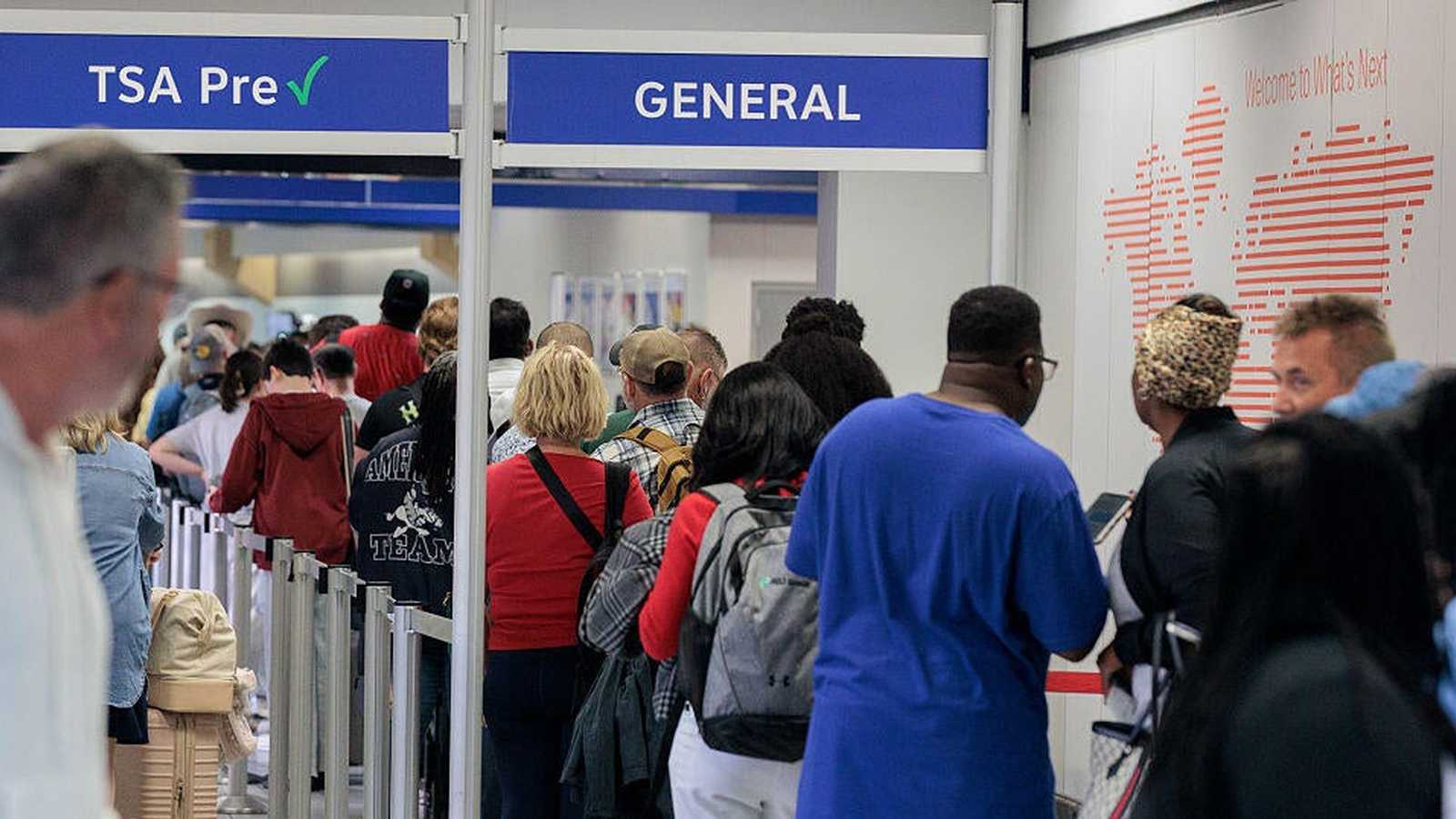
Shutdown Forces Major Flight Cuts at 40 Airports: Who’s Affected?
On the 37th day of the US government shutdown, the impact is finally hitting the skies. Federal officials announced plans to cut airline capacity by up to 10% at dozens of high-volume airports, citing critical shortages in air traffic controllers. For millions of Americans hoping to travel this month, the reality is setting in: schedules are changing, and delays are almost guaranteed.
The Federal Aviation Administration (FAA) has drawn up a preliminary list of 40 airports—ranging from the busiest hubs in New York, Atlanta, Dallas, and Los Angeles, to key cargo centers in Louisville and Memphis—where flight reductions will begin as early as Friday. According to CBS News, these cuts will be phased in over several days, starting with a 4% reduction on Friday, 5% on Saturday, and reaching the full 10% by next week. The final list of affected airports is still subject to change, as the FAA has not issued a formal order yet.
The 40 Airports Facing Disruptions: Where Will Cuts Hit Hardest?
The FAA’s “Core 30″—the nation’s busiest airports—are at the heart of the plan. These include:
- New York’s JFK, LaGuardia, and Newark
- Atlanta Hartsfield-Jackson
- Chicago O’Hare
- Dallas-Fort Worth
- Los Angeles International
- Denver International
- Boston Logan
- Miami International
- Seattle-Tacoma
- Washington Dulles and Reagan
Ten additional airports, including major cargo and private aviation hubs, are also on the list. In cities like Louisville, Memphis, and Anchorage, the impact will ripple through shipping and logistics operations, not just passenger travel.
Airlines received word of the plan only about an hour before the public announcement, prompting a scramble to adjust schedules and notify customers. As one airline executive told CNN, “We’re working with the federal government to understand all details of the new reduction mandate and will strive to mitigate impacts to passengers and shippers.”
Why Flight Cuts Are Happening: The Human Toll of the Shutdown
The shutdown, now the longest in US history, has left thousands of federal employees—including air traffic controllers and TSA screeners—working without pay since October 1. The FAA says the cuts are necessary to relieve stress on controllers, who have reported more than 400 staffing shortages at facilities nationwide. Some controllers have called out of work, while others are seeking second jobs just to make ends meet.
Transportation Secretary Sean Duffy called the reductions “necessary” for safety, but airlines say the lack of clarity makes planning nearly impossible. Veterans Day weekend, traditionally a peak travel period, is just days away, and weather disruptions in the Midwest could further complicate the situation.
In the halls of Congress, bipartisan talks continue, with Democrats buoyed by recent election wins but divided over how to proceed. President Trump, following the Democratic sweep, urged Republican senators to end the shutdown by scrapping the filibuster—a move that Senate Majority Leader John Thune said lacks sufficient support. The Senate is not scheduled to vote on a House-passed measure to reopen the government today, leaving travelers and workers in limbo.
Travelers: What You Need to Know and How to Prepare
If you’re booked to fly in the next ten days, industry insiders and consumer advocates recommend taking extra precautions:
- Book a backup ticket: As Frontier Airlines CEO Barry Biffle advised, “If your flight is cancelled your chances of being stranded are high so I would simply have a backup ticket on another airline.”
- Avoid basic fares: Book flexible tickets, such as standard Economy, which allow for changes or refunds if your flight is cancelled.
- Book direct: Buy tickets directly from airlines rather than third-party sites, which can complicate rebooking if problems arise.
- Minimize layovers: More connections mean more risk of delays or cancellations. Opt for nonstop flights where possible.
- Check for waivers: Delta Air Lines and United Airlines are offering change fee waivers for affected travelers.
The US Public Interest Research Group also advises travelers to monitor flight status closely and to prepare for possible overnight stays or extended delays.
For those relying on federal food benefits, there’s a slight reprieve: SNAP recipients will receive up to 65% of November benefits, rather than the previously planned 50%, according to the USDA. But like the aviation sector, social safety nets are stretched thin.
What’s Next: Uncertainty in Congress and the Skies
The Senate remains divided, with Democrats debating whether to stand firm on demands for health care tax credits as part of any deal to end the shutdown. Some progressives warn against accepting a “meaningless vote,” while moderates seek compromise. As Senator Bernie Sanders put it, caving now could have lasting political consequences.
Republicans, meanwhile, say the next move is up to Democrats. Senate Majority Leader John Thune told reporters, “I think it’s all going to be subject to whether there’s a path to wind this down this weekend. It’s in their court. It’s up to them.”
With no vote scheduled and talks ongoing, travelers, airline workers, and federal employees are left watching and waiting. As the shutdown drags on, each day brings new disruptions, and the nation’s airports remain on edge.
Assessment: The government shutdown has exposed the fragility of America’s air travel system, where political gridlock in Washington can ground planes and upend lives across the country. As both parties negotiate, the real cost is borne by ordinary travelers, essential workers, and families whose plans and livelihoods hang in the balance. Until a solution is reached, uncertainty will remain the only certainty for the nation’s airports and the millions who depend on them.