


Eight Democrats Cross the Aisle: Who Voted to End the Shutdown?
After forty-one days of tense negotiations, emotional statements, and mounting pressure on federal workers, the United States Senate finally voted to advance a funding package that would end the longest government shutdown in modern history. The vote, held late Monday, passed 60-40, but what truly stood out was the decision by eight members of the Democratic caucus to side with Republicans and move the process forward.
So, who were these eight senators? According to CBS News, the Democratic senators voting in favor were Catherine Cortez Masto (Nevada), Dick Durbin (Illinois), John Fetterman (Pennsylvania), Maggie Hassan (New Hampshire), Tim Kaine (Virginia), Jackie Rosen (Nevada), Jeanne Shaheen (New Hampshire), and Angus King (Maine), the latter officially an independent but caucusing with Democrats. Their votes were pivotal, breaking a deadlock that had held Washington in suspense for weeks.
Inside the Vote: Why Did These Democrats Break with the Majority?
Pressure had been mounting from all sides. With hundreds of thousands of federal workers missing paychecks and critical programs like SNAP benefits in limbo, the cost of the shutdown was no longer just political—it was personal. Senator Jeanne Shaheen, one of the eight, explained her reasoning in an interview: “Keeping the government shut down for another week or another month doesn’t indicate that there would be any change in the outcome.” She pointed to the pain felt by federal employees and vulnerable Americans as decisive factors.
Senator John Fetterman echoed this sentiment, saying, “I strongly support those tax credits to make health care more affordable, but I just refuse to shut our government down and hold our government hostage.” For these lawmakers, the decision to cross the aisle was not made lightly. It meant risking criticism from progressive colleagues, but also taking a stand for reopening the government and resuming essential services.
Party Reactions: Internal Divisions and Calls for Leadership Change
Not everyone in the Democratic Party was pleased. The compromise drew sharp criticism from prominent progressives and state leaders. California Governor Gavin Newsom labeled the deal “pathetic,” while Senator Bernie Sanders called it a “disaster,” arguing Democrats had surrendered on the key issue of health care tax credits. Sanders, an independent who caucuses with Democrats, said, “It would be a policy and political disaster for the Democrats to cave.”
The controversy spilled into the party’s leadership ranks. Representative Ro Khanna called for Senate Minority Leader Chuck Schumer to step down, claiming the deal would not have happened without his blessing. However, House Minority Leader Hakeem Jeffries defended Schumer, stating, “Senate Democrats, the overwhelming majority, led by Chuck Schumer, have waged a valiant fight over the last seven weeks.” The debate over compromise versus principle is likely to echo through the primaries and beyond.
What Was in the Deal—and What Comes Next?
The Senate package, which now heads to the House, is more than just a stopgap. It includes three full-year appropriations bills (covering military construction and Veterans Affairs, the Department of Agriculture and FDA, and legislative branch operations), as well as language reversing mass layoffs enacted during the shutdown and preventing further layoffs through January. The deal also features a promise from Republican leadership to hold a vote next month on extending key health insurance tax credits—a central Democratic demand, though far from guaranteed passage.
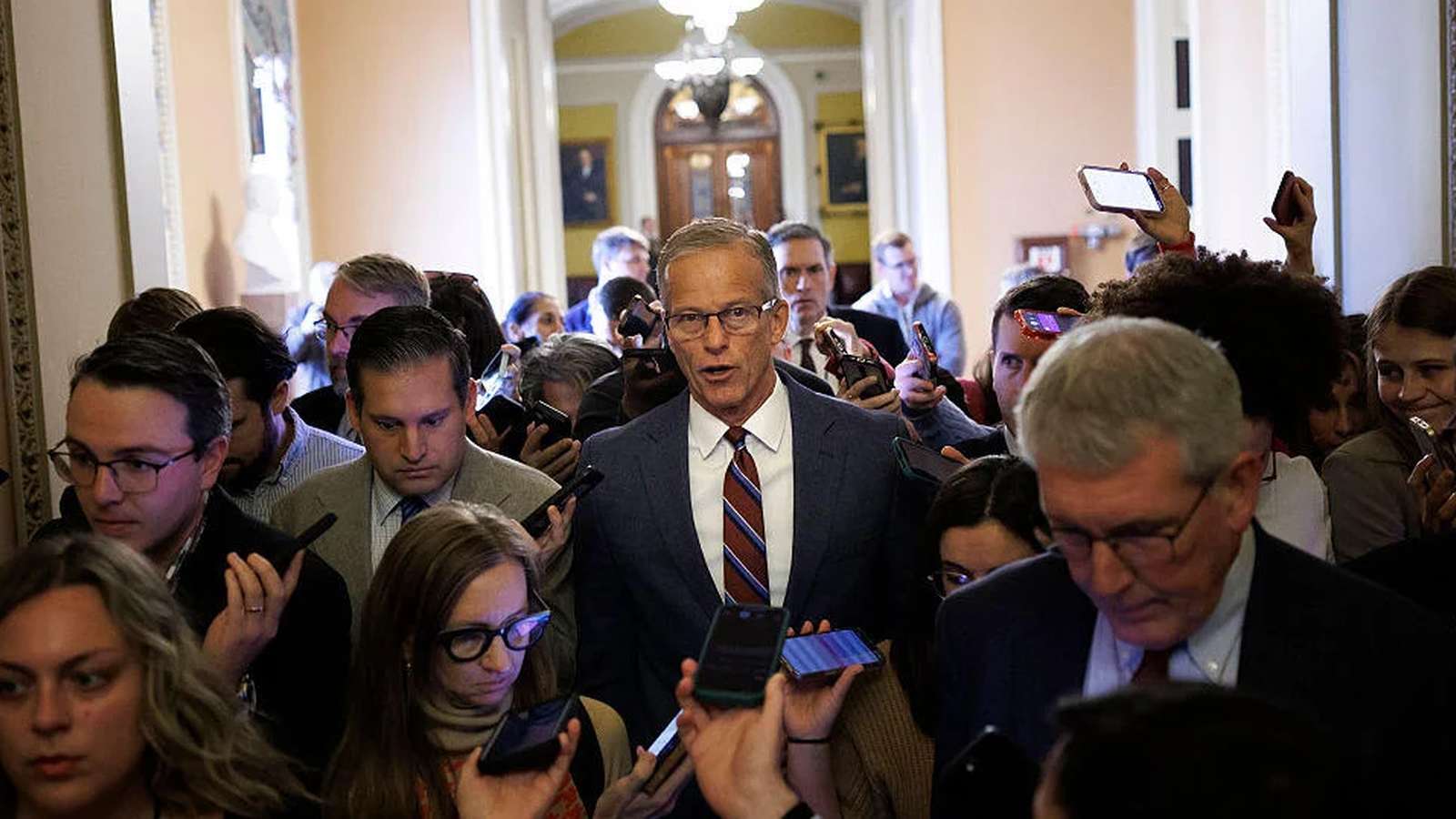
Senate Majority Leader John Thune, a Republican, acknowledged the bipartisan effort and the risks the eight Democrats took: “I’ve been in that position before, and sometimes you just have to do the right thing, which I think they did.” Thune said the immediate goal was to get the government open, but added, “There are Democrats and Republicans who are both interested in trying to do something in the health care space, and clearly, there is a need.”
Meanwhile, in the House, Speaker Mike Johnson urged members to return to Washington as quickly as possible for a vote, signaling that the government could reopen within days if the bill passes. President Trump is expected to sign the package once it reaches his desk.
The Larger Picture: Compromise, Principle, and Political Fallout
For the eight Democrats, the choice to vote with Republicans was fraught with political risk. Some see it as pragmatic leadership, prioritizing the needs of the nation over party unity. Others view it as a capitulation that undermines core Democratic priorities, especially on health care. The split exposes deeper divisions within the party—between moderates concerned with governance and progressives demanding more ambitious reforms.
As the dust settles, attention will turn to whether the promised vote on health insurance tax credits materializes, and whether any substantive reforms can be achieved before the next funding deadline in January. The episode serves as a vivid reminder that, in Washington, the lines between compromise and principle are often blurred, and the consequences of each decision ripple far beyond Capitol Hill.
The eight Senate Democrats who voted to end the shutdown made a difficult, highly visible choice—balancing the urgent needs of federal workers and vulnerable Americans against the risk of diluting their party’s leverage. Their actions reopened government doors, but also opened a new chapter in Democratic debate over strategy, priorities, and leadership. The road ahead promises more tough decisions—and no easy answers.