


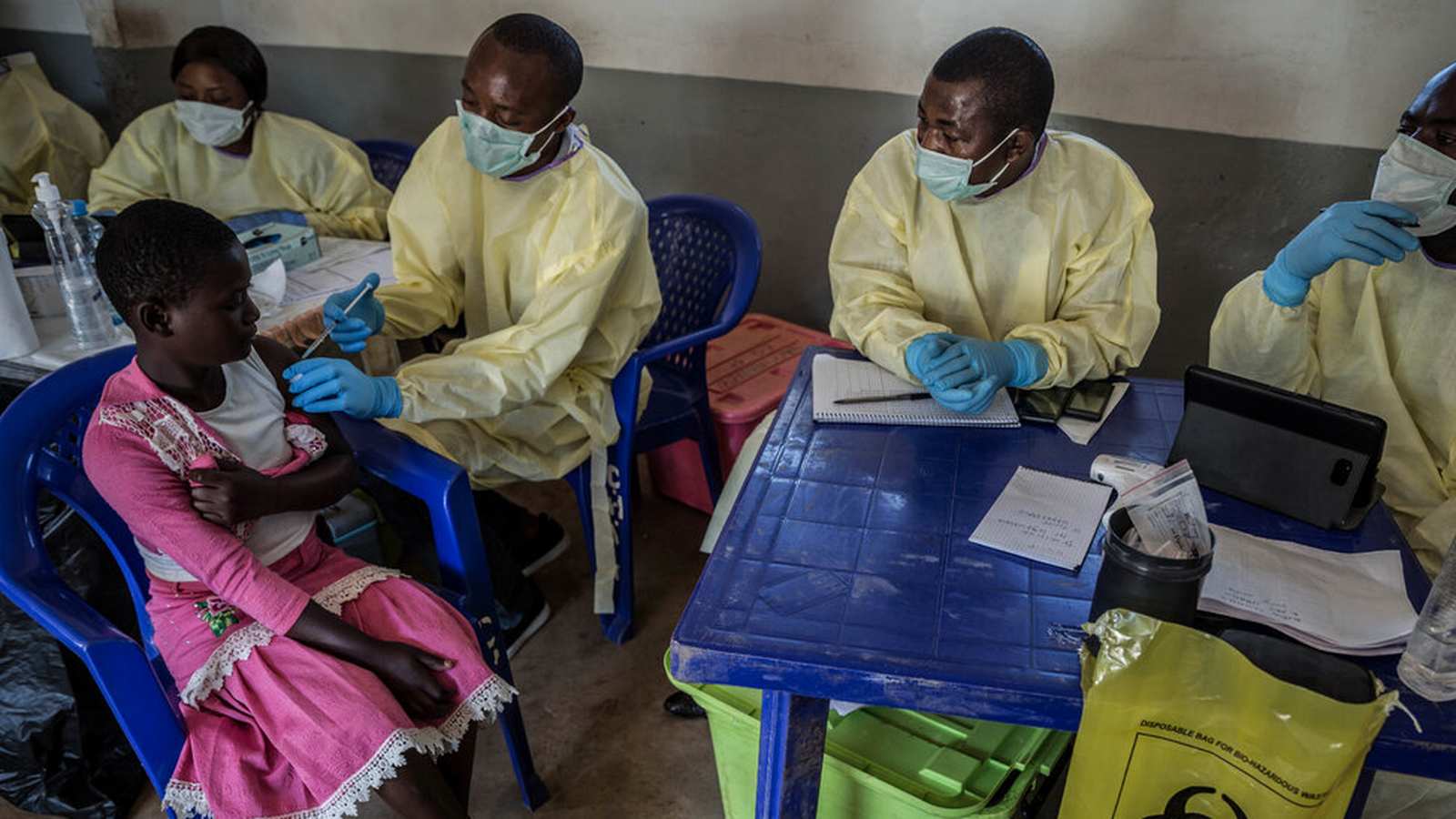
Outbreak Situation in the DRC
The World Health Organization (WHO) has reported a rapid increase in cases of the Bundibugyo virus disease (BVD) in the Democratic Republic of the Congo (DRC). As of July 1, 2026, health authorities have confirmed 1,460 cases and 452 deaths, resulting in a crude case fatality ratio of 30.9%. The outbreak has now impacted 36 health zones, with Ituri Province remaining the epicenter, accounting for over 91% of all confirmed cases.
The surge in reported numbers is attributed to both the expansion of the virus into new health zones and enhanced surveillance and testing capacities. In the past 21 days alone, 838 confirmed cases and 314 deaths have been documented. The situation is further complicated by the ongoing humanitarian crisis in the region, where conflict and population displacement hinder access to clean water, food, and basic healthcare.
Regional Impact and International Response
While the DRC remains the primary focus, the virus has crossed borders. Uganda has reported 20 confirmed cases, though no new community transmission has been documented since June 21. Additionally, French authorities notified the WHO of a case involving a medical doctor who returned from the DRC, highlighting the global mobility of the pathogen. The patient is currently in a high-containment facility.
The WHO has classified the risk in the DRC as “very high” due to the sustained expansion of the outbreak. In response, the organization is working with local leaders and international partners to bridge critical funding gaps, improve contact tracing, and support healthcare workers, 102 of whom have been infected during this outbreak.
Clinical and Preventive Measures
Bundibugyo virus is a zoonotic disease, with fruit bats suspected as the natural reservoir. Transmission occurs through direct contact with infected bodily fluids. Because early symptoms—such as fever, muscle pain, and headache—are non-specific, clinical diagnosis remains difficult without laboratory testing. The WHO continues to advise against travel or trade restrictions, emphasizing that coordinated, community-led response efforts are the most effective strategy to contain the virus.