


A Tournament Divided by Economics
The inaugural 2026 Nations Championship, heralded as a landmark moment for global rugby, has launched under the shadow of a significant financial controversy. While the 12-team tournament unites the Northern and Southern Hemispheres under a single, biennial structure, disclosures regarding player remuneration have revealed a massive chasm between participating unions, raising questions about the viability of the tournament’s ‘shared enterprise’ model.
According to reports, the financial gap is most visible in match fees and daily allowances. French players, for instance, are set to earn upwards of €30,000 per Test match, while Fijian players receive approximately £320 (FJD 800) for the same commitment. This 100-to-one ratio persists despite both teams competing in the same tournament, adhering to the same broadcast obligations, and contributing to the same commercial product.
The Anatomy of Disparity
The pay structure varies wildly across the participating nations. In the Northern Hemisphere, unions like the French Rugby Federation (FFR) lead the market, while England maintains a two-tier system with senior contracts reaching up to £200,000 annually. Conversely, Southern Hemisphere unions—including the Springboks, All Blacks, and Wallabies—operate with significantly lower match fees, often relying on separate central contracts to supplement income. For smaller nations like Fiji, however, these match fees represent a substantial portion of their total earnings, leaving them at a distinct economic disadvantage.
Beyond match fees, the disparity in daily camp allowances highlights the daily reality for squad players. A French squad member earns roughly €500 per day, compared to just £12 for a Fijian player. This data, largely sourced from player association disclosures rather than official union reporting, underscores a lack of transparency that critics argue is incompatible with a modern, integrated global league.
Stakes for the Future
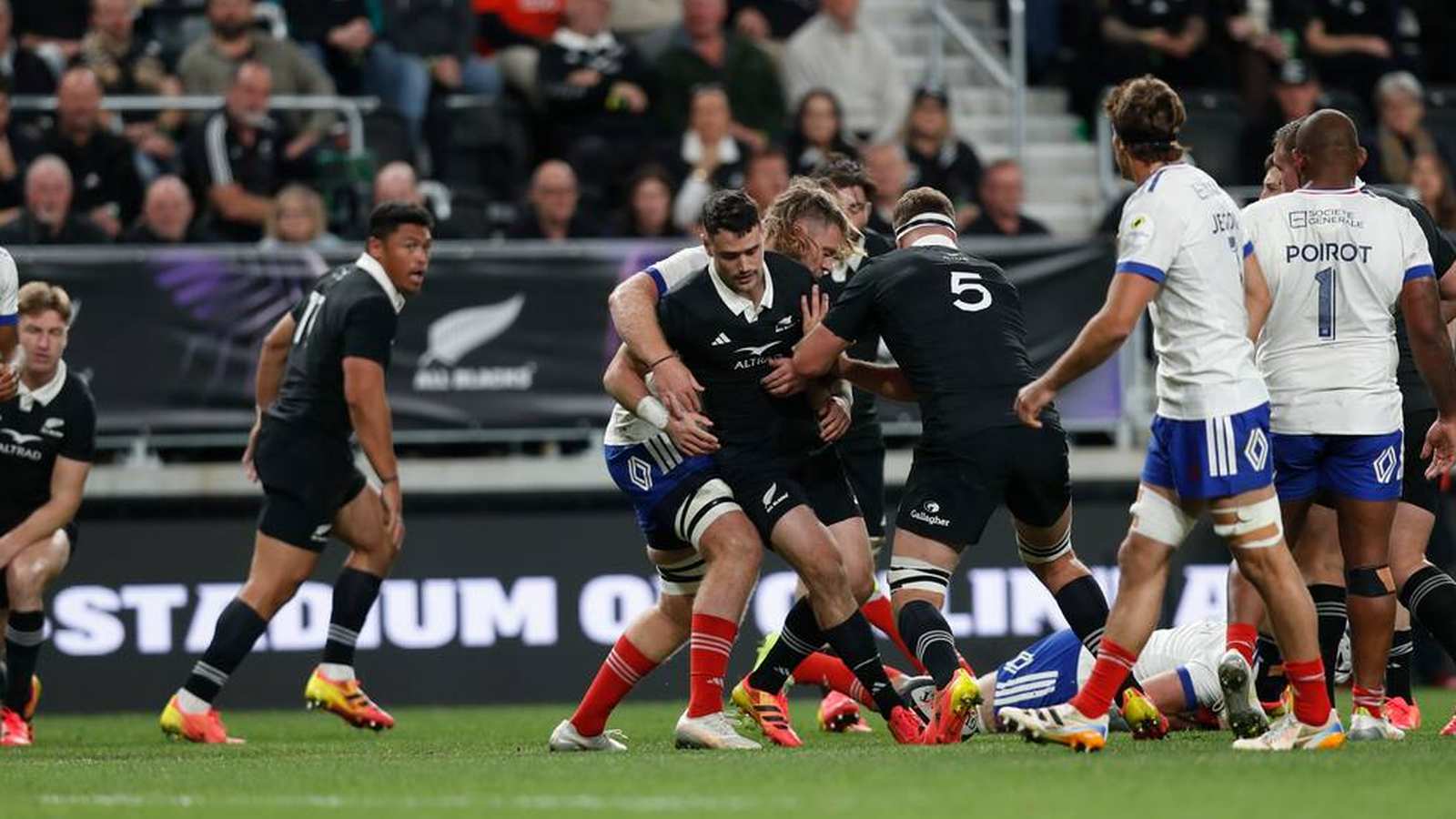
The Nations Championship was sold as a way to redistribute commercial gravity and provide smaller unions with a more sustainable path forward. However, the current model suggests that the tournament remains, in practice, a Northern-dominated economic structure. As the tournament continues its July cycle, with fixtures like New Zealand vs. France and Australia vs. Ireland drawing global attention, the focus is shifting from the pitch to the boardroom.
The effectiveness of the new biennial format will ultimately be judged not just by attendance or broadcast reach, but by whether the promised ‘shared enterprise’ can provide equitable compensation for the athletes who drive the product. Without a move toward greater transparency and a more balanced distribution of revenues, the Nations Championship risks being viewed as a competition where the ‘guests’ are playing for little more than travel expenses, undermining the very unity it was designed to foster.