


Phillies’ Outfield Shake-Up: Harrison Bader Departs, Justin Crawford Arrives
It’s official: the Philadelphia Phillies are heading into the 2026 season without Harrison Bader patrolling center field. The move, confirmed by president of baseball operations Dave Dombrowski, marks a significant shift in the club’s approach to its outfield—one that’s sparked both intrigue and concern among fans and analysts alike (Inquirer, AllPHLY).
Last summer, Bader was arguably the Phillies’ most impactful trade deadline acquisition, bringing defensive stability and a timely spark to the lineup. In fact, his contributions helped the team maintain its playoff streak, despite an outfield that otherwise ranked just 19th in OPS among all MLB teams. Now, after a productive season—his first with more than 500 plate appearances—Bader is reportedly seeking a three-year contract worth $10–15 million annually as he enters his age-31 season (Inquirer).
That price, coupled with his history of injuries, was apparently too steep for the Phillies. Instead, the organization is putting its chips on youth, handing the center field job to 22-year-old prospect Justin Crawford. It’s a bold gamble, and one that’s raised questions about whether the team is truly “pretty well set” for the challenges of 2026.
Justin Crawford: High Ceiling, High Risk
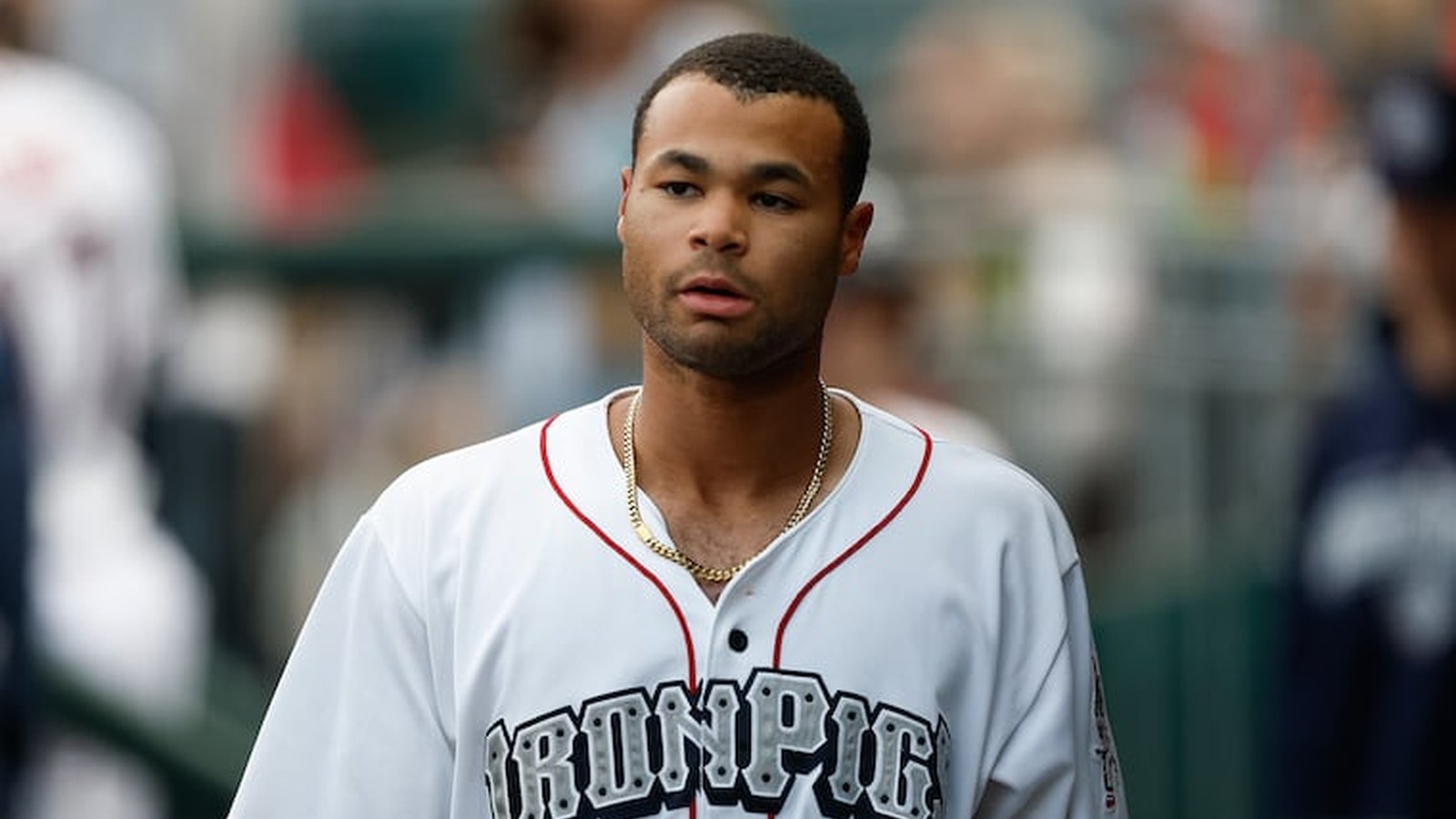
“If you’re going to give Crawford an opportunity, you’ve got to give it to him,” Dombrowski said, signaling that spring training will be Crawford’s to lose (Inquirer). The young outfielder’s minor league numbers are undeniably impressive—a .334 batting average and .411 on-base percentage last season in triple-A Lehigh Valley, and an .831 OPS over nearly 1,500 minor league plate appearances. Yet, there’s a lingering skepticism among scouts and analysts about whether his ground-ball heavy approach can translate to major league success.
Crawford’s promotion is historic, too: if he wins the job, he’ll become the youngest Phillies opening-day position player since Scott Rolen in 1997 (AllPHLY). His speed and defensive skills could make him an asset in center, and if his bat plays, he’ll provide the Phillies with something they desperately need—a cost-controlled, high-upside contributor for the next six years. For a club built around expensive veterans, that’s no small thing.
But it’s not all optimism. The Phillies’ outfield has been a weak link, and moving on from a proven major leaguer like Bader for an untested prospect is fraught with risk. As one observer put it, “The big risk the Phillies are taking is in moving on from Bader” (Inquirer).
Depth and Experience: Who Will Step Up?
With Crawford penciled in for center, the rest of the outfield features a Brandon Marsh-led platoon in left and Adolis García in right. García, acquired on a one-year deal, brings power, solid defense, and speed—an upgrade over Nick Castellanos, but still something of a wild card as he enters his age-31 season (That Ball’s Outta Here). Marsh is a serviceable platoon option, but the depth chart behind him is thin: Otto Kemp, Johan Rojas, and Gabriel Rincones Jr. will compete for backup roles, while utilityman Weston Wilson’s future remains uncertain.
There’s talk of adding a veteran reserve outfielder, with free agents like Jesse Winker or Rob Refsnyder on the radar. Refsnyder, in particular, could provide a right-handed bat off the bench and has a track record of hitting lefties well, which would balance the lineup. The need for depth is clear—especially with the specter of injuries or underperformance looming over such a young and unproven group.
Some fans recall the Phillies’ approach to the bullpen and catching positions as equally precarious. Will the team re-sign veteran catcher J.T. Realmuto, who’s entering his mid-30s and facing declining numbers? Will they bolster the bullpen with a proven setup man like Pete Fairbanks, or rely on internal options such as José Alvarado, Matt Strahm, and Orion Kerkering? These questions add further uncertainty to the club’s roster construction.
Financial Calculus and Organizational Philosophy
The Phillies’ decision to let Bader walk is as much about financial strategy as it is about baseball. Committing $30–45 million to a 31-year-old outfielder with injury concerns doesn’t fit the club’s current priorities. By shifting to younger, cheaper talent, they free up resources for pitching, catching, and potential midseason acquisitions. It’s a model that’s worked for other organizations—think the Dodgers or even the low-budget Union in Major League Soccer, who consistently field competitive teams by being ruthless in roster decisions (AllPHLY).
But such an approach comes with risks, especially in the postseason, where experience and depth often trump upside and promise. The Phillies have improved their regular-season win total in each of Dombrowski’s five seasons at the helm, but playoff success has proven more elusive.
What Does Success Look Like in 2026?
Ultimately, the Phillies’ outfield experiment will be judged by results on the field. If Crawford emerges as a dynamic center fielder, Marsh and García provide reliable production, and the bench depth holds up, Philadelphia could have a formidable lineup. If not, the club may find itself scrambling for answers come July—forced to revisit the trade market or dip into free agency for reinforcements.
There’s a sense among fans and analysts that the team is walking a tightrope, balancing hope and risk, youth and experience. The Phillies are betting that the next wave of talent—led by Crawford—can deliver where veterans like Bader once did. Only time will tell if that gamble pays off.
Assessment: The Phillies’ decision to move on from Harrison Bader reflects a calculated risk rooted in financial prudence and faith in youth development. While Justin Crawford’s upside is undeniable, the lack of proven depth and the volatility of young players leave the outfield vulnerable to setbacks. If the gamble succeeds, Philadelphia will have set the stage for sustained success with a cost-controlled core. If it fails, the club’s reluctance to retain a steady veteran presence like Bader may haunt them in a competitive NL East. For now, the story is one of hope—tempered by the reality that the margin for error is slim.