


A Legacy of Sonic Innovation
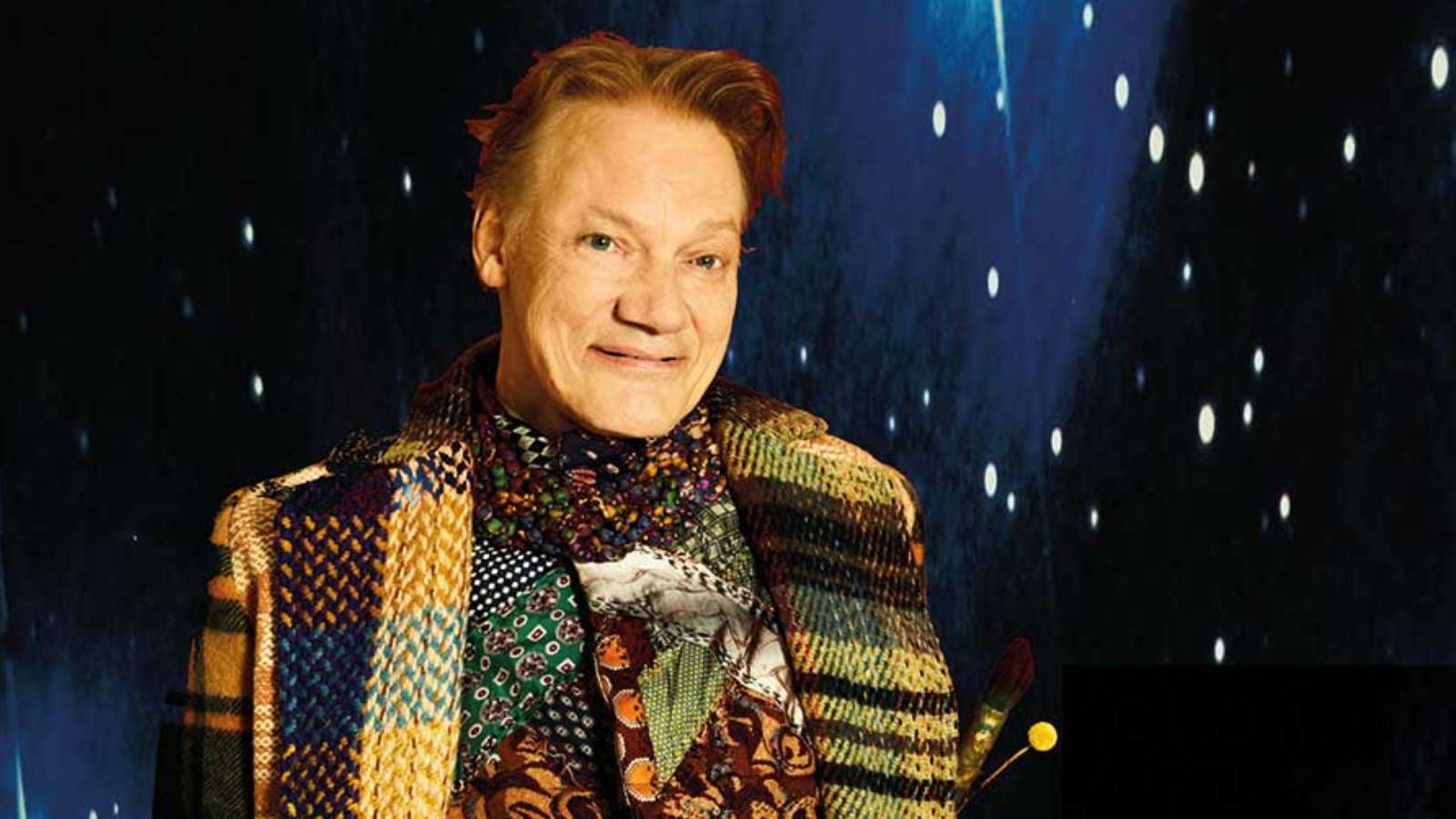
William Orbit, the influential British musician, producer, and remixer whose groundbreaking production work reshaped the sound of late 1990s and early 2000s pop, has died at the age of 69. His family and friends announced on August 7, 2026, that Orbit, born William Mark Wainwright, passed away at his home on July 23, 2026. No cause of death was disclosed in the official statement, which requested privacy for his family and loved ones.
Orbit’s career was defined by a unique ability to bridge the gap between experimental electronic music and mainstream pop success. He is perhaps best remembered for his pivotal role in crafting Madonna’s 1998 masterpiece Ray of Light. The album, which seamlessly blended trip-hop, jungle, and ambient techno with traditional pop structures, earned Madonna three Grammy Awards and is widely regarded as a watershed moment in her discography. Madonna herself famously described him as a “madman genius” during their collaborative sessions in New York and Los Angeles.
Defining the Sound of an Era
Before his global breakthrough with Madonna, Orbit had already established a reputation as a visionary in the UK electronic scene. Born in 1956 in London, he began his career in the early 1980s, forming the trio Torch Song and eventually launching Guerilla Records in 1990. His studio, Guerilla Studios, became a hub for diverse artists ranging from Cocteau Twins to Sting.
His influence extended well beyond his work with Madonna. In 1999, he produced Blur’s critically acclaimed album 13. Frontman Damon Albarn later credited Orbit’s presence during the sessions—which dealt with the emotional fallout of Albarn’s breakup—as that of a “psychiatrist,” helping the band navigate a period of significant creative transition. The album yielded hits like “Tender” and “Coffee and TV,” cementing Orbit’s reputation for extracting raw, emotive performances from artists.
Throughout the 2000s, Orbit continued to shape the charts, producing hits for All Saints, including the chart-topping “Pure Shores” and “Black Coffee.” He also collaborated with artists such as Pink, U2, and Katie Melua, while continuing to release his own solo work, including the Grammy-nominated classical-crossover project Pieces in a Modern Style.
A Lasting Impact
Music industry figures have begun paying tribute to the late producer. Merck Mercuriadis, a prominent music executive, hailed him as “arguably the most important producer of the 90s and noughties,” noting that his influence on modern production techniques will be felt for generations. His peers, including Melanie C and Skin of Skunk Anansie, have credited Orbit with not only defining their own artistic trajectories but also pioneering the integration of electronic textures into the fabric of popular music.
Despite his massive success, Orbit remained a candid figure, often speaking openly about his earlier struggles with substance use and his “post-hippie” roots in London. He continued to release music until his final years, with his most recent solo album, The Painter, released in 2022. As the industry reflects on his passing, Orbit’s legacy remains anchored in his refusal to adhere to conventional pop formulas, choosing instead to push the boundaries of what electronic production could achieve in a commercial context.