


A Disputed Ceasefire and Continued Strikes
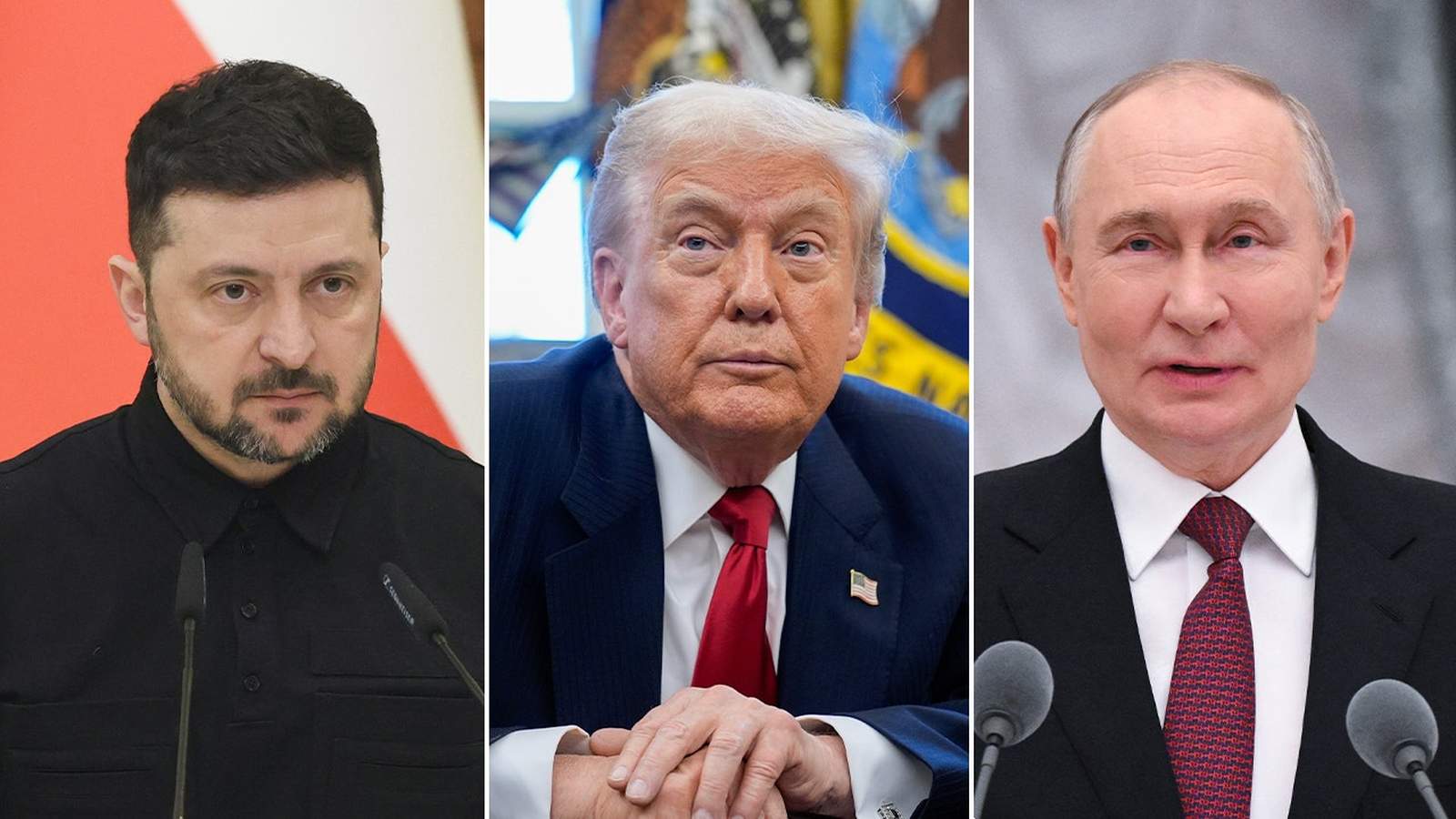
Ukrainian President Volodymyr Zelenskyy has accused Russian leader Vladimir Putin of ignoring a proposed ‘energy ceasefire’ brokered by U.S. President Donald Trump. In a live interview with Fox News on Monday, Zelenskyy stated that while Kyiv had honored the pause by refraining from strikes on Russian energy assets, Moscow responded with renewed bombardments on Ukrainian power and gas facilities. The accusations follow a weekend of confusion regarding the status of the agreement, which President Trump announced on Truth Social on Sunday.
Despite the announcement, Moscow has not officially confirmed its participation in the deal. Zelenskyy noted that the Russian response on the ground appeared to be a direct rejection of Washington’s initiative. Reports from the Kharkiv region indicate that power plants and residential areas remained targets in the hours following the declaration. According to Ukraine’s charge d’affaires in Washington, Denys Sienik, Russian forces executed more than 200 strikes on electricity generation and transmission facilities over the past week. Civilians in Kharkiv, including a teenager and two women, were reportedly killed during these strikes, highlighting the gap between diplomatic claims and the ongoing reality of the conflict.
Stakes and Strategic Disagreements
The attempted ceasefire has exposed deep strategic fissures between Kyiv and Washington. President Trump has repeatedly pressured Ukraine to halt its long-range strikes on Russia’s oil-refining network, arguing that these actions contribute to higher global fuel prices. Zelenskyy, however, maintains that the refinery strikes are a necessary response to the systematic destruction of Ukraine’s energy grid. He rejected the suggestion that his forces are responsible for global diesel price fluctuations, pointing instead to potential bottlenecks in the Strait of Hormuz as the primary driver for market instability.
The diplomatic friction is compounded by a new arrangement in which President Trump announced an agreement with Russia to release diesel supplies to global markets. Critics, including Carrie Filipetti of the Vandenberg Coalition, have warned that this deal could provide Moscow with critical revenue to finance its military operations, potentially undermining U.S. sanctions and leverage. Conversely, supporters of the administration’s approach, such as former official Morgan Murphy, argue that the focus must remain on forced negotiations to prevent further attrition, stating that the current path of endless conflict serves only to deepen the human toll on both sides.
The Question of Domestic Governance
Beyond the energy ceasefire, tensions have emerged regarding President Trump’s call for new presidential elections in Ukraine. Zelenskyy expressed willingness to hold a vote but underscored that security remains an insurmountable obstacle. He noted that organizing elections would require at least 60 days of relative stability to protect critical infrastructure and ensure voter safety. Under the current conditions of near-constant ballistic and drone attacks, Zelenskyy argued that conducting a democratic process is not merely a legal challenge, but a physical impossibility. Russian Foreign Minister Sergey Lavrov has dismissed the prospect of a pause for elections, suggesting that such a window would only be used by European nations to replenish Ukraine’s military stockpiles.
As the situation remains fluid, the discrepancy between the White House’s public claims of a ceasefire and the continued kinetic reality of Russian strikes presents a significant test for U.S. influence in the region. Zelenskyy’s message to the White House remains clear: Kyiv is prepared to honor a mutual cessation of energy attacks, but will continue to prioritize its own defense if Moscow maintains its current bombardment strategy.