


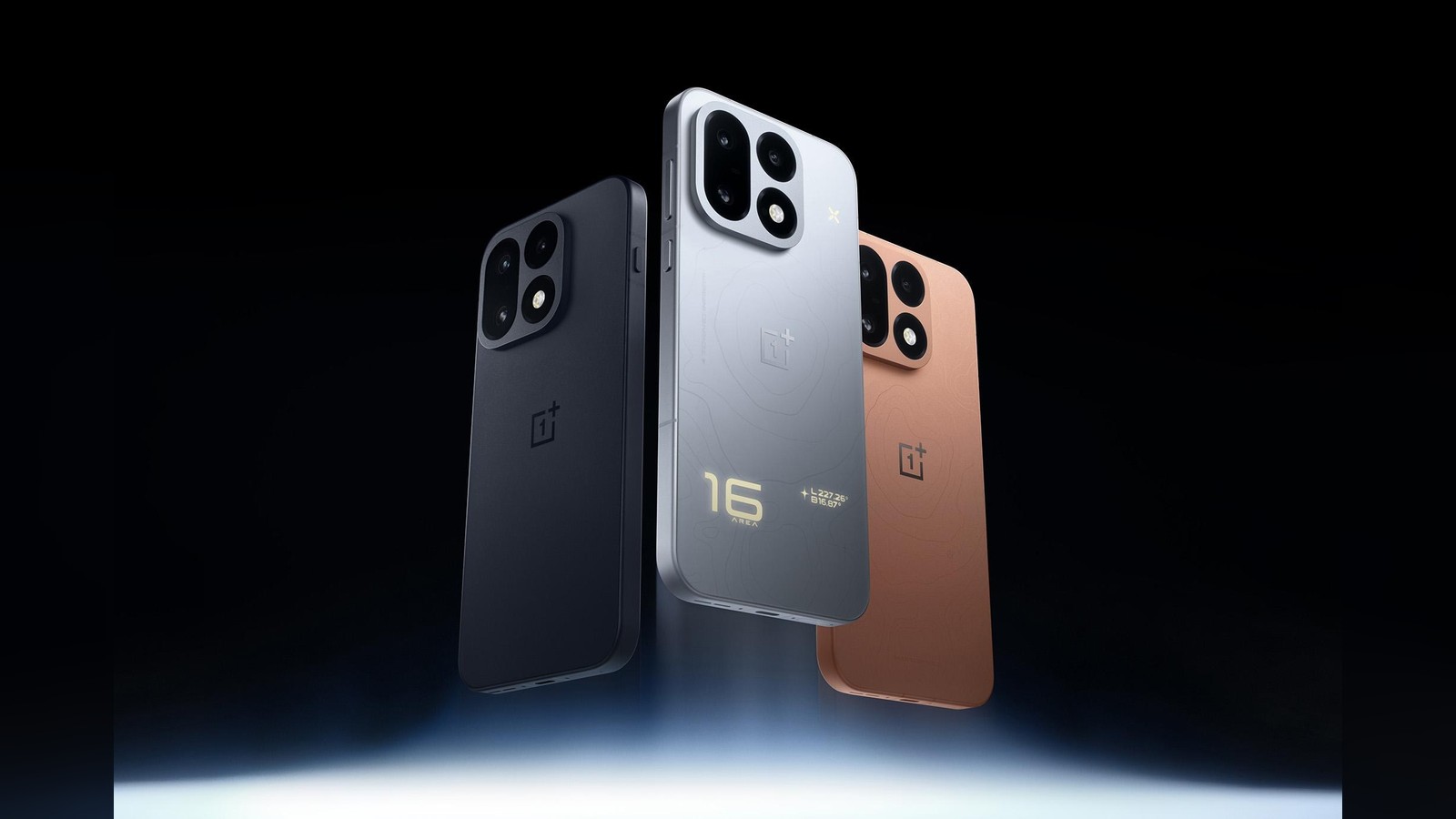
Flagship Launch and Strategic Market Realities
OnePlus has officially launched its new flagship device, the OnePlus 16, in China, bringing forward a set of hardware specifications that mark a significant technological leap for the brand. According to reporting by The Verge, the device represents the company’s first major flagship release since its corporate decision to exit both the United States and European markets earlier this summer. While the hardware pushes boundaries in battery capacity and screen refresh rates, the regional restriction means that Western consumers are entirely locked out of official local availability, leaving enthusiasts dependent on importing options or accepting that next-generation innovations will remain confined to Asian markets.
The strategic exit from Western markets, finalized alongside parent brand Oppo, fundamentally alters how hardware developments from the manufacturer reach global consumers. As detailed by Phandroid, current owners of older models in the West will continue to receive software updates and warranty support while existing stock lasts, but the company will not restock legacy inventory or introduce new hardware categories such as tablets or wearables to these regions. Consequently, the release of the OnePlus 16 underscores a widening gap between regional product availability and cutting-edge mobile engineering.
Hardware Breakthroughs: Battery and Power Management
The most striking engineering achievement of the OnePlus 16 is its massive 9,000mAh silicon-carbon battery, which The Verge notes is one of the largest power capacities ever integrated into an Android flagship device. To replenish this expansive power source, the phone supports 100W wired charging alongside 50W wireless capabilities. According to Phandroid, wired charging can restore the battery to 80% capacity in approximately 37 minutes, while manufacturer claims suggest the battery will maintain its health for at least five years. However, industry observers have noted that testing standards for battery longevity have evolved across various brands, warranting careful scrutiny of long-term degradation metrics.
Under the hood, performance is driven by Qualcomm’s newly introduced Snapdragon 8 Elite Extreme Gen 6 chipset, paired with up to 16GB of RAM and 1TB of onboard storage. To manage the thermal output generated by high-performance tasks and gaming, the device incorporates a newly designed cooling system that is reportedly 40% more efficient at preventing overheating compared to previous iterations.
Display Innovation and Visual Performance
On the visual front, the OnePlus 16 introduces an advanced OLED panel featuring a 185Hz refresh rate. This upgrade surpasses the standard 120Hz refresh rates common across contemporary flagship devices. The Verge reports that this high refresh rate is optimized for 185fps gaming in supported titles while also extending system-wide user interface navigation at up to 165Hz—a capability that previous generations, including the OnePlus 15, restricted to specific applications rather than general system UI navigation.
Design refinements accompany these technical features, including a distinct silver finish option that integrates LED notification lighting on the rear panel. These lights feature fixed geometric shapes that pulse in varying rhythms to alert users to incoming calls, messages, and battery status updates, complemented by decorative graphic elements embedded in the chassis.
Camera Upgrades and Pricing Structure
Camera capabilities have also received substantial revisions to address historical performance limitations noted in earlier iterations. The primary rear camera utilizes a 200-megapixel sensor with a 1/1.4-inch-type size and a fast f/1.4 aperture, designed to improve low-light photography compared to the OnePlus 15. This main sensor is supported by a 50-megapixel ultrawide camera and a 50-megapixel telephoto lens offering 3x optical zoom, with the telephoto module featuring an expanded 1/1.95-inch sensor.
In terms of pricing and availability, the OnePlus 16 is currently available exclusively in the Chinese domestic market. Pricing starts at ¥5,699 (approximately $850) according to The Verge, or roughly $896 as cited by Phandroid depending on exchange rate fluctuations and specific memory configurations. Consumers in North America and Europe seeking to acquire the device must navigate the complexities of international importing, verifying cellular band compatibility and software adaptation independently.