


A New Commercial Benchmark for Serie A
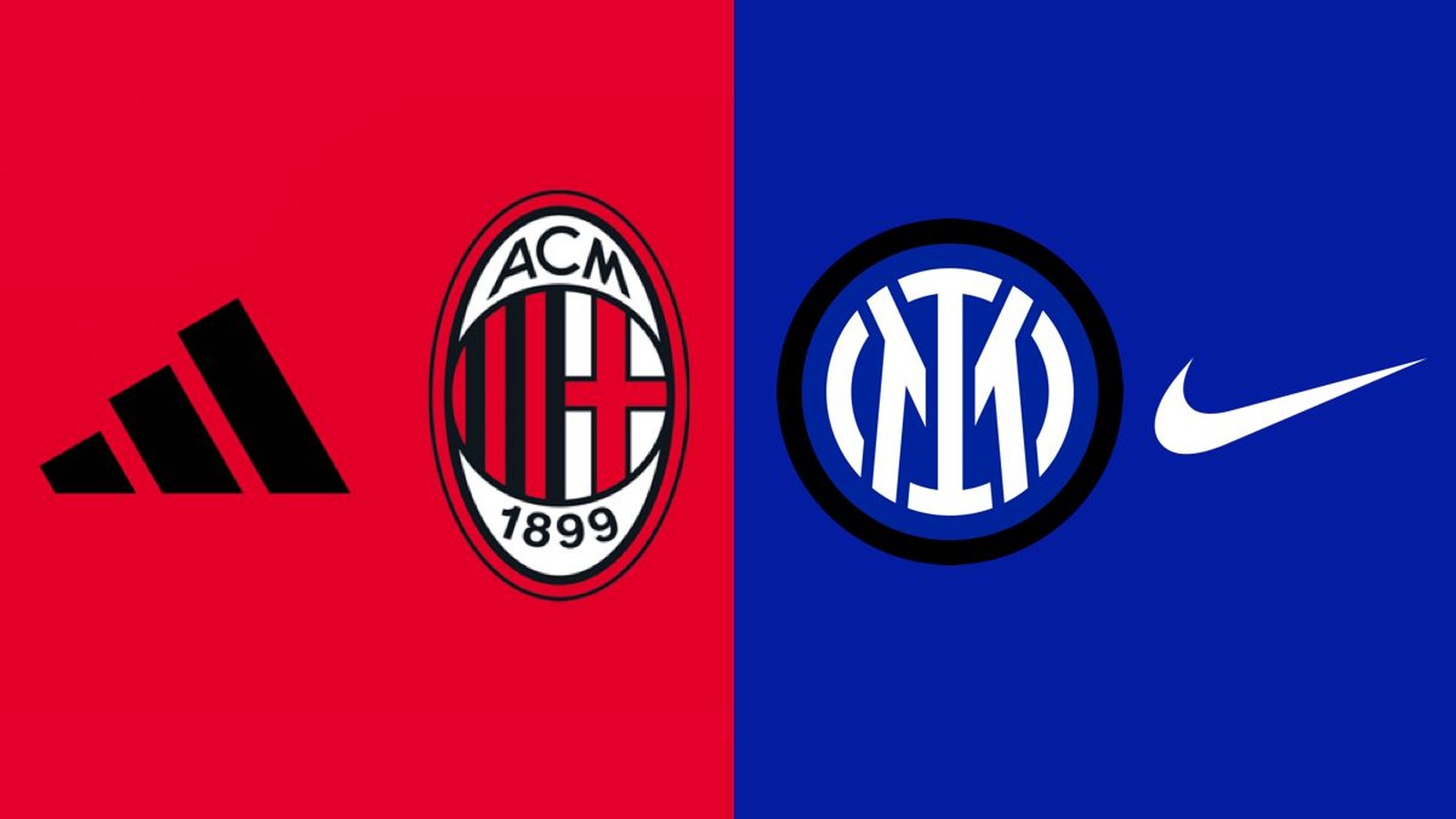
AC Milan has officially set a new financial standard for Italian football, securing a landmark 10-year partnership with Adidas beginning in the 2028-29 season. As reported by SempreMilan, citing information originally detailed by La Gazzetta dello Sport on Wednesday, November 5, 2026, the deal is valued at approximately €500 million over the decade. This agreement represents a transformative shift in the club’s commercial trajectory, effectively doubling the annual revenue compared to the current arrangement with PUMA, which provides roughly €24.5 million per year.
The structure of this €50 million annual commitment is expected to be multifaceted, encompassing base fees, performance-related sporting bonuses—such as qualification for the UEFA Champions League—the provision of material supplies, and a dedicated marketing fund. This comprehensive approach aligns with modern football business models where kit manufacturing deals are increasingly integrated into broader brand-building and global merchandising strategies.
The Commercial Disparity and Inter’s Response
The news of Milan’s future-proofing strategy has sent ripples through the city’s football hierarchy, specifically within the offices of rivals Inter Milan. Currently, Inter operates under a long-term agreement with Nike that extends through 2031, yielding an annual base of approximately €28 million. For the Nerazzurri leadership, this figure is increasingly viewed as an outlier, especially when contrasted with the new Milan-Adidas terms and the existing €46 million annual deal Juventus maintains with Adidas.
Inter’s management, as noted by MySportsTab, is now actively seeking to renegotiate their Nike contract. Despite a 70% increase in value during their last renewal, the club believes that their current commercial valuation—supported by strong internal merchandising and business models like their collaboration with Fanatics—warrants a more competitive alignment with the top tier of Italian football. By attempting to open these discussions now, Inter aims to avoid a five-year window of financial stagnation relative to their primary domestic rivals.
Strategic Stakes in the Kit Manufacturing Market
The landscape of Serie A kit manufacturing is currently defined by a clear hierarchy. Juventus, long the trendsetter in securing high-value technical sponsorships, remains a benchmark with their current Adidas deal. However, Milan’s commitment to a decade-long partnership signals a move toward long-term revenue stability that provides the club with significant capital for future investment. For Inter, the challenge is structural: they are the only one of Italy’s “big three” currently lacking a pending renewal or a new long-term deal, giving them a unique, albeit challenging, position to leverage their brand equity.
The shift is not merely about the base fee from the manufacturer. As seen in recent years, clubs are increasingly focused on the total value of licensing, e-commerce, and direct-to-consumer sales. Inter’s success in generating over €35 million in merchandising revenue during the 2025-26 season serves as their primary bargaining chip. They argue that their internal business model, combined with their on-pitch performance, makes them a premium partner that is currently undervalued by the existing Nike terms. The coming months will likely see intensive negotiations as Inter seeks to bridge this commercial gap before the market for top-tier sponsorships becomes even more saturated.
Ultimately, this “commercial derby” highlights the intense pressure on Italian clubs to monetize their global reach. While Milan has successfully locked in a lucrative future, Inter’s pursuit of a revised deal reflects the volatile nature of sports apparel partnerships, where the gap between club value and contractual reality can widen rapidly in a highly competitive market.