


A Stand Against Academic Isolation
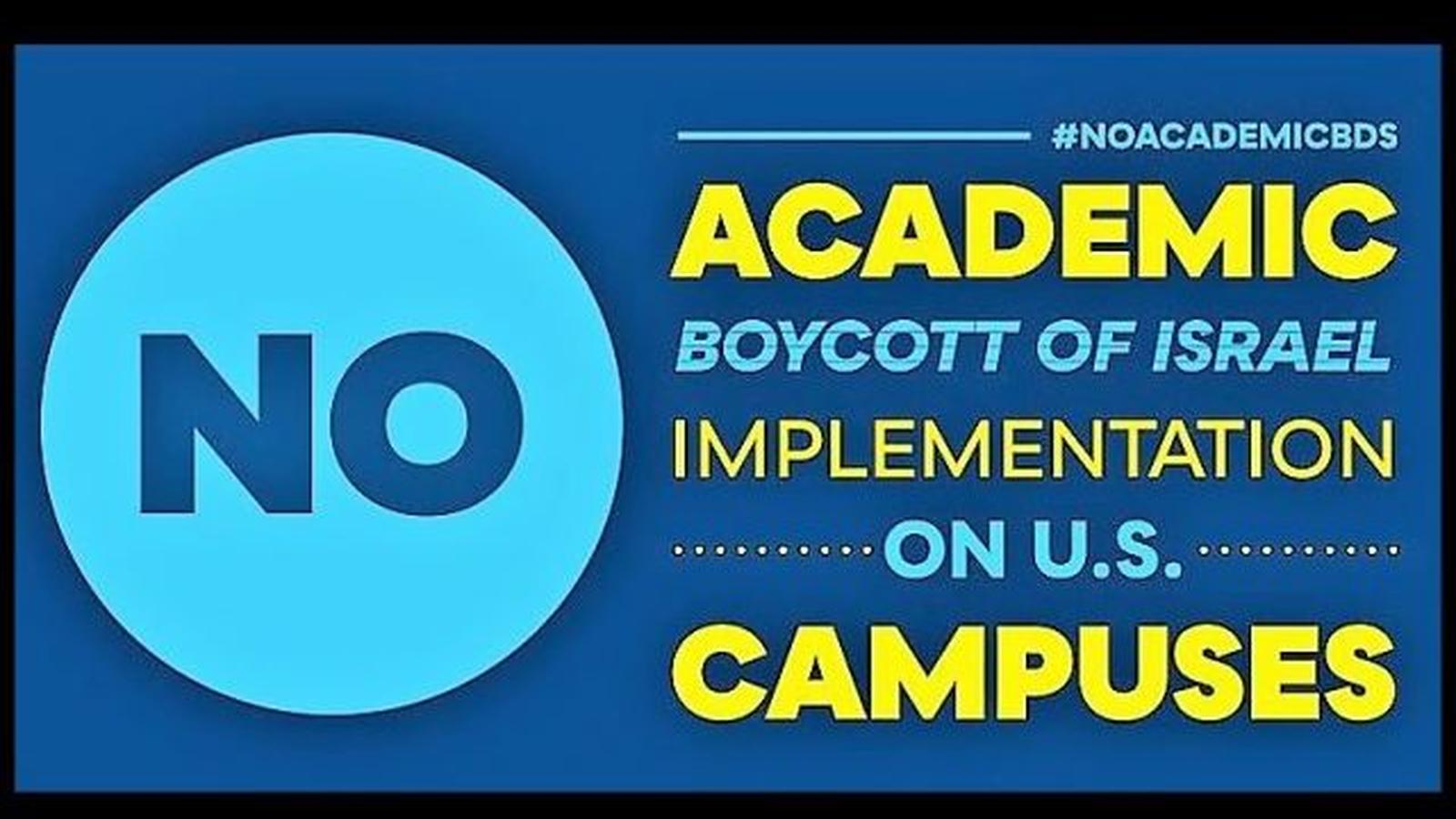
A group of 65 distinguished members from the U.S. National Academies—including 10 Nobel laureates—has launched a coordinated counter-boycott initiative. Led by UCLA Professor Judea Pearl, the movement is a direct response to the rising trend of academic boycotts targeting Israeli researchers and institutions in Europe and North America.
The initiative, formalized through a public declaration, establishes a clear policy for its signatories: any university or research institution that imposes formal or informal restrictions on Israeli academics will face a reciprocal boycott. Signatories have committed to declining all invitations to speak, lecture, or collaborate with institutions that engage in such discriminatory practices.
The Principles of Scientific Exchange
The core of the initiative rests on the assertion that academic boycotts are fundamentally antithetical to the nature of scientific exploration. The statement argues that such actions not only derail the careers of junior scholars but also damage the integrity of the global scientific community. Professor Pearl and his co-founders emphasize that scientific collaboration should remain insulated from political disputes, noting that the “boycott issue is quite separate from whatever views one has regarding Israel’s government and its actions.”
By demanding to be treated in the same manner as their Israeli counterparts, the signatories aim to confront what they describe as a “long and shameful history” of singling out Israel. The movement signals a shift from passive observation to active institutional pushback, challenging the normalization of academic exclusion.
Stakes and Future Impact
The initiative highlights a growing tension within international academia regarding the intersection of political activism and scientific cooperation. As the movement gains traction, it places pressure on university administrations and funding bodies to clarify their stances on academic freedom and institutional neutrality. For the scientific community, the development represents a significant attempt to establish a “red line” against practices that supporters of the initiative view as discriminatory and harmful to the pursuit of knowledge.